
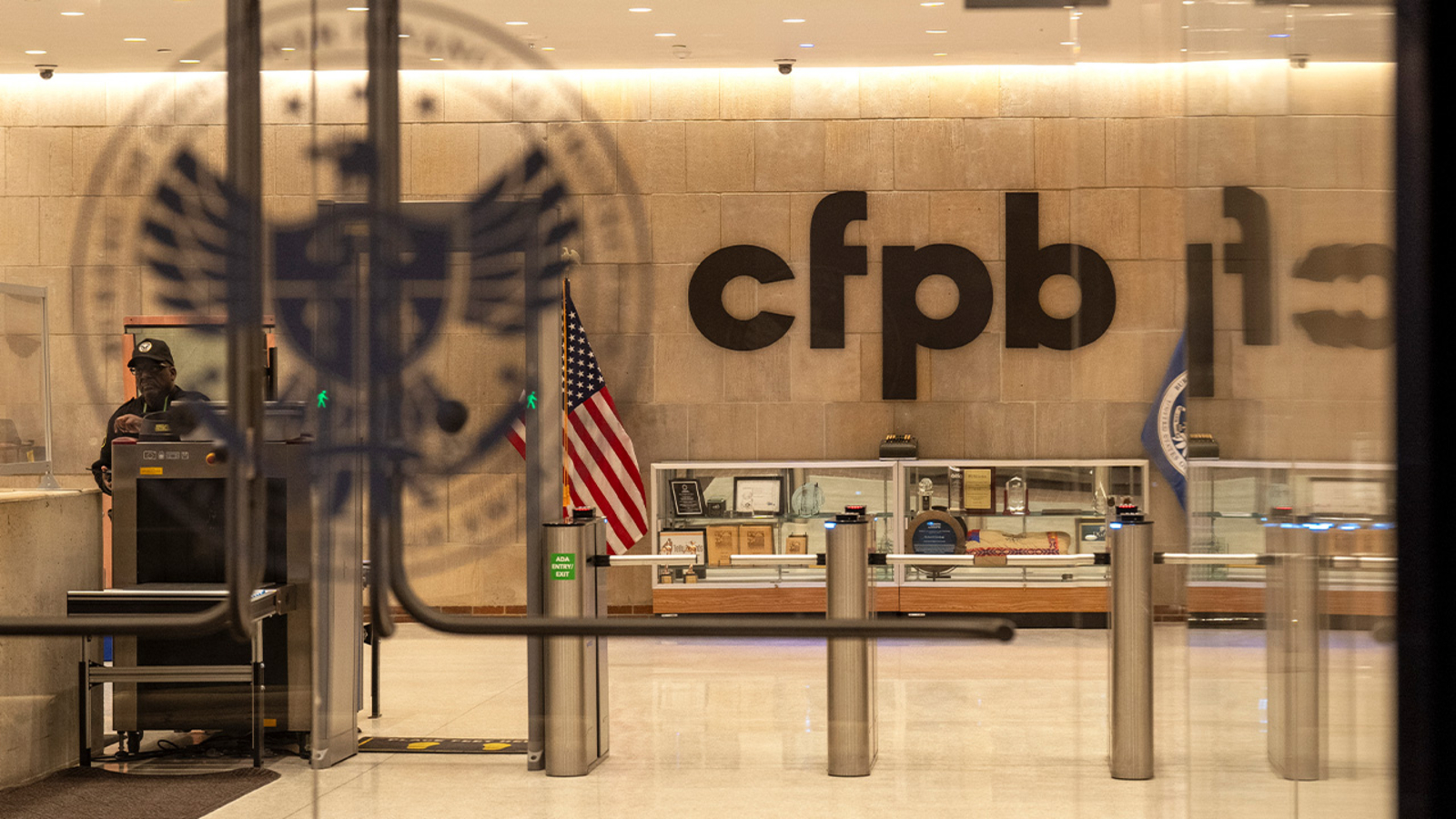
In a sweeping wave of federal worker terminations that has sent shockwaves through government agencies, thousands of probationary employees across the United States have been abruptly dismissed, leaving many without answers about their futures. From the Consumer Financial Protection Bureau (CFPB) to the Department of Education and the Department of Veterans Affairs, these recent hires,many with less than two years of federal service,found themselves locked out of their work systems with little explanation and even less warning.
The terminations, widely linked to Elon Musk’s Department of Government Efficiency (DOGE) initiative, have left terminated employees describing the experience as surreal, devastating, and deeply unfair. For many of these workers, the sudden loss of employment represents not just a career setback, but a personal crisis involving health insurance, financial stability, and a profound sense of betrayal by the institutions they served.
The Human Cost of Probationary Worker Layoffs
Probationary federal employees occupy an especially vulnerable position in the federal workforce. Typically hired within the last one to two years, these workers have fewer legal protections and can be dismissed with relative ease compared to their tenured colleagues. This structural vulnerability has made them the primary targets of the recent federal worker terminations sweeping across multiple agencies.
Hanna Hickman, who served as senior litigation counsel for the Division of Enforcement at the CFPB in Washington, D.C., was one of those terminated. With nearly 15 years of private practice experience before joining the bureau, Hickman described the moment she learned of her firing as nothing short of shocking.
“I was at CVS the other day, and it kind of came on me all at once that I might not have health insurance in a few weeks, and that really hits you,” Hickman shared. “I think it underscores the fact that we’re just regular, middle-class people, just like the people we’re trying to serve.”
A Call Comes Late at Night
Hickman’s termination notice arrived on her phone around 9 p.m. on a Tuesday evening. Even more troubling was the fact that her direct managers had not been informed in advance,they learned of the dismissals at the same moment the employees did, having been copied on the termination emails.
The experience was particularly jarring for Hickman because, just days earlier, CFPB employees had been told not to report to work in person. Her belongings remained inside the bureau, inaccessible. When Elon Musk’s DOGE team descended on the CFPB headquarters on February 7, Musk posted simply on X: “CFPB RIP.”
This surreal sequence of events left Hickman and her colleagues in a state of professional limbo,cut off from work systems while still nominally responsible for ongoing cases.
“We’re Under Attack by Billionaires”
The sentiment that captured the mood of many terminated workers came directly from Hickman herself: “We’re under attack by billionaires.” This statement echoed the frustration felt across the federal workforce as employees watched their agencies dismantled or downsized.
Hickman emphasized that civil servants perform their duties to advocate for ordinary Americans,the very people who cannot simply “call their lawyers” when faced with predatory lending, market manipulation, or unfair financial practices.
“Donald Trump and Elon Musk can just call their lawyers,” Hickman noted. “But regular people don’t just have a lawyer they can call, and these agencies are intended to fill that gap and to keep people safe.”
She characterized her work at the CFPB as a calling, describing the bureau as the “cops on the beat for the financial market”,a critical safeguard against financial market crashes, loan schemes, and exploitative interest rate hikes.
Fighting Back Through Legal Channels
Despite the shock and uncertainty, Hickman and several of her former colleagues vowed to explore every available legal avenue. She framed this response as quintessentially consistent with the ethos of public service.
“Civil servants do this work to fight for regular Americans,” she explained. “That’s what the job is. That’s why it’s intended to be insulated from partisan swings. That’s why it requires expert people skills and experience, and that’s why there are these protections around the jobs.”
Stories from the Front Lines of the Federal Workforce
Hickman’s experience was not unique. Across multiple federal agencies, probationary federal employees received nearly identical termination notices with standardized language that read: “The Agency finds, based on your performance, that you have not demonstrated that your further employment at the Agency would be in the public interest.”
This boilerplate phrasing left workers confused and frustrated, particularly those who had received positive performance feedback throughout their tenure.
Chelsea Wilburn: A Veteran’s Dismissal
Chelsea Wilburn, a disabled veteran, was terminated from the Department of Education on a Wednesday via a memo that she says “didn’t give any specific reasons” for her dismissal.
“I was definitely upset,” Wilburn said. “I’ve only ever gotten positive feedback from my team and leadership, so I was pretty surprised to get that email.”
Her story highlights the broader implications of the federal workforce cuts,even those who dedicated their careers to public service and sacrificed for their country found themselves vulnerable to the sweeping purge.
The Anguish of Anonymous Departures
One former Federal Student Aid probationary hire at the Department of Education described receiving an unexpected call from a supervisor who was audibly crying on the other end of the line. The supervisor informed the employee that they had been terminated.
When the former employee attempted to log into their work computer, they discovered their access had already been revoked. Their attempts to contact HR for clarity on severance packages, health insurance continuation, and end-of-employment dates were met with silence.
“It was heartbreaking,” the former employee said. “I’m still trying to reach out to HR to find out, do I get a severance package? What is my health insurance benefits? When does it end? Nobody knows anything.“
Agencies Impacted by the Mass Layoffs
The wave of government layoffs in 2025 has touched numerous federal departments and bureaus, including:
- Consumer Financial Protection Bureau (CFPB) – Hundreds of workers reportedly affected, with the agency’s future itself in question
- Department of Education – Multiple probationary employees terminated, including veterans
- Department of Veterans Affairs – Staff reductions impacting services for those who served
- Internal Revenue Service (IRS) – Thousands of layoffs planned even amid peak tax season
- Multiple other agencies – Spanning virtually every corner of the federal government
Perhaps most concerning is the timing of the IRS layoffs, which are set to occur during the 2025 tax season,a period when millions of Americans are awaiting refunds and the agency typically operates at peak capacity.
The Broader Implications for American Governance
Beyond the immediate personal toll on terminated workers, the mass federal worker terminations raise fundamental questions about the stability and independence of the American civil service. Hickman articulated this concern clearly, noting that federal jobs are designed with protections specifically to insulate them from political volatility.
The purpose of these protections is to ensure that agencies can pursue their missions,protecting consumers, educating children, serving veterans,without interruption from changing political winds. When probationary workers can be dismissed en masse without clear performance-based justifications, the entire framework of professional, nonpartisan governance comes into question.
Furthermore, the involvement of private billionaires in directing government workforce decisions represents an unprecedented dynamic in American public administration. The imagery of Musk’s team arriving at the CFPB headquarters, followed shortly by mass terminations, has fueled concerns about the influence of unelected wealthy individuals on federal operations.
Looking Ahead: Uncertainty and Resistance
As terminated federal workers grapple with lost income, uncertain health insurance coverage, and unanswered questions about their benefits, many are turning to legal channels and collective organizing. The terminated CFPB employees, in particular, have signaled their intent to fight the dismissals through every available legal avenue.
The coming weeks and months will likely reveal more about the scope and legality of these terminations. Court challenges, congressional inquiries, and public pressure may all play roles in determining whether the federal workforce cuts proceed unchecked or face meaningful pushback.
For workers like Hickman, the fight is deeply personal. She joined the CFPB after 15 years in private practice, drawn by the mission of protecting ordinary Americans from financial harm. That mission,and the institutional infrastructure built to support it,now hangs in the balance.
Conclusion
The recent federal worker terminations represent more than just personnel decisions,they reflect a fundamental reshaping of the relationship between the federal government and its workforce. Thousands of probationary employees, many of whom left private-sector positions to serve the public, have been cast aside with little warning and less explanation. Their stories, from the CVS aisles where health insurance worries hit home, to the locked work computers and unanswered HR calls, paint a portrait of an American civil service under unprecedented strain. As these workers explore their legal options and share their experiences with the public, the broader debate over the future of federal agencies,and the billionaires now shaping their destinies,will only intensify.