
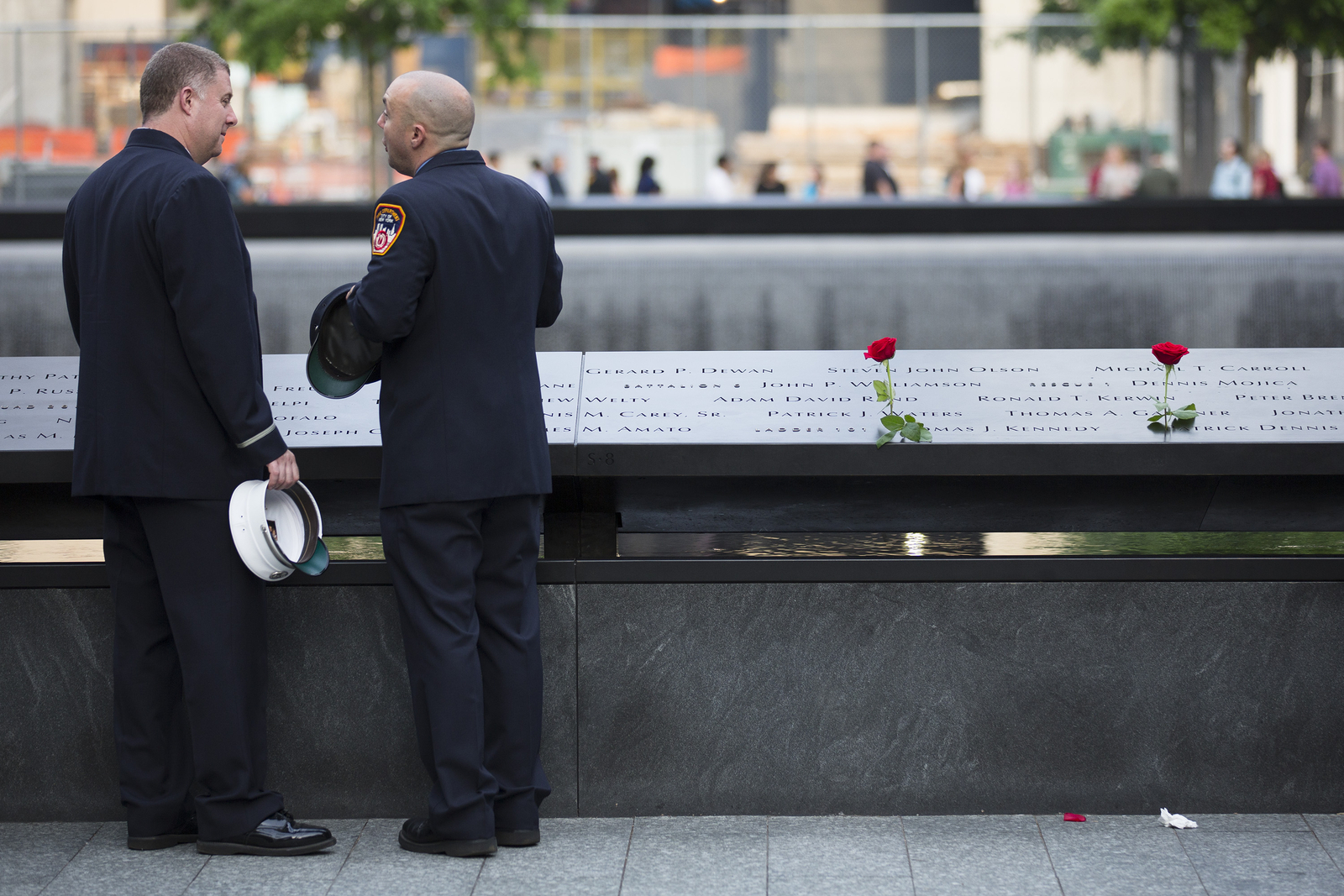
Nearly 25 years after the towers fell, the 9/11 health effects on those who ran toward danger continue to unfold in sobering numbers. The FDNY has released a landmark report that paints a stark picture of the long-term medical consequences faced by the brave men and women who participated in rescue and recovery operations at Ground Zero. Produced by the FDNY World Trade Center Health Program, the document draws on decades of medical monitoring and research to examine the physical cost borne by firefighters, EMTs, paramedics, officers, civilians, and retirees who answered the call on September 11, 2001.
As New York prepares to mark the 25th anniversary of the attacks, this comprehensive assessment serves as both a memorial and a warning, highlighting a death toll from post-9/11 illness that has now surpassed the number of people killed on the day of the attacks themselves.
The Initial Sacrifice: Heroes Lost in the Immediate Aftermath
On the morning of September 11, 343 members of the FDNY made the ultimate sacrifice as they worked to evacuate approximately 30,000 people from the Twin Towers. But the tragedy did not end when the dust settled. For weeks following the collapse, firefighters remained at Ground Zero, continuing search-and-recovery operations while being engulfed in a toxic cocktail of chemicals, pulverized building materials, jet fuel residue, and asbestos fibers.
This prolonged exposure during the rescue and recovery phase laid the groundwork for a health crisis that would unfold over the following decades, affecting not only those present on 9/11 but also the thousands who worked tirelessly in the weeks and months that followed.
Shocking Statistics: The Mounting Death Toll from 9/11-Related Illnesses
According to the World Trade Center Health Program, more than 9,000 people have died from illnesses linked to the attacks and their aftermath. Among those lost are 600 firefighters, a staggering figure that now exceeds the number of people killed on the day of the attacks themselves. This grim milestone underscores the continuing public health emergency that emerged from that fateful morning.
The FDNY’s own numbers tell an equally heartbreaking story:
- More than 12,000 FDNY members have been certified as having at least one World Trade Center-related condition
- Since 9/11, more than a tenth of these certified members have died
- Nearly a quarter of all 12,000 certified members have been diagnosed with cancer
The Cancer Crisis Among First Responders
The most alarming aspect of the FDNY report centers on the cancer epidemic among those who served at Ground Zero. FDNY Chief Medical Officer Dr. David Prezant, who was personally present at Ground Zero on 9/11, announced the latest findings on the long-term health effects for firefighters and other first responders.
“Unfortunately we have over a thousand with prostate cancer. Nearly 300 hematologic cancers such as lymphoma or leukemia, 221 with melanoma, which is a serious skin cancer, and over 100 with thyroid cancer, and that’s just the top five,” Dr. Prezant explained during the report’s release.
These figures represent not just statistics; they represent fathers, mothers, colleagues, and friends whose lives have been forever altered by their service during America’s darkest hour.
Hope Amid the Crisis: Lessons in Early Detection and Treatment
Despite the sobering numbers, the report also offers a message of hope rooted in the lessons learned over the past two and a half decades. Dr. Prezant emphasized that aggressive medical monitoring has proven effective in catching diseases early, leading to better outcomes for many first responders.
“These treatments result in lives saved. Aggressive monitoring leads to self-diagnosis, which leads to early treatment, which leads to increased survival rates,” Dr. Prezant noted. This proactive approach to 9/11 health effects monitoring has become a model for occupational health programs nationwide.
Federal Support: The World Trade Center Health Program
The World Trade Center Health Program, which is federally supported through Congressional funding, offers free health coverage for registered FDNY members. This program ensures that those who sacrificed their long-term well-being for the safety of others continue to receive the medical care they need without financial burden.
Fire Commissioner Lillian Bonsignore emphasized the program’s critical role, noting that the certification of more than 12,000 FDNY members with WTC-related conditions represents both a tragedy and a testament to the comprehensive care available through this federally funded initiative.
The 25th Anniversary Commemoration
As the anniversary approaches, families of victims will gather at the 9/11 Memorial Plaza to read the names of the 2,983 people killed in the 2001 attacks and the 1993 World Trade Center bombing. In a poignant addition to the annual commemoration, organizers of the 9/11 Memorial and Museum ceremony recently announced a new seventh moment of silence that will become a permanent part of the remembrance.
This additional moment of silence reflects the evolving understanding of the tragedy, acknowledging not only those who died on September 11, 2001, but also the countless first responders who have succumbed to 9/11-related illnesses in the years since.
Understanding the Scope of Toxic Exposure
The health crisis facing 9/11 first responders stems from an unprecedented environmental exposure event. The collapse of the Twin Towers released a complex mixture of hazardous substances into the air, including:
- Asbestos from building insulation
- Lead from electronic equipment
- Mercury from fluorescent light bulbs
- Cadmium from batteries
- Polycyclic aromatic hydrocarbons from burning materials
- Silica dust from pulverized concrete and glass
First responders breathed this toxic mixture without adequate respiratory protection during the initial days of the response, and many continued working in contaminated environments for months afterward.
The Ongoing Need for Awareness and Research
The FDNY report serves as a critical reminder that the consequences of 9/11 continue to evolve and demand continued attention from medical researchers, policymakers, and the public. As more time passes, researchers are identifying additional health conditions linked to Ground Zero exposure, including respiratory diseases, mental health conditions, and various autoimmune disorders beyond the well-known cancers.
The findings also highlight the importance of long-term medical monitoring for anyone who was present in lower Manhattan during the weeks following the attacks. The World Trade Center Health Program continues to identify and treat new conditions as they emerge, ensuring that the medical community’s understanding of Ground Zero first responders health challenges continues to advance.
Honoring the Fallen and the Surviving
The dual tragedy of 9/11,those who died on the day and those who have died since from related illnesses,demands a comprehensive response from society. The FDNY report not only documents the staggering human cost but also validates the sacrifices made by those who ran toward danger when everyone else was running away.
As we approach this solemn 25th anniversary, the numbers serve as a powerful reminder that the events of September 11, 2001, created a public health crisis that continues to unfold. The dedication of programs like the World Trade Center Health Program, the ongoing research into 9/11 health effects, and the continued recognition of those affected represent the nation’s commitment to honoring those who served.
Conclusion: A Legacy of Sacrifice and Resilience
The FDNY’s landmark report reveals a sobering reality: the heroism displayed on September 11, 2001, came at an enormous and ongoing cost. With more than 9,000 people having died from 9/11-related illnesses and thousands more continuing to battle serious health conditions, the tragedy of that day continues to unfold in hospitals, homes, and communities across the nation. Yet amid these devastating numbers lies a story of resilience, early detection, and improved treatment protocols that are saving lives. As we remember those lost,both on the day itself and in the decades since,we must also renew our commitment to supporting first responders, advancing research, and ensuring that no hero who answered the call on 9/11 is forgotten. The seventh moment of silence added to the annual commemoration represents a powerful acknowledgment that remembrance must evolve to encompass the full scope of sacrifice made by the FDNY first responders and all who served at Ground Zero.