
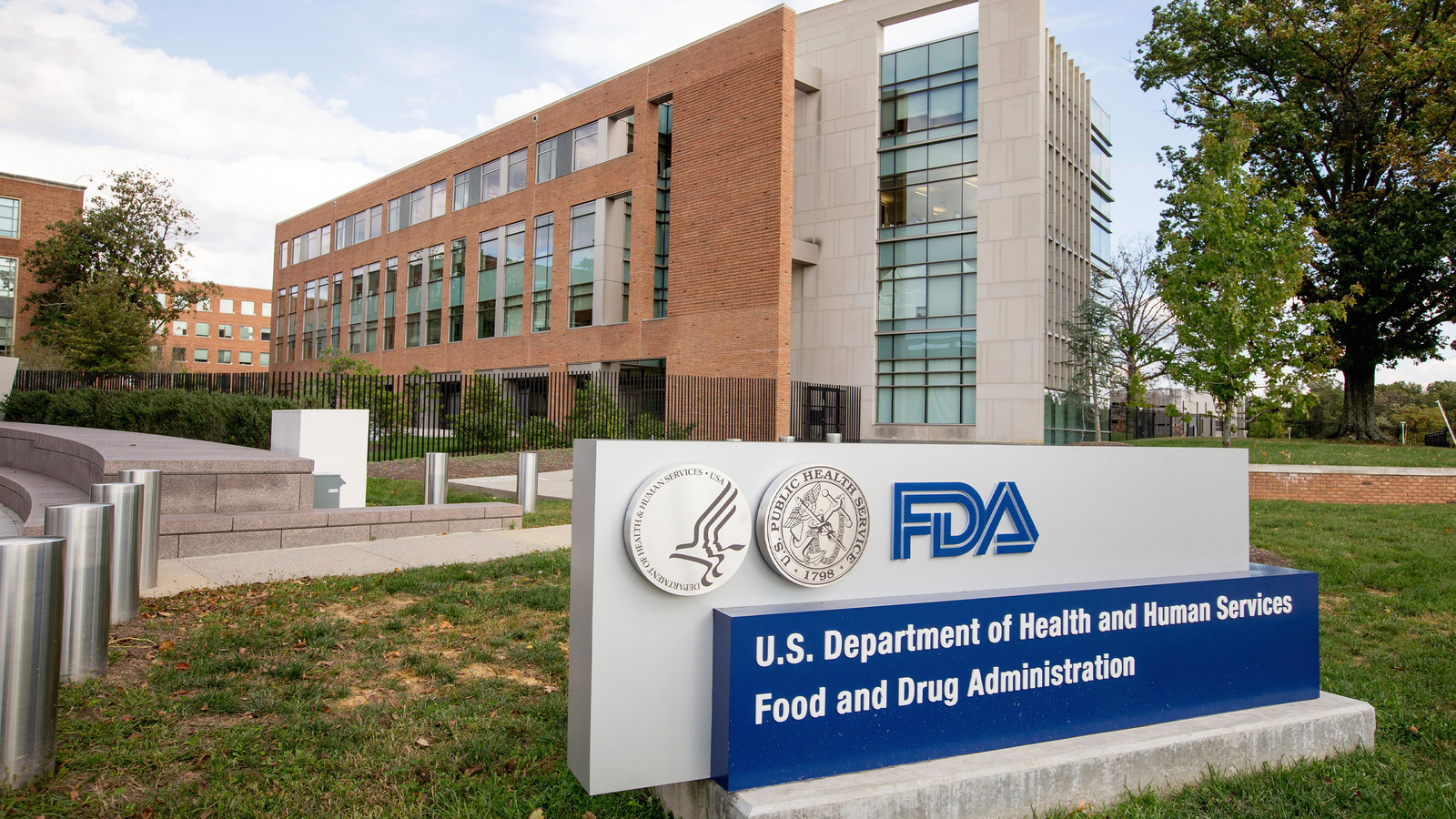
The FDA food division resignation of Jim Jones, the agency’s deputy commissioner for human foods, has sent shockwaves through the public health community. Jones stepped down on Monday in protest of what he characterized as the “indiscriminate firing” of approximately 89 personnel within the Food and Drug Administration. His departure highlights growing tensions between career public health officials and the Trump Administration’s aggressive efforts to restructure the federal workforce, particularly through Elon Musk’s Department of Government Efficiency (DOGE).
This resignation represents one of the most high-profile departures tied to the broader campaign to downsize federal agencies, and it raises serious questions about the future of food safety oversight in the United States. Below, we break down what happened, why it matters, and what comes next.
Jim Jones Steps Down: What Triggered the FDA Food Division Resignation?
Jim Jones, who served as deputy commissioner for human foods at the FDA, submitted his resignation letter directly to the agency’s acting commissioner. In the letter, Jones expressed frustration with the direction of the agency and the Administration’s approach to staffing.
Jones wrote that he had been eager to pursue the Department’s agenda of “improving the health of Americans by reducing diet-related chronic disease and risks from chemicals in food.” However, he concluded that continuing in his role would be “fruitless” given what he described as the Trump Administration’s “disdain for the very people necessary to implement your agenda.”
The catalyst for Jones’s departure was the termination of roughly 89 FDA employees, a move he labeled “indiscriminate firing.” Sources familiar with the situation confirmed to ABC News that among those let go were staff working on nutrition programs, infant formula safety, and teams specifically hired to evaluate potentially unsafe food ingredients.
Who Was Affected by the FDA Mass Firings?
The layoffs cut across multiple critical areas of the agency’s food safety mission:
- Nutrition policy staff , Personnel responsible for shaping guidelines on healthy eating and addressing chronic disease prevention.
- Infant formula safety teams , Experts tasked with ensuring the safety and nutritional adequacy of formulas consumed by millions of American babies.
- Food ingredient reviewers , Scientists and analysts hired specifically to evaluate chemicals and additives that may pose risks to consumers.
The breadth of these cuts is particularly alarming given the FDA’s role in safeguarding the nation’s food supply. Losing staff in these specialized areas could create gaps in oversight that affect everything from grocery store shelves to hospital feeding programs.
The Broader Context: DOGE and Federal Workforce Reductions
Jones’s resignation did not occur in isolation. It unfolded on the same day that a federal judge was weighing the legality of actions taken by Elon Musk and his Department of Government Efficiency. U.S. District Judge Tanya Chutkan held a hearing on a request from 14 states seeking a temporary restraining order against DOGE.
The states, represented by Democratic attorneys general, filed a lawsuit challenging what they characterized as Musk’s “unchecked power” in President Donald Trump’s quest to downsize the federal government. Their request aimed to block DOGE from two key activities:
- Firing employees at federal agencies
- Accessing sensitive data systems
The agencies at the center of the lawsuit include those overseeing health and human services, education, energy, transportation, labor, and commerce , a sweeping range of federal functions that touch nearly every American’s daily life.
Judge Chutkan’s Skepticism
During the hearing, Judge Chutkan expressed skepticism toward both sides. She questioned Musk’s authority to direct mass firings across federal agencies but also expressed doubt about the states’ request to fully block DOGE’s data access. Chutkan indicated she would issue a ruling within 24 hours, leaving the fate of DOGE’s operations uncertain.
Regardless of the legal outcome, the situation underscores the unprecedented nature of the current federal restructuring effort. Musk, a billionaire tech entrepreneur with no formal government position, has been granted unprecedented access to federal personnel systems and decision-making authority over agency staffing.
Why the FDA Food Division Resignation Matters for Public Health
The departure of a senior official like Jim Jones carries significance far beyond personnel changes. Jones was not just any bureaucrat , he was the deputy commissioner specifically tasked with overseeing the human foods program, one of the FDA’s most consequential divisions. The FDA food division resignation signals a potential unraveling of institutional expertise at a critical time.
Food Safety at a Crossroads
The FDA oversees approximately 80% of the U.S. food supply, including everything from fresh produce to processed snacks, dietary supplements, and infant formula. The agency is responsible for:
- Ensuring food labeling accuracy
- Monitoring foodborne illness outbreaks
- Evaluating the safety of food additives and chemicals
- Regulating infant formula composition
- Conducting inspections of food manufacturing facilities
When staff in these areas are dismissed en masse, the consequences can ripple outward quickly. The loss of food ingredient reviewers, for example, could delay evaluations of chemicals that have been linked to health concerns. The termination of infant formula safety personnel is particularly concerning given the formula shortages and safety scares of recent years.
A Pattern of Departures
Jones’s resignation is part of a broader exodus of career officials from federal health agencies. Many public health professionals have grown increasingly uncomfortable with policy decisions that appear to contradict scientific evidence or undermine institutional independence. The FDA food division resignation may encourage others in similar positions to speak out , or to quietly exit.
Reactions and Implications
The news of Jones’s resignation has drawn attention from consumer advocacy groups, public health organizations, and industry stakeholders. Many have expressed concern that the loss of experienced personnel will compromise the FDA’s ability to fulfill its core mission.
Consumer advocacy groups have emphasized that food safety should not become a casualty of broader political battles over government size. Industry representatives, meanwhile, have expressed mixed reactions , some welcoming reduced regulatory burden, others warning that instability at the FDA creates uncertainty for businesses that rely on clear, consistent oversight.
What Happens Next?
Several key questions remain unanswered following the FDA food division resignation:
- Will more senior officials follow Jones out the door? Career staff at the FDA and other agencies are watching closely to see how the Administration responds.
- How will the fired personnel be replaced? Many of the terminated employees held specialized roles that require months or years of training.
- What is the legal status of the firings? The ongoing court case could potentially invalidate the terminations or force a restructuring of DOGE’s authority.
- How will food safety inspections and reviews proceed? With fewer staff, backlogs could grow rapidly, delaying approvals and oversight actions.
Conclusion
The FDA food division resignation of Jim Jones represents a watershed moment in the ongoing debate over the size and scope of the federal government. While the Trump Administration and DOGE frame their actions as essential reforms to eliminate waste and inefficiency, career officials like Jones argue that these cuts undermine the very capacity of government to protect public health.
As courts weigh the legality of DOGE’s actions and Congress grapples with oversight questions, the American public may soon feel the practical effects of these changes at the grocery store, in their kitchens, and in the policies that shape what their families eat. The coming weeks and months will determine whether Jones’s resignation becomes an isolated protest or the opening chapter of a much larger reckoning over the future of federal food safety oversight.
For now, one thing remains clear: the expertise that ensures America’s food supply is safe does not exist in a vacuum. When experienced professionals are pushed out and institutional knowledge is lost, the cost is ultimately borne by every consumer who depends on the FDA to keep their food safe, nutritious, and truthfully labeled.