
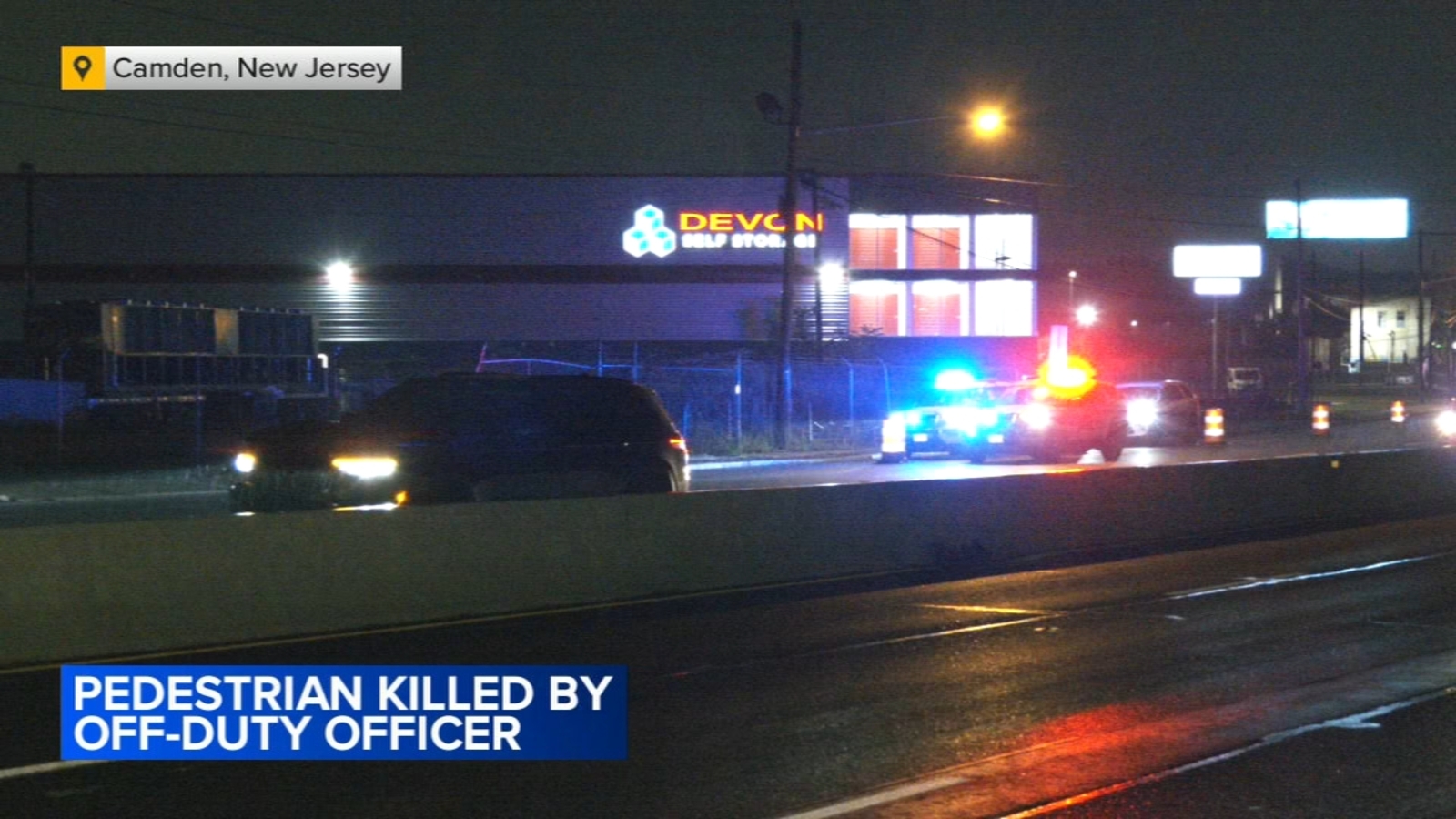
A tragic fatal pedestrian crash in Camden County, New Jersey, has left a community in mourning and authorities searching for answers. The incident, which occurred in the early morning hours of a Tuesday, claimed the life of a 19-year-old pedestrian and involved a vehicle operated by an off-duty law enforcement officer. As investigators work to piece together the circumstances surrounding the collision, the case has sparked renewed conversations about pedestrian safety, police-community relations, and the legal pathways available to families who lose loved ones in roadway tragedies.
Details of the Fatal Pedestrian Crash in Camden County
The collision took place shortly after 1 a.m. along the westbound lanes of Admiral Wilson Boulevard, a busy commercial corridor that cuts through the heart of Camden. According to preliminary reports, the incident occurred near 16th Street, a stretch of roadway well-known to local commuters for its high traffic volume and multiple intersections. The hour, combined with the vulnerability of the pedestrian, has become a central focus of the ongoing investigation.
Who Was the Victim?
Authorities have identified the young man who lost his life in this fatal pedestrian crash as 19-year-old Angel Saravia Estrada. At just 19 years old, Saravia Estrada had decades of life ahead of him,dreams to pursue, relationships to nurture, and contributions to make to his community. His sudden and tragic death has devastated family members and friends who now find themselves grappling with immeasurable grief and a long list of unanswered questions.
The loss of a young life in any roadway collision is devastating, but cases involving pedestrian fatalities carry a particular weight. Unlike occupants of motor vehicles, pedestrians have no steel frame, airbags, or seatbelts to protect them. When a several-thousand-pound vehicle strikes a person on foot, the consequences are almost always catastrophic.
The Off-Duty Officer’s Role in the Collision
Investigators confirmed that the driver involved in the crash was an off-duty police officer. While the specific agency and the officer’s identity have not yet been publicly disclosed, the circumstances raise important questions about the nature of police work and how officers are trained to respond both on and off duty. Notably, authorities stated that the off-duty officer remained at the scene following the collision, cooperating with investigators,a detail that distinguishes this case from many other fatal pedestrian crash incidents that often involve drivers leaving the scene before authorities arrive.
The decision to remain at the scene does not, however, diminish the seriousness of the situation. Any collision that results in the death of another person carries significant legal consequences, and the involvement of a law enforcement officer adds layers of complexity,both procedurally and in terms of public perception.
The Investigation and Unanswered Questions
At the time of the most recent reporting, authorities had not yet released critical details that could shed light on why this fatal pedestrian crash occurred. Investigators are working to determine:
- The speed of the vehicle at the time of impact
- Whether the pedestrian was crossing in a designated crosswalk or mid-block
- Visibility conditions, including street lighting and weather
- Whether alcohol, drugs, or distraction played a role
- The officer’s familiarity with the area and roadway patterns
Immediate Response from Fellow Officers
In a noteworthy development, an on-duty officer with the Delaware River Port Authority Police Department arrived at the scene shortly after the collision occurred. This officer attempted to render aid to the injured pedestrian, demonstrating the instinct that often drives men and women into law enforcement careers,the desire to help others in crisis. Despite these efforts, Saravia Estrada was transported to Cooper University Hospital, where he was ultimately pronounced dead.
The dual presence of law enforcement at the scene,both as the suspected at-fault driver and as first responders,creates a unique investigative dynamic. To preserve the integrity of the inquiry, it is common for outside agencies to be brought in to handle investigations involving officers, ensuring that conflicts of interest do not compromise the outcome.
Pedestrian Safety Concerns on Admiral Wilson Boulevard
Admiral Wilson Boulevard is not unfamiliar to traffic safety advocates. The corridor, which serves as a major thoroughfare for both local traffic and visitors traveling through the region, has historically been identified as an area where pedestrian safety improvements could prevent tragedies. Busy multi-lane roads like this one pose inherent risks for individuals on foot, particularly during late-night and early-morning hours when visibility is reduced and traffic patterns shift.
Several factors commonly contribute to pedestrian accidents on urban roadways:
- Inadequate street lighting in certain stretches
- Long distances between marked crosswalks
- Higher posted speed limits that increase collision severity
- Driver distraction from phones, passengers, or fatigue
- Pedestrian impairment or distraction
For families who have lost loved ones in pedestrian accidents, these systemic issues often feel abstract until a tragedy makes them painfully personal. The death of Angel Saravia Estrada underscores how a single moment of vulnerability,whether on the part of a driver or pedestrian,can have irreversible consequences.
Legal Pathways for Families Affected by Pedestrian Fatalities
When a pedestrian is killed in a collision, surviving family members often face not only profound emotional pain but also significant financial hardship. Funeral expenses, lost income, lost companionship, and the intangible value of a loved one’s life all factor into the legal analysis of these cases. Families who have lost someone in a fatal pedestrian crash frequently explore their legal options, including potential claims against at-fault drivers and, in some circumstances, against the governmental entities responsible for roadway design and maintenance.
Why Legal Guidance Matters
The legal landscape surrounding pedestrian fatalities is complex, especially when the at-fault party is a law enforcement officer acting outside the scope of their official duties. Insurance considerations, sovereign immunity questions, and procedural requirements can all influence the outcome of any legal action. Families considering their options are often best served by consulting with attorneys who specialize in wrongful death claims and pedestrian accidents. An experienced pedestrian accident attorney can help navigate these complexities, preserve evidence, and pursue the compensation that grieving loved ones deserve.
Additionally, when crashes involve off-duty officers, questions may arise regarding whether the officer was acting within the scope of employment,particularly if they were using a department-issued vehicle or were on call at the time of the incident. These determinations can have significant implications for which insurance policies and legal doctrines come into play.
Community Response and the Path Forward
Beyond the legal and investigative dimensions, the death of a young community member inevitably prompts broader reflection. Neighbors, advocacy groups, and city leaders often come together in the wake of a fatal pedestrian crash to demand improved safety measures, enhanced lighting, better crosswalk visibility, and stronger enforcement of traffic laws designed to protect vulnerable road users.
Pedestrian safety is not solely the responsibility of any one group. Drivers must remain vigilant, pedestrians must make safe choices, and municipalities must design infrastructure that prioritizes human life over vehicle throughput. The tragedy on Admiral Wilson Boulevard is a sobering reminder of how fragile life can be,and how quickly ordinary moments can turn catastrophic.
Honoring the Victim
As the investigation into the death of Angel Saravia Estrada continues, those who knew and loved him are left to honor his memory in whatever ways they can. Whether through community vigils, charitable efforts, or simply speaking his name and sharing his story, the act of remembrance serves an important purpose. It reminds us that behind every statistic and every news headline about a fatal pedestrian crash is a human being whose absence will be felt by many for years to come.
Conclusion
The fatal pedestrian crash that claimed the life of Angel Saravia Estrada along Admiral Wilson Boulevard in Camden County is a tragedy that demands both accountability and reflection. As authorities continue their investigation into the circumstances surrounding the collision, the community awaits answers that may take weeks or even months to fully emerge. In the meantime, the loss serves as a powerful call to action for drivers, pedestrians, policymakers, and safety advocates alike. No family should have to endure the sudden loss of a loved one to a preventable roadway tragedy. By committing to safer streets, stronger enforcement, and a culture of vigilance behind the wheel, communities can honor the memory of those lost while working to ensure that future generations never have to experience the same heartbreak.