
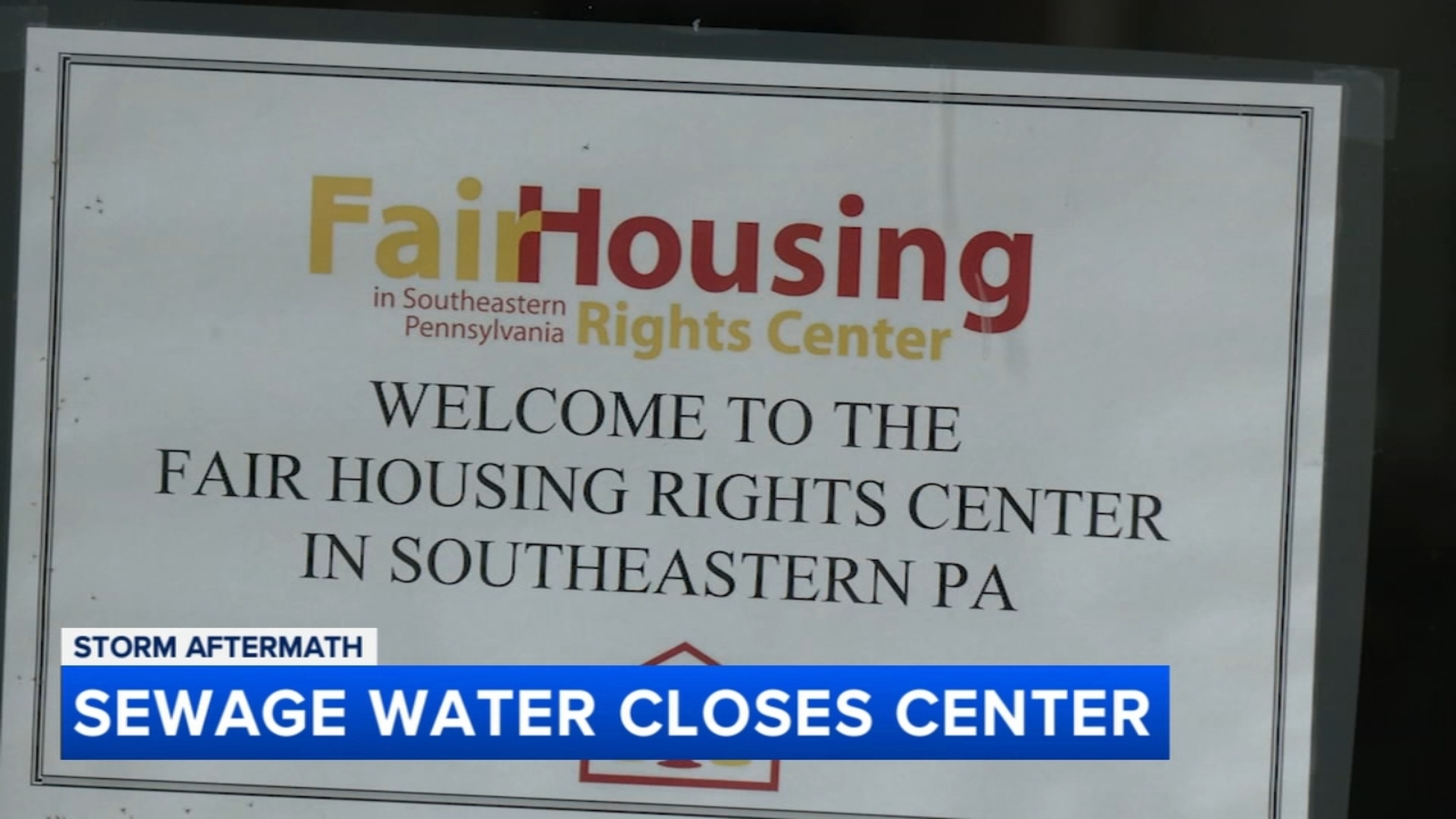
The Fair Housing Rights Center in Southeastern Pennsylvania is facing an unexpected operational challenge after a devastating sewage flood forced its entire staff to work remotely. The nonprofit organization, headquartered in Philadelphia’s Northern Liberties neighborhood, advocates for equal access to housing opportunities for residents across Southeastern and Central Pennsylvania. The recent flooding incident has not only disrupted daily operations but has also raised concerns about the organization’s ability to continue serving vulnerable populations who depend on its services.
According to CEO Angela McIver, the storm triggered a sewage line failure within the building, causing a toilet to back up and overflow. The resulting contamination spread across nearly all of the carpeting in the workspace, rendering the office unsafe for normal use. Staff members must now wear masks before entering the premises, a precaution that underscores the severity of the contamination and the potential health risks involved.
The Immediate Impact of the Sewage Flood
Health and Safety Concerns
Sewage flooding presents serious health hazards that extend far beyond the visible damage. When raw sewage contaminates a workspace, it introduces harmful bacteria, viruses, and other pathogens into the environment. McIver emphasized that the organization cannot safely occupy the space without proper protective equipment, explaining that “we need to protect ourselves” from the contamination. The decision to require masks represents just one layer of precaution in what is likely a much larger remediation effort.
Cleanup crews have already removed the standing water from the office, but their work has only addressed the most immediate danger. Anything the water touched is considered contaminated, meaning that much of the office infrastructure will need to be replaced. This includes the nearly universal carpeting throughout the workspace, as well as numerous supplies, materials, and equipment that were stored at floor level or in affected areas.
Damage to Essential Resources
Boxes of files and other office contents now bear witness to the extent of the destruction. Many items that the organization relies on for daily operations will need to be replaced, creating both a logistical and financial burden. For a nonprofit organization already navigating funding challenges, this unexpected expense adds another layer of difficulty to an already complex situation.
Adapting to Remote Operations
Technology as a Lifeline
Despite the physical damage to their workspace, the Fair Housing Rights Center has demonstrated remarkable resilience by continuing to serve its clients remotely. Employees are leveraging technology to maintain essential operations, ensuring that the organization’s mission remains uninterrupted. One particularly creative solution involves the use of a Ring camera system that allows staff to communicate with visitors in real time, even when no one is physically present in the office.
As McIver explained, the Ring camera enables her to interact with anyone who approaches the office, providing a level of accessibility that mirrors the organization’s pre-flood operations. This innovative approach to maintaining client services reflects the dedication of the staff and their commitment to the communities they serve, even in the face of significant adversity.
Continuing the Mission
The fair housing rights center exists to ensure that all people, regardless of their background, have equal access to housing opportunities. This mission becomes even more critical during times of disruption, when vulnerable populations may face increased discrimination or barriers to housing. McIver noted that if the organization were not actively working, “things would be so much worse for all of the protected classes that rely on our services.”
The protected classes served by the organization include individuals and families who may face discrimination based on race, color, national origin, religion, sex, familial status, or disability. By maintaining operations remotely, the Fair Housing Rights Center ensures that these communities continue to have access to advocacy, education, and support services during this challenging period.
Funding Challenges and Federal Support
A History of Financial Obstacles
The sewage flood is not the first significant challenge the organization has faced in recent memory. Earlier in 2025, the Fair Housing Rights Center encountered a major funding crisis when a federal contract worth $425,000 was terminated abruptly. This sudden loss of funding threatened the organization’s ability to maintain its programs and serve its clients effectively.
The termination of such a substantial contract would have been devastating for many organizations, potentially forcing layoffs, program cuts, or even closure. However, the Fair Housing Rights Center took decisive action to protect its operations and the communities it serves.
Legal Resolution
Following the termination of the federal contract, the organization pursued legal recourse by filing a federal lawsuit. This legal challenge ultimately proved successful, and the funding was restored. The resolution of this legal battle allowed the organization to continue its important work, though it also highlighted the vulnerability of nonprofit organizations that rely on government contracts to fund their operations.
The restored funding has proven crucial as the organization now faces the additional expense of remediating flood damage and replacing contaminated materials. Without the restored contract, the organization might have been unable to weather this latest crisis effectively.
The Path Forward
Planned Relocation
In a somewhat fortunate turn of events, the Fair Housing Rights Center was already in the process of relocating to a new office space before the latest flooding incident occurred. This planned move may now be accelerated, allowing the organization to establish operations in a facility that has not been compromised by sewage contamination.
McIver noted that flooding has been a recurring issue at the current Northern Liberties location, making the planned relocation particularly timely. Moving to a new space will not only resolve the immediate crisis but may also provide a more stable long-term home for the organization’s operations.
Working with the Building Owner
The organization is currently collaborating with the building owner to address the damage and replace items affected by the sewage water. This partnership is essential for navigating the remediation process and ensuring that the organization can eventually return to in-person operations or transition smoothly to its new location.
Property owners have responsibilities when it comes to maintaining safe and functional workspaces for their tenants. The collaboration between the Fair Housing Rights Center and the building owner will be crucial in determining the timeline for remediation and the final resolution of the property damage issues.
The Broader Importance of Fair Housing Advocacy
Why This Work Matters
The work of the fair housing rights center extends far beyond the walls of its Philadelphia office. Housing discrimination remains a persistent problem across the United States, affecting millions of people who may be denied housing opportunities based on characteristics that have no bearing on their ability to be responsible tenants or homeowners.
Fair housing organizations play a critical role in:
- Educating the public about housing rights and anti-discrimination laws
- Investigating complaints of housing discrimination
- Providing legal assistance to victims of discriminatory practices
- Advocating for policy changes that strengthen housing protections
- Supporting vulnerable populations who face barriers to housing access
Community Resilience in Action
The story of the Fair Housing Rights Center’s response to the sewage flood is ultimately a story of community resilience. Despite facing a funding crisis, a public health emergency in their workspace, and the logistical challenges of remote operations, the organization continues to serve its clients and advocate for equal housing access.
This kind of perseverance is essential in the nonprofit sector, where organizations often operate with limited resources while addressing significant social challenges. The ability to adapt quickly, leverage technology creatively, and maintain focus on the mission despite setbacks is what allows organizations like the Fair Housing Rights Center to continue making a difference in the lives of the people they serve.
Conclusion
The sewage flooding at the Fair Housing Rights Center’s Northern Liberties office represents a significant operational challenge, but it has not diminished the organization’s commitment to its mission. Through innovative use of technology, dedicated staff working remotely, and ongoing collaboration with the building owner, the organization continues to provide essential services to protected classes across Southeastern and Central Pennsylvania.
As the organization moves forward with its planned relocation and addresses the damage from the flood, the experience serves as a reminder of the importance of supporting fair housing advocacy organizations. These groups work tirelessly to ensure that everyone, regardless of their background, has access to safe, affordable, and equitable housing opportunities. The resilience demonstrated by the Fair Housing Rights Center in the face of this crisis embodies the very spirit of the communities it serves, proving that even in the most challenging circumstances, the work of advancing housing justice must and will continue.