
Nestled within the rolling green expanse of Philadelphia’s Fairmount Park, the historic Strawberry Mansion stands as a living monument to America’s founding era. Far more than a relic behind velvet ropes, this remarkable house museum invites them into the very rooms where early American life unfolded, from abolitionist planning sessions to elegant gatherings in the ballroom. With roots stretching back to 1789 and a stewardship story that spans a century, the mansion offers visitors a rare opportunity to step into Philadelphia’s past while supporting a preservation mission that continues to thrive today.
A House with Deep Roots in American History
When visitors first step through the doors of Strawberry Mansion, they often describe the experience as walking into someone’s cherished family home rather than a sterile exhibit hall. That distinction matters to the people who care for the property. The rooms are filled with genuine antique furnishings, period artifacts, and personal touches that bring the late 18th and early 19th centuries vividly to life.
The original structure dates back to 1789, when Judge William Lewis commissioned its construction. Lewis was no ordinary citizen of his time. As a prominent Philadelphia lawyer and a passionate abolitionist, he used his influence to help draft the nation’s very first act aimed at abolishing slavery. His moral conviction shaped not only the trajectory of his own life but also the city around him, making the mansion a profound site for understanding Philadelphia’s role in American history.
Two of George Washington’s own chairs remain among the historic artifacts displayed inside the home. These pieces speak to the deep ties between Washington himself and Judge Lewis, a relationship that extended beyond simple acquaintance. Washington personally asked Lewis to participate in the new American government, an invitation that placed the homeowner at the heart of early nation-building. Lewis did not disappoint, taking his role in government seriously while simultaneously championing the cause of freedom for enslaved people seeking refuge.
From Summerville to Strawberry Mansion
Long before it carried the name by which it is known today, the property was originally called “Summerville.” The name change reflects both geographic context and the evolution of the surrounding neighborhood over the centuries. Originally built as a country estate when Philadelphia was a young capital city, the home once overlooked pastoral landscapes far different from the urban environment that eventually grew around Fairmount Park.
Philadelphia itself earned a reputation as a beacon of hope for those fleeing bondage. Enslaved people making their way north knew that the Quaker City offered something precious: a community willing to provide safe harbor. The mansion’s connection to Judge Lewis and the abolitionist movement places it squarely within that powerful narrative of freedom and refuge that defines so much of Philadelphia history.
The Committee of 1926: Stewards of a Legacy
The story of how this historic house museum came to be open to the public is itself a fascinating chapter. The stewardship group known as the Committee of 1926 has been caring for the property for nearly a century, and the organization is now approaching a remarkable milestone: its 100th anniversary.
Origins at the Sesquicentennial Exposition
The committee’s roots trace back to Philadelphia’s 1926 Sesquicentennial International Exposition, a massive world’s fair celebrating the 150th anniversary of American independence. During that exposition, a group of enterprising women, described affectionately as being “of a certain age,” assembled a recreated village designed to show fairgoers how ordinary Americans lived between 1776 and 1850.
The success of that interpretive effort planted a seed. After the fair concluded, these dedicated women recognized that the historic houses scattered throughout Fairmount Park had so much to offer Philadelphia’s residents and visitors. They organized themselves into a formal stewardship group, the Committee of 1926, and took on the responsibility of preserving these architectural treasures for future generations. That commitment continues unbroken to this day.
Long-time committee president Connie Ragsdale, who spent 32 years as a schoolteacher before retiring, has been personally involved in preservation work for the past 15 years. After retirement, she sought meaningful volunteer work and found her calling as a guide in the historic park houses. Her passion for the mansion’s story and her dedication to sharing it with visitors has helped shape the modern visitor experience.
Treasures Within: Collections and Artifacts
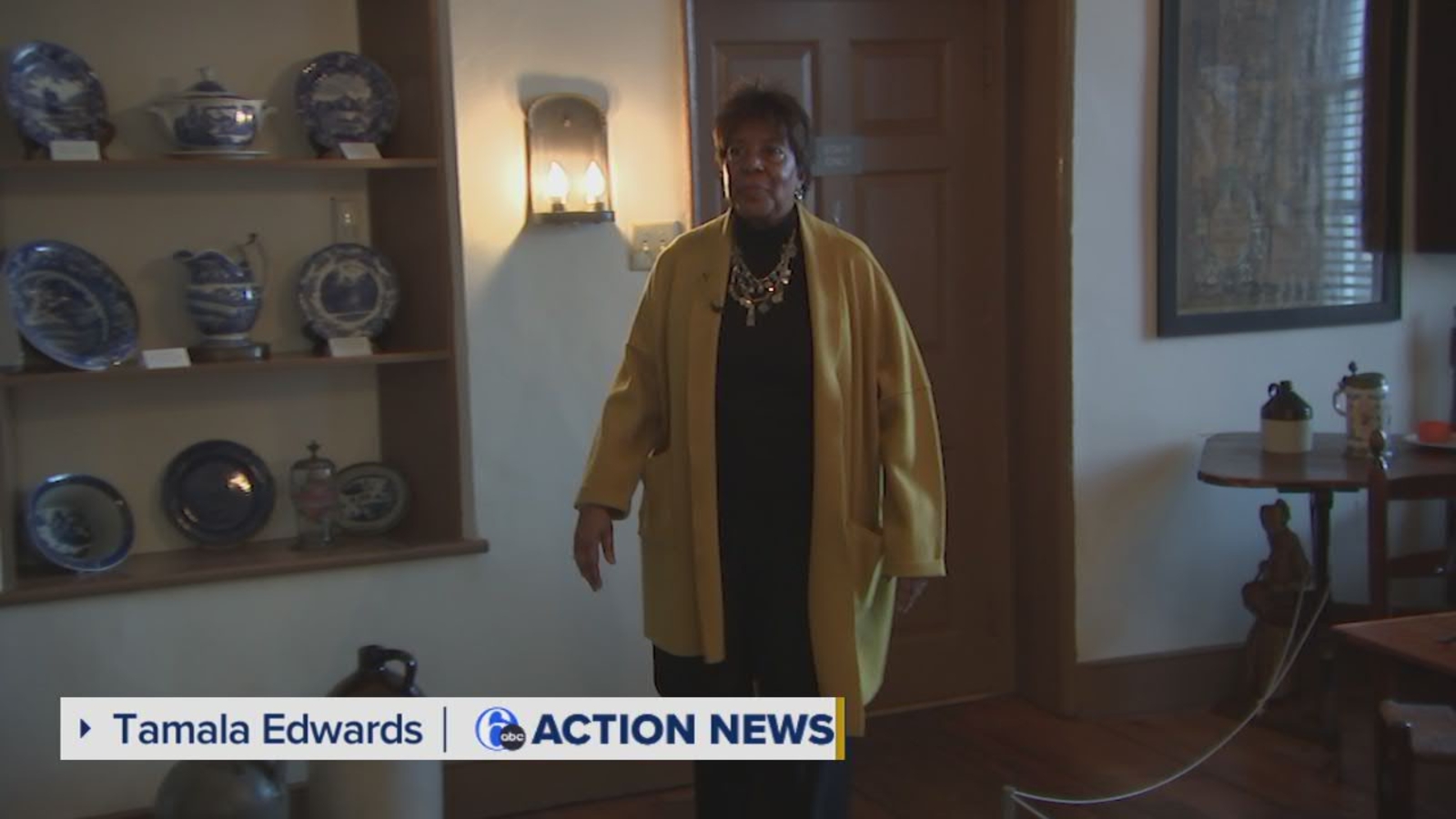
Inside the mansion, visitors encounter a remarkable array of period pieces that illuminate both elite and everyday life in early America. Among the standout collections is an impressive grouping of Tucker porcelain, the celebrated decorative ceramics produced in Philadelphia between roughly 1826 and 1838. These pieces represent some of the finest decorative arts created in early America and offer a window into the tastes and craftsmanship of the period.
The mansion also houses one of the region’s oldest antique doll collections. This remarkable assembly of historic dolls provides a delightful and unexpected glimpse into childhood, play, and domestic life across multiple generations. Together with the porcelain and the George Washington commissions, the doll collection contributes to a multi-layered interpretive experience that appeals to visitors of every age.
In 2013, the Committee of 1926 added a special feature to enrich the visitor experience: a mural depicting the historic houses of Fairmount Park. This artistic addition connects Strawberry Mansion to the broader constellation of preserved historic properties throughout the park, helping visitors understand how these homes collectively tell the story of Philadelphia’s evolution.
The Architecture and Its Additions
While Judge Lewis built the original structure in 1789, the mansion as it stands today reflects the contributions of multiple generations. The second owner, Judge Joseph Hemphill, expanded the property by adding two significant additions, including what is now known as the Banquet Room. This grand space served as the home’s entertainment hub, hosting dinners and gatherings that brought Philadelphia’s elite together under one roof.
The Banquet Room, along with the original ballroom, gives visitors a sense of how the home functioned as both a private residence and a social stage. These spaces were where Philadelphia’s power brokers, jurists, and tastemakers gathered, made alliances, and celebrated milestones. Today, they invite modern visitors to imagine the candlelit dinners and lively conversations that once filled these very rooms.
The Fairmount Park mansions as a group represent an extraordinary collection of preserved architecture. Strawberry Mansion is part of a network of historic houses, each with its own character and story, that together tell the larger tale of Philadelphia’s rise from colonial outpost to American capital to modern metropolis.
Planning Your Visit
For those inspired to explore this remarkable property firsthand, guided tours are available and highly recommended. Experienced docents lead visitors through the rooms and collections, sharing context, anecdotes, and details that bring each space to life. The tours cover not only the architecture and furnishings but also the human stories, including those of Judge Lewis, Judge Hemphill, the enslaved people who found refuge in Philadelphia, and the women of the Committee of 1926 who have spent a century preserving this treasure.
The mansion is located at 2450 Strawberry Mansion Drive, Philadelphia, PA 19132, easily accessible from many parts of the city. Visitors are encouraged to check the Committee of 1926’s current schedule for tour times, special events, and any upcoming centennial celebrations as the organization approaches its historic 100th year of stewardship.
A Living Legacy Worth Preserving
The work of the Committee of 1926 embodies a simple but powerful truth: communities only know where they are going if they understand where they have been. The preservation of Strawberry Mansion is not merely about saving an old building. It is about safeguarding the stories, artifacts, and architectural heritage that connect modern Philadelphians to the generations who shaped both their city and their nation.
From abolitionist principles to artistic achievements, from presidential chairs to treasured dolls, the mansion offers a layered, human-centered experience of history. As the Committee of 1926 approaches its centennial milestone, the dedicated volunteers and supporters who keep this legacy alive deserve recognition and gratitude. Visiting the historic Strawberry Mansion is more than a pleasant afternoon outing. It is an act of participation in a preservation story that has been unfolding for nearly a hundred years and shows no signs of slowing down.
Whether you are a lifelong Philadelphia resident, a history enthusiast, or a curious traveler exploring America’s past, Strawberry Mansion welcomes you to step inside, look around, and become part of a continuing story that began long before any of us and, thanks to passionate preservationists, will continue for generations to come.