
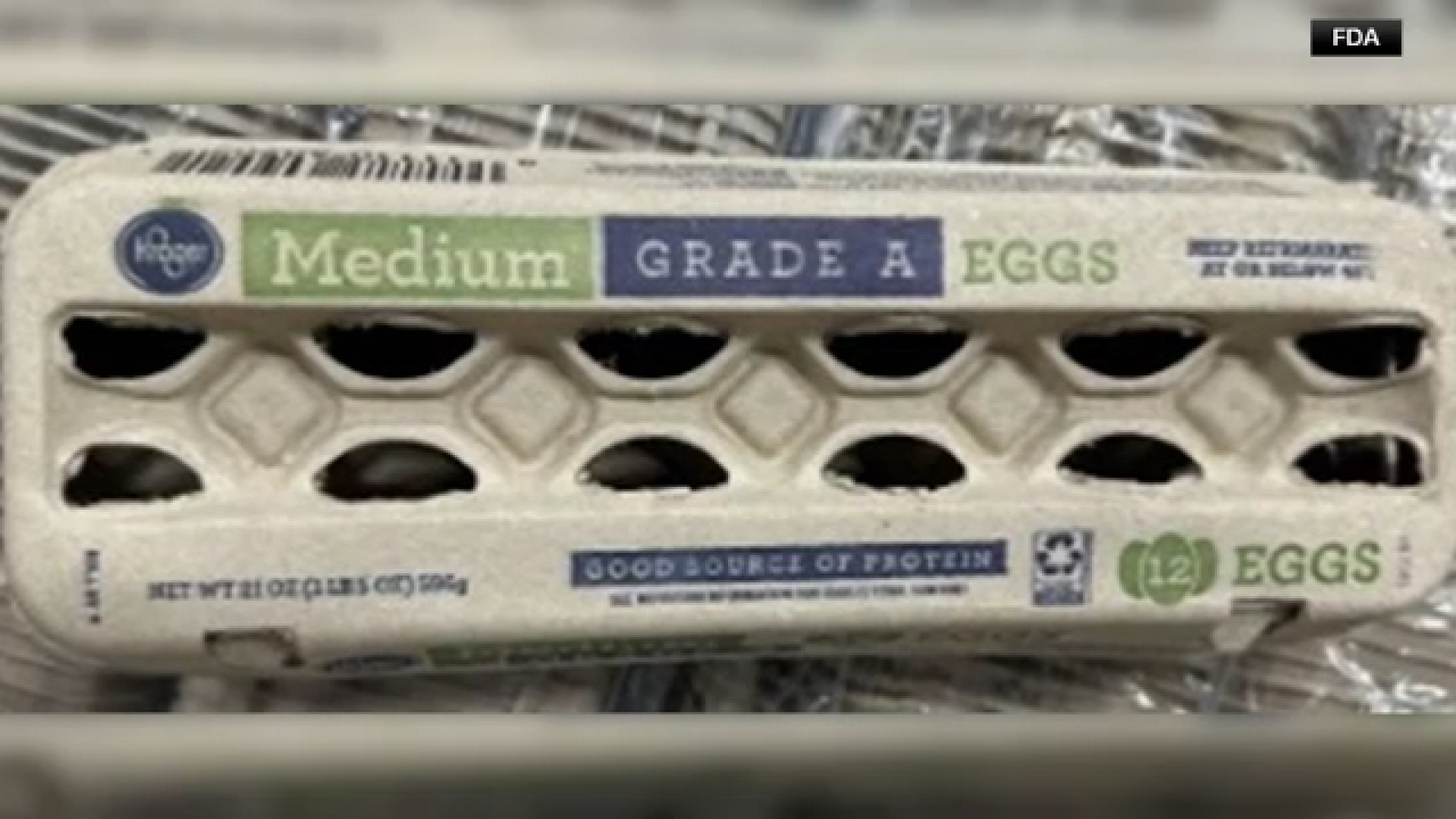
If you’ve shopped for eggs recently, you’ll want to check your refrigerator: an egg recall salmonella alert has been issued affecting nearly 19 million eggs distributed across multiple states. Midwest Poultry Services voluntarily initiated the recall as a precautionary measure after discovering a potential contamination issue at its Texas production facility. Here’s everything consumers need to know about which products are affected, how to identify them, and what symptoms to watch for if you believe you may have consumed contaminated eggs.
What Happened: The Details of the Recall
Midwest Poultry Services, a family-owned egg producer based in the Midwest, announced the voluntary recall of approximately 1.6 million dozen eggs , roughly 19 million individual eggs , due to possible salmonella contamination. The recall was posted on the U.S. Food and Drug Administration (FDA) website, and the company has been working with retail partners to remove affected products from store shelves.
The recalled products include both white shell eggs and brown cage-free shell eggs that were processed in Texas. These eggs carry “sell by” or “best by” dates ranging from July 20, 2026, through August 17, 2026. Consumers should carefully examine any eggs in their refrigerator purchased during the past several weeks to determine whether they fall within the affected date range.
Where the Recalled Eggs Were Sold
The recalled eggs were distributed to a wide range of retailers across the southern and central United States. Specifically, the affected products reached:
- Kroger locations in Texas and Louisiana
- Brookshire Grocery stores across Texas, Oklahoma, Arkansas, Louisiana, New Mexico, and Mississippi
- Various smaller retail outlets throughout the same region
- Foodservice customers in Texas, Oklahoma, and Louisiana
If you purchased eggs from any of these retailers within the past several weeks, it’s worth double-checking your carton to determine whether it falls within the recall parameters.
How to Identify the Recalled Eggs
Consumers can identify recalled cartons by checking the date-coding printed on either the left or right side of the egg carton. The recalled products will display one of two code numbers:
- P-1950
- 0840962
In addition, the carton must have a Julian Date between 157 and 184 to be affected. A Julian Date is a three-digit number representing the day of the year, so date 157 would correspond to early June and 184 to early July. For the most complete identification information, including UPC codes, product photos, and specific “best by” dates for each variety, consumers can visit the FDA’s recall database.
Midwest Poultry Services’ Response
In a statement provided to news outlets, Midwest Poultry Services emphasized that the recall was initiated as a precautionary step. The company noted that no illnesses have been reported in connection with the recalled products at this time.
“At Midwest Poultry Services, a family-owned and led business, we believe in the power of safe, nutritious eggs to make a real difference in people’s lives,” the company stated. “The work our team does is in service of that, and nothing supports it more directly than the practices that keep every egg we produce safe.”
Upon discovering the potential issue, the company immediately began diverting eggs to a breaking plant where they would undergo pasteurization to eliminate any foodborne pathogens. They also launched an internal investigation and began enhanced testing protocols to identify potential sources of salmonella contamination.
The company was careful to clarify that no other Midwest Poultry Services products are included in this recall. Only the eggs matching the specific identification codes and date ranges listed above are affected.
What Is Salmonella and Why Does It Matter?
Salmonella is a genus of bacteria responsible for approximately 1.35 million infections in the United States every year, according to data from the Centers for Disease Control and Prevention (CDC). Contaminated food is the leading source of these infections, making food safety recalls like this one critically important for public health.
People typically become infected with salmonella in one of two ways: either by unknowingly swallowing the bacteria through contaminated food or water, or through contact with infected animals, their feces, or environments where animals live and roam. Eggs can become contaminated in several ways , sometimes through contact with fecal matter during the laying process, or through contamination that occurs after the egg has been laid.
Symptoms of Salmonella Infection
Salmonella infections, known medically as salmonellosis, can produce a range of uncomfortable and potentially serious symptoms. Common signs include:
- Abdominal pain or cramping
- Fever
- Headache
- Watery diarrhea, sometimes containing blood or mucus
- Loss of appetite
- Nausea
- Vomiting
Symptoms typically develop six hours to six days after exposure to the bacteria. For most healthy individuals, the illness resolves on its own within four to seven days without requiring specific medical treatment.
Who Is Most at Risk?
While most people recover from salmonella infections without lasting effects, certain populations face a significantly higher risk of severe illness. These vulnerable groups include:
- Children under five years old, whose immune systems are still developing
- Adults aged 65 and older, whose immune function may be diminished
- Individuals with weakened immune systems, including those undergoing chemotherapy, living with HIV/AIDS, or taking immunosuppressive medications
Members of these high-risk groups may experience more severe symptoms that require medical intervention or hospitalization. Anyone in these categories who suspects they’ve consumed contaminated eggs should contact a healthcare provider promptly, even if symptoms are mild.
What to Do If You Have Recalled Eggs
Midwest Poultry Services has issued clear instructions for consumers who may have purchased the recalled eggs:
- Do not consume the eggs. Even if the eggs look and smell normal, they may contain harmful bacteria.
- Check the carton identification codes (P-1950 or 0840962 with Julian Date between 157 and 184) to confirm whether your eggs are affected.
- Return the product to the store where it was purchased for a full refund. Most retailers will accept recalled products even without a receipt.
- Clean and sanitize any surfaces, containers, or utensils that may have come into contact with the recalled eggs to prevent cross-contamination.
- Monitor your health for symptoms over the next several days, especially if you belong to a high-risk group.
Food Safety Tips to Prevent Salmonella Infection
This recall serves as a good reminder of basic food safety practices that can help protect you and your family from foodborne illness:
- Cook eggs thoroughly until both the yolk and white are firm. For dishes containing eggs, cook them to an internal temperature of 160°F (71°C).
- Refrigerate eggs promptly at or below 40°F (4°C) and avoid leaving them at room temperature for more than two hours.
- Practice good hand hygiene , wash your hands thoroughly with soap and water after handling raw eggs.
- Avoid cross-contamination by keeping raw eggs separate from ready-to-eat foods, and use separate cutting boards and utensils.
- Consider pasteurized eggs if you’re preparing recipes that call for raw or undercooked eggs, especially when cooking for vulnerable individuals.
Conclusion
The voluntary egg recall salmonella alert affecting 19 million eggs from Midwest Poultry Services underscores how important it is for consumers to stay informed about food safety announcements. While no illnesses have been reported in connection with this recall, taking the precaution seriously is essential , particularly for families with young children, elderly members, or anyone with a compromised immune system. If you have eggs from Kroger, Brookshire Grocery, or any foodservice provider in the affected states, take a moment to check those carton codes and dates. Returning recalled products and practicing proper food safety habits are the most effective ways to protect yourself and your loved ones from salmonella and other foodborne illnesses. For the most up-to-date information on this recall and a full list of affected products, visit the FDA’s website.