
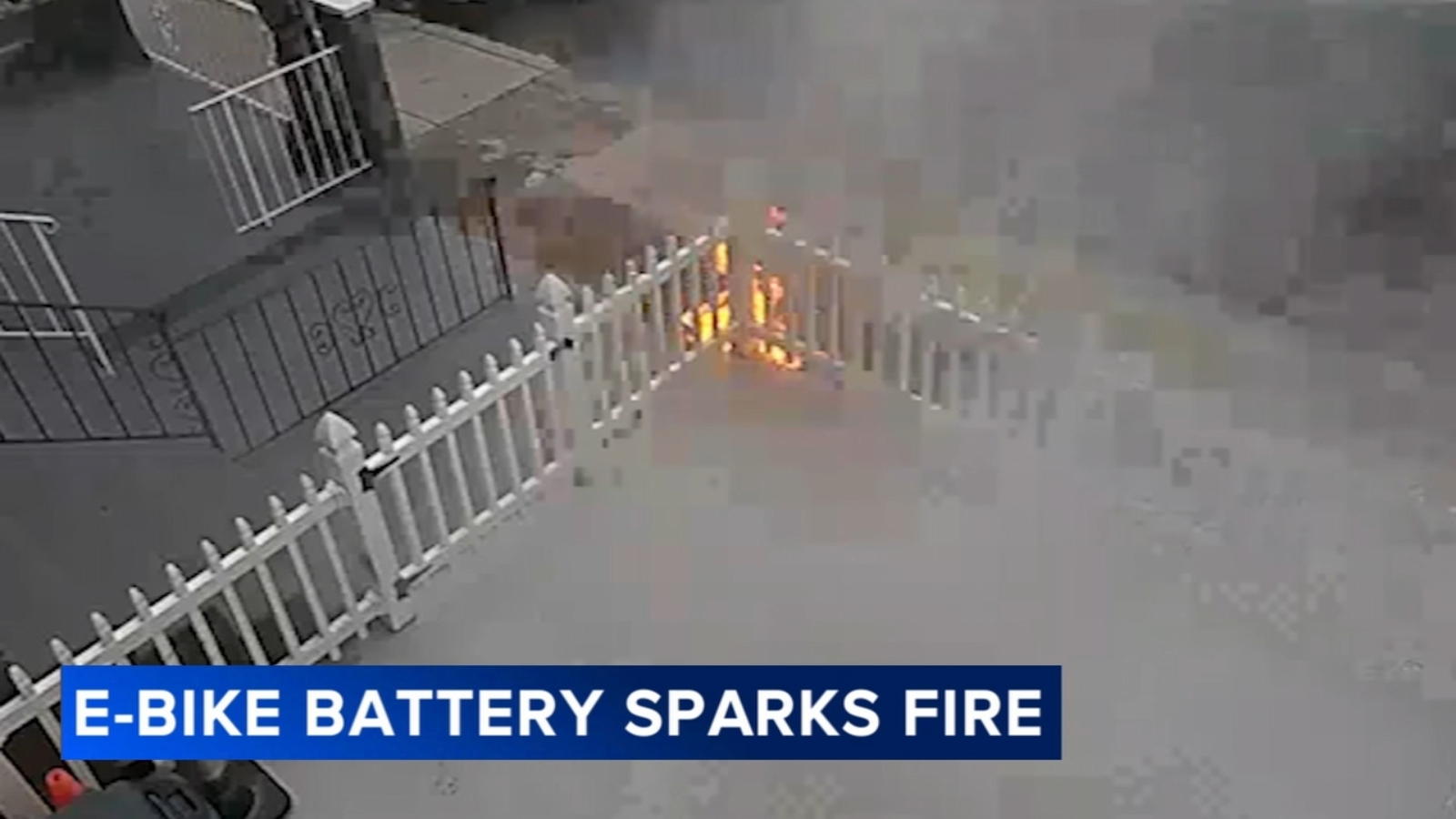
A sudden e-bike battery fire along the 3300 block of B Street in Philadelphia’s Kensington neighborhood left residents shaken and a fence charred after a lithium-ion battery burst into flames in less than two minutes. The dramatic sequence of events, captured on video and recounted by frightened witnesses, is a stark reminder of the very real dangers posed by malfunctioning electric bike batteries. Though no injuries were reported in this particular incident, the terrifying explosion serves as a wake-up call for the millions of e-bike owners across the country who may not fully understand the risks lurking inside their ride.
The Philadelphia Incident: What Happened
According to local reports, the incident unfolded with alarming speed on a quiet residential street. A man riding an e-bike pulled over after the bike’s battery began to smoke. Within moments, the situation escalated from a worrying hiss to a full-blown inferno that sent burning debris flying in every direction.
A Rapid Escalation
One witness who spoke with local Philadelphia news crews described the chaotic scene. She recalled seeing the rider attempt to handle the smoking battery, only to discover it was far too hot to touch. The moment the battery hit the ground, the situation turned catastrophic.
“He tried to grab the tank, but it was too hot. When he dropped it, that’s when the fire started; it exploded. It kept going. Things were just flying, pieces all on fire,” the woman said.
That account aligns with what fire safety experts have been warning about for years. A lithium-ion battery fire does not behave like an ordinary fire. Once thermal runaway begins, the reaction is self-sustaining, generating intense heat and often causing cells to vent, eject, and ignite in rapid succession.
Bystander Accounts
Another neighbor, who witnessed the entire incident from a nearby window, recounted how quickly things spiraled out of control. After rolling down his window to check on the rider, he watched helplessly as the fire intensified beyond anything a regular garden hose could handle.
“Someone driving tried to use my hose to turn the fire off, but it was too strong,” he explained.
Philadelphia firefighters arrived on the scene shortly thereafter and managed to bring the blaze under control. While the fence bore the visible brunt of the damage, the psychological impact on the community was significant. Witnesses described the experience as deeply unsettling, with one emphasizing that the entire event unfolded in the span of roughly two minutes, leaving little time to react.
As of the latest reporting, the precise cause of the battery failure remains under investigation. Investigators have not yet determined whether the battery was charging at the time, whether it had suffered prior damage, or whether a manufacturing defect was to blame.
Understanding E-Bike Battery Fires
The Philadelphia incident is far from isolated. Across the United States, e-bike battery fires have become a growing concern for fire departments, safety regulators, and consumers alike. Understanding why these fires happen is the first step toward preventing them.
What Causes Thermal Runaway
Most e-bikes on the market today are powered by lithium-ion batteries, the same technology found in smartphones, laptops, and electric vehicles. While generally safe under normal conditions, these batteries can enter a state known as thermal runaway when something goes wrong.
Thermal runaway occurs when a battery cell overheats, causing a chain reaction that spreads to adjacent cells. The internal temperature can climb rapidly, sometimes exceeding 1,000 degrees Fahrenheit. This is hot enough to melt metal, ignite nearby combustibles, and produce toxic gases that pose serious inhalation hazards.
Several factors can trigger thermal runaway:
- Manufacturing defects: Flaws in cell construction or assembly can create internal short circuits.
- Physical damage: Dropping the battery or puncturing it can compromise internal components.
- Overcharging: Using the wrong charger or leaving a battery plugged in too long can cause dangerous heat buildup.
- Extreme temperatures: Storing or charging batteries in very hot or very cold environments increases risk.
- Counterfeit or low-quality batteries: Off-brand batteries that don’t meet safety standards are a major contributor to incidents.
Why These Fires Spread So Quickly
What makes a lithium-ion battery fire particularly terrifying, as the Philadelphia witnesses can attest, is the speed and violence with which it develops. Unlike a slow-building house fire, a battery fire can erupt from a seemingly stable device in seconds.
When a battery enters thermal runaway, pressurized gases vent from the cells, often producing a characteristic hissing or popping sound. These gases are highly flammable. When they ignite, the result is a jet-like flame that can launch burning debris several feet in every direction. This explains the witness’s account of “pieces all on fire” flying through the air.
The Growing Concern in Philadelphia and Beyond
Philadelphia, like many major American cities, has experienced a surge in e-bike adoption over the past several years. Delivery workers, commuters, and recreational riders have all embraced electric bikes as a convenient and eco-friendly transportation option. Unfortunately, this growth has been accompanied by a corresponding rise in battery-related fires.
Fire departments across the country have reported similar trends. New York City’s FDNY, for example, has linked dozens of fatalities to lithium-ion battery fires in recent years, with most incidents involving e-bikes and e-scooters. Boston, San Francisco, and Chicago have all issued public warnings about the dangers of improper battery handling.
The Philadelphia Fire Department has joined these efforts, urging residents to follow manufacturer guidelines for charging, storage, and maintenance. The Kensington incident, though resolved without injuries, reinforces why these warnings matter.
E-Bike Battery Safety Tips
The good news is that most e-bike battery fires are preventable. By following a few simple precautions, riders can dramatically reduce their risk of experiencing a thermal runaway event.
Charging Best Practices
- Always use the charger that came with your e-bike or a manufacturer-approved replacement.
- Never leave a battery charging unattended, especially overnight or while you are away from home.
- Avoid charging immediately after a ride when the battery is still hot.
- Charge in a dry, room-temperature location away from direct sunlight and flammable materials.
- Unplug the battery once it reaches a full charge.
Storage Recommendations
- Store batteries at room temperature whenever possible.
- Keep batteries away from heat sources and out of direct sunlight.
- Avoid storing batteries in cluttered areas where they could be damaged or punctured.
- Do not store batteries in hallways, stairwells, or near exits where a fire could block escape routes.
- If you will not be using the battery for an extended period, store it at around 50% charge.
Recognizing Warning Signs
Being alert to early warning signs can give you precious seconds to act before a fire develops. Watch for:
- Unusual heat emanating from the battery during use or charging
- Strange odors, particularly a sweet or chemical smell
- Visible swelling, bulging, or deformation of the battery casing
- Hissing, popping, or whistling sounds
- Sudden power loss or inconsistent performance
If you notice any of these warning signs, stop using the battery immediately and contact the manufacturer or a qualified technician for guidance.
What To Do If an E-Bike Battery Fire Occurs
If a battery does catch fire, traditional firefighting methods often prove inadequate, as the Kensington witness discovered when his garden hose could not contain the blaze. Lithium-ion battery fires generate their own oxygen, making them extremely difficult to smother.
If you encounter an e-bike battery fire:
- Move away immediately. The fire can spread and explode without warning.
- Call 911. Even small battery fires can rapidly escalate.
- Do not use water on a large battery fire. Water can react with lithium and release flammable hydrogen gas. Let trained firefighters handle the situation.
- Alert neighbors. Burning battery pieces can travel significant distances and ignite secondary fires.
- Do not inhale the smoke. Battery fires produce toxic fumes that can cause serious respiratory harm.
Conclusion
The Philadelphia e-bike battery fire is a powerful illustration of how quickly a routine ride can turn into a life-threatening emergency. While no one was hurt in this particular incident, the witnesses’ accounts of flying, burning debris and an uncontrollable blaze underscore the importance of taking battery safety seriously.
E-bikes offer tremendous benefits, from reducing traffic congestion to providing affordable transportation, but those benefits come with responsibilities. By purchasing quality batteries, following proper charging and storage procedures, and staying alert to warning signs, riders can continue to enjoy their e-bikes while minimizing the risk of a devastating fire. If you own an e-bike, take a few minutes today to inspect your battery, confirm you are using the correct charger, and review your home charging setup. A small amount of caution now could prevent a catastrophe later.