
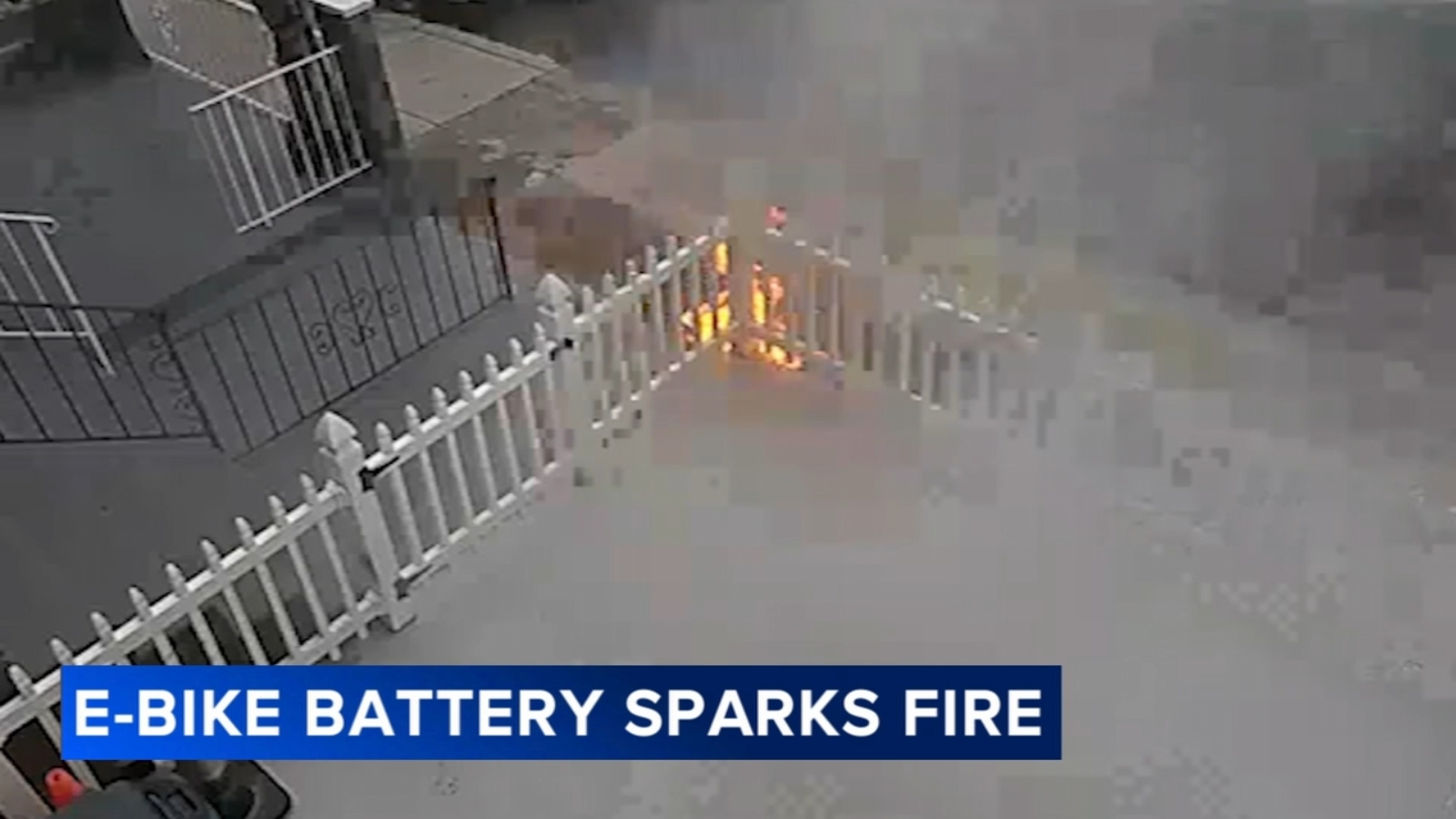
A shocking e-bike battery fire recently unfolded along the 3300 block of B Street in Philadelphia’s Kensington neighborhood, leaving residents shaken and a fence charred. In less than two minutes, a battery on a parked electric bike went from smoking to exploding, sending fiery debris flying and forcing witnesses to scramble for safety. While no injuries were reported in this particular incident, the rapid and violent nature of the blaze has reignited urgent conversations about lithium-ion battery safety across the country.
This comprehensive guide examines what happened on that Philadelphia street, explores why e-bike batteries catch fire in the first place, and offers practical advice for riders and bystanders alike.
What Happened on B Street?
Eyewitnesses described a scene that unfolded with terrifying speed. According to reports from WPVI, a man stopped with his e-bike on the 3300 block of B Street when the battery suddenly began to smoke. Within moments, the situation escalated dramatically.
One witness recalled rolling down her car window to check on the rider after noticing the smoke. Before anyone could intervene, the battery overheated beyond the point of safe handling. The man reportedly tried to grab the battery but found it too hot to touch. When he dropped it onto the ground, the impact triggered a full-blown explosion.
A Two-Minute Inferno
Video captured at the scene shows the rapid sequence of events: smoke first, then visible flames, and finally a violent burst that scattered burning fragments across the pavement. A nearby witness described pieces of the bike flying through the air while fully engulfed in fire.
A passerby attempted to help by grabbing a garden hose, but the water pressure proved insufficient against the intense chemical fire. It wasn’t until Philadelphia firefighters arrived that the flames were brought under control. By then, the damage had spread to a nearby fence, though thankfully, no one was hurt.
Why Do E-Bike Batteries Catch Fire?
The Philadelphia incident is far from isolated. Across the United States, e-bike battery fire incidents have been rising sharply, prompting warnings from fire departments, consumer protection agencies, and safety regulators. Understanding the science behind these fires is essential for prevention.
The Chemistry of Thermal Runaway
Most modern e-bikes are powered by lithium-ion batteries, which pack tremendous energy into a compact form. However, that same energy density creates risks when something goes wrong. When a lithium-ion battery is damaged, overcharged, or exposed to extreme heat, it can enter a state called thermal runaway.
Thermal runaway is a self-sustaining chain reaction in which the battery’s internal temperature rises rapidly, causing the cells to break down and release flammable gases. These gases ignite, which further raises the temperature and accelerates the breakdown of neighboring cells. The result is the explosive, intensely hot fire witnesses described in Philadelphia.
Why the Fire Spread So Quickly
Once thermal runaway begins, an e-bike battery can reach temperatures exceeding 1,000 degrees Fahrenheit in seconds. The flammable electrolyte inside the cells acts almost like a fuel source, while the battery casing can rupture and spray molten material. This is why traditional firefighting methods , including standard water hoses , often struggle to contain the blaze in its early stages.
Common Causes of E-Bike Battery Fires
Investigators have yet to determine the precise cause of the Philadelphia e-bike battery fire, but the most frequent culprits in similar incidents include:
- Counterfeit or low-quality batteries: Cheap, uncertified cells often lack proper safety mechanisms like thermal cutoffs and pressure vents.
- Damaged batteries: Drops, crashes, or punctures can compromise the internal structure, making future charging cycles dangerous.
- Improper charging: Using the wrong charger, charging in extreme temperatures, or overcharging can stress the battery.
- Modified electrical systems: DIY modifications to the motor, controller, or battery can introduce serious hazards.
- Manufacturing defects: Even reputable brands occasionally ship products with flaws that only become apparent after months of use.
- Storage issues: Leaving a battery in direct sunlight, near a heat source, or in a freezing environment can degrade its components.
Warning Signs of a Failing Battery
One of the most important lessons from the Kensington incident is that batteries often give warning signs before failing catastrophically. Riders who notice any of the following should stop using the battery immediately:
- Unusual heat: A warm battery during normal use is expected, but one that feels excessively hot is a red flag.
- Swelling or bulging: A puffed-up casing indicates gas buildup inside the cells.
- Strange odors: A sweet, chemical, or burning smell often precedes a fire.
- Hissing or popping sounds: These noises suggest internal pressure or short circuits.
- Visible damage: Cracks, dents, or leaks on the battery housing warrant immediate replacement.
- Reduced range: A sudden drop in how far the bike travels on a charge can signal declining cell health.
Any of these symptoms should be taken seriously. Continuing to charge or use a compromised battery dramatically increases the risk of a catastrophic event.
How to Prevent E-Bike Battery Fires
While no prevention strategy is foolproof, following these best practices can dramatically reduce the likelihood of an e-bike battery fire in your home, business, or neighborhood.
Buy Quality Equipment
Always purchase e-bikes and replacement batteries from reputable manufacturers. Look for products certified by recognized testing laboratories such as UL (Underwriters Laboratories) or ETL. These certifications indicate the battery has passed rigorous safety tests.
Charge Safely
Never charge your e-bike battery overnight or while you’re away from home. Always use the charger that came with the bike or an approved replacement from the manufacturer. Charge on a hard, non-combustible surface , never on a bed, couch, or carpet , and keep the battery away from flammable materials.
Store Batteries Properly
If you live in an apartment or attached home, avoid charging or storing e-bike batteries in common hallways or near exits. In Philadelphia and other major cities, fire codes increasingly restrict where lithium-ion batteries can be charged inside multi-family buildings. Store batteries at room temperature and avoid exposing them to extreme cold or heat.
Inspect Regularly
Make it a habit to inspect your battery before each ride. Look for physical damage, check for unusual smells, and ensure the connections are clean and secure. If anything seems off, take the battery to a qualified technician for evaluation.
Register Your Product
Many manufacturers offer product registration, which ensures you’ll be notified promptly if a recall is issued. Recalls related to e-bike batteries have become more common as the industry matures and safety concerns mount.
What to Do If an E-Bike Battery Catches Fire
The Philadelphia witnesses learned firsthand that an e-bike battery fire can quickly outpace ordinary firefighting efforts. If you encounter a battery fire, here’s what to do:
- Get away immediately. The fire can spread and explode within seconds.
- Call 911 right away. Even small battery fires require professional response.
- Do not use water alone. Water won’t extinguish a lithium-ion battery fire on its own and can even react violently with certain battery chemistries.
- Use a Class D fire extinguisher if available. These are designed for metal and chemical fires and can help control the situation until firefighters arrive.
- Evacuate the area. Toxic fumes from burning lithium-ion batteries are hazardous to breathe.
Firefighters have specialized training and equipment to handle lithium-ion battery fires, including thermal imaging cameras and specialized extinguishing agents. Never assume you can manage a battery fire on your own.
The Bigger Picture: A Growing Safety Crisis
Across the United States, fire departments have reported a sharp increase in lithium-ion battery fire incidents tied to e-bikes, e-scooters, and similar devices. New York City, in particular, has documented dozens of battery-related fires annually, with several resulting in fatalities.
In response, lawmakers and regulators are pushing for stricter standards. Some cities have introduced legislation banning uncertified batteries, while others are working with delivery companies to ensure fleet bikes meet higher safety requirements. The Consumer Product Safety Commission has also launched investigations and issued recalls for specific battery models linked to fires.
What Riders and Communities Can Do
Education is one of the most powerful tools for preventing tragedies. Local fire departments in Philadelphia and beyond have begun offering community outreach programs teaching residents how to recognize battery hazards and respond to fires. Riders, meanwhile, can advocate for safer products by supporting companies that prioritize third-party certification.
Final Thoughts
The e-bike battery fire on B Street in Kensington is a sobering reminder of how quickly a routine moment can turn dangerous. E-bikes offer tremendous benefits , affordable transportation, reduced emissions, and convenient mobility , but those benefits come with responsibilities. Riders must invest in quality equipment, follow safe charging practices, and stay alert to warning signs. Communities and regulators, meanwhile, must continue building the infrastructure and standards needed to keep people safe.
As the Philadelphia witnesses can attest, the difference between a close call and a tragedy can be just a matter of seconds. By taking battery safety seriously, we can all help ensure that the next headline about an e-bike fire is one that ends without harm.