
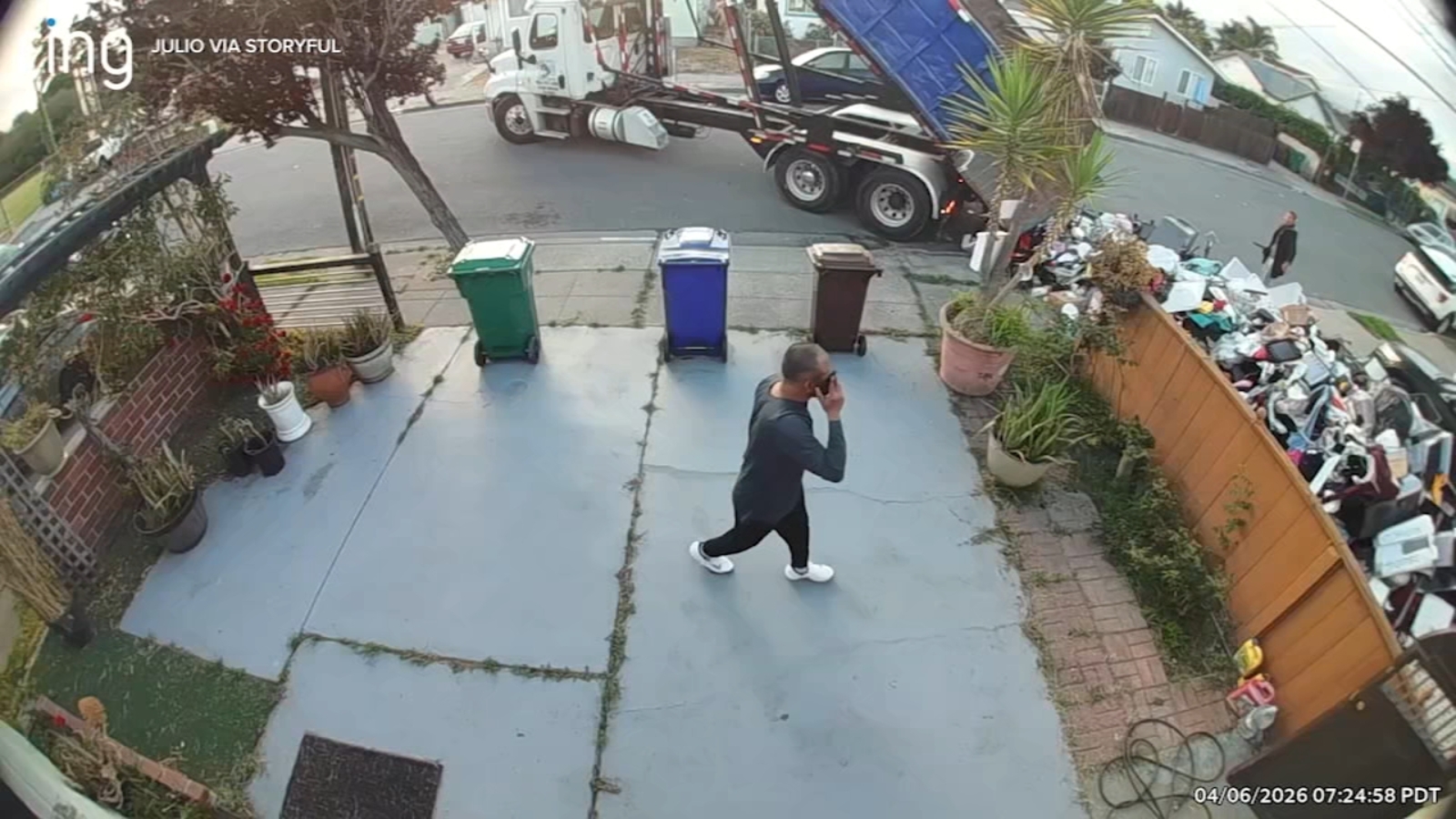
A dumpster payment dispute in San Pablo, California escalated dramatically this month when a local dumpster rental company returned a customer’s debris straight back to the property after the homeowner allegedly left without paying a $700 balance. The unusual scene was captured on a neighbor’s surveillance camera and has since circulated widely across social media, sparking debate over small business rights, consumer responsibility, and the limits of self-help remedies in payment disputes.
The incident has drawn national attention not just because of its visual drama, but because it raises serious questions about how small business owners should handle unpaid bills, what recourse customers have when service providers take matters into their own hands, and how local governments respond when a private disagreement spills onto public space.
How the Dumpster Payment Dispute Unfolded
Martin Perez, the owner of Express Rental Dumpster, told ABC San Francisco affiliate KGO that he spent weeks trying to collect payment from a customer who had rented one of his dumpsters for a home cleanup project. According to Perez, the customer repeatedly promised to settle the outstanding balance but ultimately moved out of the residence before paying the $700 owed.
Perez explained that his attempts to recover the money through normal channels failed. Payment attempts were declined, and the customer became unresponsive. The financial sting was compounded by the fact that transporting and disposing of the debris himself would have cost Perez an additional $1,000 out of pocket.
What frustrated Perez most, he said, was the final gesture left behind by the customer. On top of the unpaid balance, the homeowner allegedly left two $1 bills and a smiley face drawn on the receipt , essentially a mocking taunt rather than a genuine attempt to settle the debt.
“He leave me an invoice, $2 and happy face,” Perez told KGO. “You think that ‘it’s like that,’ right?”
Feeling he had exhausted every reasonable option, Perez dispatched his team to return the debris to the original property, where it remained piled up in the yard for days.
The Surveillance Footage and Community Reaction
The dramatic return of the debris was captured on a neighbor’s home security camera. The video quickly made its way to social media platforms, where it drew millions of views and a flood of mixed reactions. Some viewers sided with Perez, arguing that small business owners have few good options when customers skip out on bills. Others criticized the move as reckless and potentially harmful to the surrounding neighborhood.
The neighbor who recorded the footage spoke to KGO on condition of anonymity but voiced concerns that the situation had evolved beyond a private matter between two parties.
“This is not just between the driver and the neighbor. This started affecting all the community,” the neighbor said, pointing to a nearby creek and park where children regularly play.
As of April 15, the debris had been sitting on the property for nine days, raising health and environmental concerns from those living nearby. Debris piles like these can attract pests, create odor issues, and even wash into local waterways during rainstorms, posing real ecological risks to the broader community.
Legal Implications of the Illegal Dumping Report
San Pablo police confirmed that they received reports about the incident and launched an investigation into what appeared to be an illegal dumping California case. However, after reviewing the circumstances, officers determined that no criminal violation had taken place.
The case was then referred to the city’s code enforcement division, which issued a violation notice addressed to the name listed as the property owner. Under local ordinances, property owners bear responsibility for maintaining their land regardless of who originally dumped materials there , a legal principle that left the homeowner facing potential fines even though they were not the one who returned the debris.
This outcome highlights an important lesson for both renters and homeowners: property owner code violation penalties can apply even when you were not the source of the problem. Failing to clean up debris on your property in a timely manner can result in municipal fines, liens, or other enforcement actions.
The Small Business Owner’s Dilemma
Perez’s story resonates with countless small business owners across the country who struggle with customer non-payment. Unlike large corporations with dedicated legal departments and collections agencies, independent operators often must choose between absorbing losses or taking unconventional action to recover what they are owed.
In this particular case, the dumpster rental dispute cost Perez more than just the unpaid $700. The negative publicity, the time spent dealing with law enforcement and code enforcement officials, and the potential damage to his company’s reputation all represent additional losses that may far exceed the original debt.
Industry experts generally advise small business owners to pursue formal remedies rather than self-help solutions. Options typically include:
- Small claims court: Most jurisdictions allow businesses to file claims for unpaid invoices in small claims court, often without an attorney.
- Collection agencies: While collection agencies typically charge a percentage of recovered funds, they handle the difficult work of pursuing debtors.
- Mechanics liens or contractor liens: In some states, contractors and service providers can place liens on property to secure payment for services rendered.
- Demand letters: A formal attorney-issued demand letter can sometimes prompt payment without the need for litigation.
Perez acknowledged that returning the debris was not a decision he made lightly. In comments to KGO, he expressed regret about the broader impact on the neighborhood while also defending his actions as a last resort.
“I feel bad because I don’t want to cause any issues,” Perez said. “But, sometimes, it’s hard doing this kind of work.”
What Customers Should Know About Waste Collection Disputes
While the dumpster company’s actions in this dumpster payment dispute raised eyebrows, customers also have rights and responsibilities in service agreements. Before signing a rental contract, consumers should be aware of several key considerations related to a typical waste collection dispute:
- Read the fine print: Most dumpster rental agreements include specific terms about payment deadlines, late fees, and consequences for non-payment.
- Document everything: Keep copies of all communications, receipts, and any modifications to the original agreement.
- Communicate proactively: If you anticipate difficulty making a payment, contact the rental company immediately to discuss options. Most businesses would rather work out a payment plan than chase a delinquent account.
- Understand property liability: Even if you rent a property, you may be responsible for conditions on that property at the time of move-out, including debris left behind by service providers.
- Seek legal advice: If you believe a service provider has acted improperly, consult with an attorney about your options for recourse.
The Broader Conversation About Payment Disputes
The San Pablo incident has become a flashpoint in broader conversations about how society handles unpaid bills between private parties. While most agree that customers should pay for services rendered, the question of how businesses can enforce payment , and what limits exist on those enforcement methods , remains contentious.
The fact that law enforcement declined to pursue criminal charges suggests that, at least in this case, the legal system viewed the matter as a civil dispute rather than a criminal act. That distinction matters because criminal charges typically require proof of intent to commit a crime, while civil disputes focus on resolving financial obligations and compensating for damages.
For Perez, the resolution of his unpaid bill small business headache remains uncertain. He has yet to recover the $700 he is owed, and he now faces potential liability for the costs of cleanup, code violation penalties, and any damages claimed by the property owner or the surrounding community. Meanwhile, the customer who allegedly skipped out on the bill has escaped immediate legal consequence but may face ongoing municipal fines related to the debris on the property.
Lessons from the San Pablo Dumping Incident
The San Pablo dumping incident offers a cautionary tale for both sides of the rental equation. For small business owners, it underscores the importance of having solid contracts, clear payment terms, and accessible legal remedies before problems arise. For customers, it serves as a reminder that service agreements are legally binding commitments, and that disputes are best resolved through communication and formal channels rather than avoidance.
Ultimately, situations like this one demonstrate why civil society relies on functioning legal systems to resolve conflicts. When parties take matters into their own hands, the results are often messier, costlier, and more divisive than if they had simply pursued available legal remedies from the start.
As for the debris in San Pablo, the situation remains under investigation by local code enforcement officials. Until the matter is fully resolved, the pile of returned waste serves as a visible reminder of how quickly a simple business transaction can spiral into a community-wide controversy when communication breaks down and payment is left unresolved.