
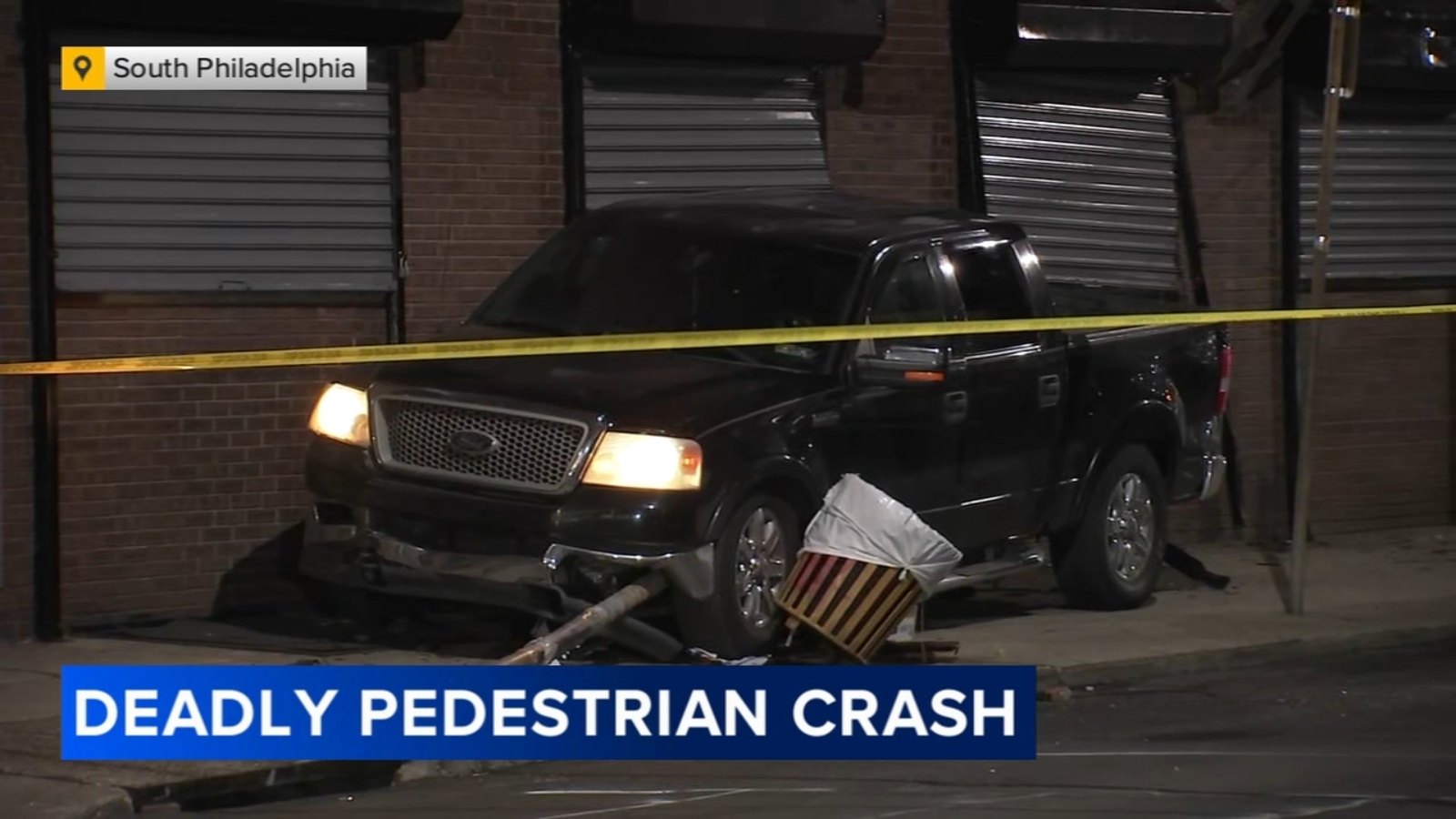
A devastating DUI pedestrian fatality has rocked the South Philadelphia community after a 64-year-old woman lost her life when she was struck by a Ford F-150 on a Saturday evening. The incident, which occurred around 7:30 p.m. on the 2300 block of 7th Street, has reignited urgent conversations about impaired driving, pedestrian safety, and the legal consequences that follow when alcohol and motor vehicles collide with tragic results.
According to local authorities, the driver,a 59-year-old man,first collided with another vehicle before reversing and striking the elderly woman as she stood on the sidewalk. She was rushed to a nearby hospital, where she sadly succumbed to her injuries. The driver was also transported to the hospital for evaluation before being formally arrested and charged with driving under the influence (DUI).
What Happened in the South Philadelphia Crash
The sequence of events leading to this heartbreaking DUI pedestrian fatality underscores how quickly a moment of impaired judgment can spiral into irreversible tragedy. Witnesses and investigators reported that the Ford F-150 first struck another vehicle on the busy South Philadelphia street. Instead of stopping or remaining at the scene, the driver allegedly reversed the pickup truck,striking the woman who was walking on or near the sidewalk.
This pattern of behavior,striking another vehicle and then continuing to maneuver,has drawn significant attention from law enforcement and legal experts. When a driver initially hits one object and then causes additional harm, it raises serious questions about consciousness of guilt, flight intent, and the level of impairment involved.
The victim, identified as a 64-year-old woman, was reportedly a pedestrian with no vehicle to protect her. Pedestrians remain the most vulnerable road users, accounting for a disproportionate share of traffic-related fatalities across the nation.
The Legal Implications of a DUI Pedestrian Fatality
When a DUI pedestrian fatality occurs, the legal consequences for the impaired driver can be severe and multifaceted. In Pennsylvania, where this incident took place, driving under the influence that results in the death of another person can lead to charges ranging from homicide by vehicle while driving under the influence to involuntary manslaughter, depending on the specifics of the case and prior criminal history.
Penalties for causing a fatal DUI crash in Pennsylvania may include:
- Significant prison time, often measured in years rather than months
- Heavy fines and court costs
- Lengthy license suspension or permanent revocation
- Mandatory participation in alcohol treatment programs
- Victim impact panels and community service requirements
- Civil lawsuits brought by the victim’s family
Beyond criminal charges, families who lose loved ones in drunk driving pedestrian accidents often pursue wrongful death civil lawsuits. These civil cases can result in substantial monetary judgments, covering everything from funeral expenses and loss of companionship to pain and suffering damages.
Why DUI Pedestrian Fatalities Continue to Occur
Despite decades of public awareness campaigns, stricter laws, and improved enforcement technology, DUI pedestrian fatalities remain a persistent problem in American cities. Several factors contribute to this ongoing crisis:
Alcohol Impairment and Reaction Time
Even modest alcohol consumption can dramatically reduce a driver’s ability to respond to sudden changes in road conditions. When a pedestrian steps into the roadway or stands near a sidewalk, an impaired driver may lack the cognitive sharpness and physical coordination needed to brake in time. Studies from the National Highway Traffic Safety Administration (NHTSA) consistently show that drivers with a blood alcohol content (BAC) of 0.08%,the legal threshold in all 50 states,are significantly more likely to be involved in fatal crashes than sober drivers.
Urban Street Design and Pedestrian Vulnerability
Densely populated urban areas like South Philadelphia present unique challenges for pedestrian safety. Narrow streets, limited sidewalk space, parked vehicles that obstruct sightlines, and heavy traffic volumes combine to create environments where pedestrian fatalities are more likely to occur. When impaired driving is added to this mix, the risk multiplies exponentially.
The Dangers of Reversing Without Caution
In this particular incident, the driver reportedly reversed after striking another vehicle,a particularly dangerous maneuver. Backup accidents are notoriously deadly for pedestrians because reversing drivers often fail to see people directly behind their vehicles. Adding impairment to this already risky action created the conditions for catastrophe.
The Human Cost of Impaired Driving
Behind every statistic involving a DUI pedestrian fatality is a human story of immeasurable loss. The 64-year-old woman killed in this South Philadelphia incident was likely a mother, grandmother, friend, or neighbor to many in her community. Her life was cut short not by her own choices, but by the reckless decision of another person to get behind the wheel while impaired.
Families left behind by drunk driving fatalities often struggle with grief, anger, and a sense of injustice that can last a lifetime. Victim advocates emphasize that while criminal charges may bring a sense of accountability, they can never truly restore what was taken from these families.
How Communities Can Combat Drunk Driving
Addressing the persistent problem of DUI pedestrian fatalities requires a multi-pronged approach that combines education, enforcement, engineering, and community engagement:
Enhanced Law Enforcement
Targeted DUI checkpoints, saturation patrols, and stricter penalties for impaired driving send a clear message that drunk driving will not be tolerated. Many cities have adopted ignition interlock requirements for convicted DUI offenders, requiring them to pass a breathalyzer test before starting their vehicles.
Improved Pedestrian Infrastructure
City planners can reduce pedestrian fatalities by installing more crosswalks, pedestrian signals, speed bumps, and protected walkways. Better street lighting and traffic calming measures also help protect vulnerable road users from dangerous drivers.
Public Awareness Campaigns
Education remains one of the most powerful tools in preventing impaired driving tragedies. Campaigns that emphasize the real consequences of DUI arrests,the legal penalties, the emotional toll, the lifelong regret,can motivate individuals to make safer choices before getting behind the wheel.
Alternative Transportation Options
Expanding access to ride-sharing services, public transportation, and designated driver programs gives impaired individuals viable alternatives to driving. Many drunk driving fatalities could be prevented if impaired drivers simply chose a safer way home.
Pennsylvania DUI Laws and Pedestrian Victims
Pennsylvania has some of the strictest DUI laws in the nation, particularly when fatalities are involved. The state’s DUI statute includes tiered penalties based on BAC levels and prior offenses, with significantly enhanced penalties when death or serious bodily injury results. Cases involving drunk driving pedestrian accidents often result in felony charges that carry mandatory minimum sentences.
Victims and their families in Pennsylvania also have access to victim compensation programs that can help cover funeral expenses, medical bills, and lost wages. These programs acknowledge that while no amount of money can replace a lost loved one, financial support can ease some of the practical burdens families face in the aftermath of tragedy.
Moving Forward After Tragedy
The South Philadelphia community now faces the difficult work of mourning one of its residents while seeking justice for a senseless loss. As the legal process unfolds for the driver facing DUI charges in connection with this pedestrian fatality, neighbors and advocates are reminded of the importance of vigilance, accountability, and prevention.
Every DUI pedestrian fatality serves as a stark warning about the consequences of impaired driving. Whether through stricter laws, better infrastructure, or cultural shifts in how society views drunk driving, communities must continue working to ensure that no more lives are lost in preventable tragedies.
If you or someone you love has been affected by a DUI pedestrian fatality, reaching out to an experienced personal injury attorney can help you understand your legal rights and pursue the justice your family deserves. Local victim advocacy groups can also provide emotional support and resources during this difficult time.