
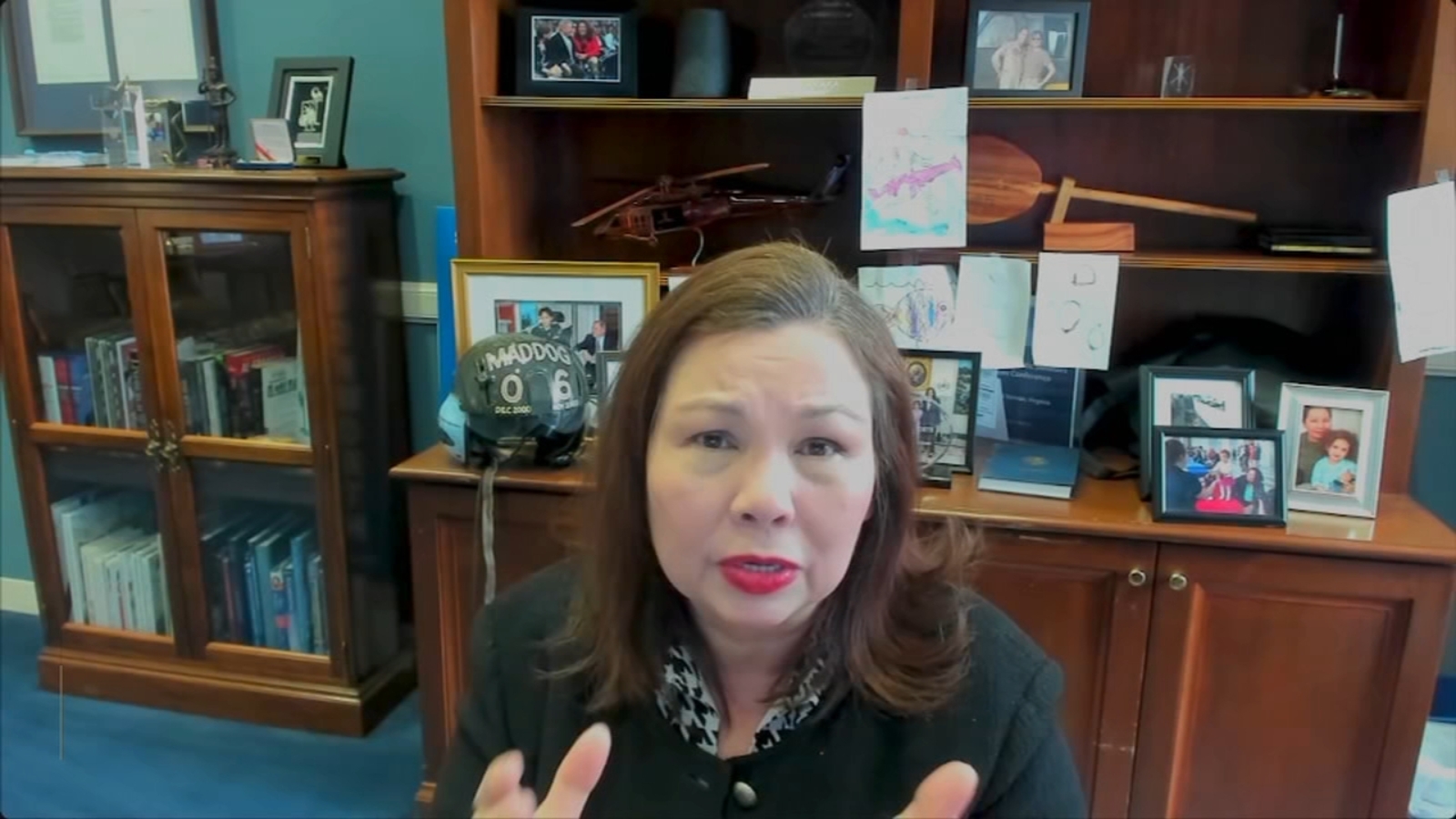
A growing chorus of congressional Democrats is pushing back against what they describe as a deliberate effort by the Pentagon to obscure Iran war casualties from the American public. Senator Tammy Duckworth of Illinois is leading the charge with new legislation that would force the Department of Defense to maintain a single, transparent tally of every service member killed or wounded since the conflict began.
The bill, set to be introduced in the Senate, represents one of the most direct legislative challenges yet to the Trump administration’s handling of military transparency during an active armed conflict. At its core, the legislation targets a recent shift in how the Pentagon categorizes and publicly reports Iran war casualties, a shift that critics say amounts to a deliberate effort to hide the true human cost of the conflict.
Why the Pentagon Changed Its Casualty Reporting
Last month, ABC News revealed that the Defense Department had quietly restructured the way it accounts for American losses in the Iran conflict. Rather than maintaining one running total, the Pentagon began distributing Iran war casualties across a sweeping new bucket labeled “Overseas Operations.” This category encompasses every military death and injury within U.S. Central Command’s area of responsibility since July 7, covering a vast geographic stretch that includes the Middle East, Egypt, and portions of Central and South Asia.
The practical effect is significant. Instead of seeing a single, easy-to-track number that shows how many troops have fallen since fighting began in February, the public now faces a fragmented picture. Earlier casualty figures have been separated from newer ones, making it harder to grasp the war’s cumulative toll at a glance.
When questioned about the changes, acting Pentagon Press Secretary Joel Valdez characterized the shift as a technical adjustment. That explanation has done little to satisfy lawmakers who see something more calculated at work.
The War Powers Connection
Understanding why this accounting change matters requires a closer look at the War Powers Resolution. This foundational piece of legislation places a 60-day cap on presidential military action without explicit congressional authorization. After that window expires, the president must either secure approval from Congress or pull troops back.
The Trump administration has taken the position that Operation Epic Fury, the original name for the Iran war, concluded in May. When daily combat operations resumed on July 7, the administration treated them as a brand-new phase, effectively resetting that 60-day clock. This interpretation has drawn sharp criticism from constitutional scholars and national security experts alike.
Katherine Yon Ebright, a war powers specialist at the Brennan Center for Justice at New York University, pulled no punches when discussing the implications. She explained that the separation between Operation Epic Fury and the new Overseas Operations category appears designed to create a legal fiction that sidesteps congressional war-making authority. While she acknowledged that public casualty databases have always carried inherent limitations, particularly as modern conflicts blur the lines of traditional warfare, she stressed that the current accounting approach raises serious red flags.
Scott Anderson, a senior fellow at the Brookings Institution, offered an even more pointed observation. He noted that American forces have been continuously engaged in hostile situations or facing imminent hostilities near Iran since February 28 without interruption. In his view, this unbroken pattern of engagement is precisely what the War Powers Resolution is designed to address.
What Duckworth’s Bill Would Do
Senator Duckworth’s legislation takes a straightforward approach to the problem. If enacted, the bill would require the Pentagon to consolidate all Iran war casualties into a single, unified count rather than scattering them across multiple categories or operational designations.
Beyond simply combining the numbers, the bill also mandates that next-of-kin of fallen service members receive notification whenever corrections are made to casualty records. That provision reflects a deeply personal motivation for Duckworth, who served as an Army helicopter pilot during the Iraq War. She lost both legs and suffered severe damage to her right arm during combat, experiences that have shaped her fierce commitment to military families and honest casualty reporting.
In an interview with ABC News, Duckworth made her frustration clear. She stated that she has lost confidence in Secretary of Defense Pete Hegseth and the broader Pentagon leadership being straightforward with the American people about the conflict’s true cost.
The bill carries significant Senate support, with sixteen Democratic co-sponsors including Senators Hickenlooper, Van Hollen, Peters, Hirono, Gallego, Bennet, Merkley, Shaheen, Fetterman, Blumenthal, Warren, Kelly, Kim, Baldwin, Alsobrooks, and Schatz.
The Defense Casualty Analysis System Under Scrutiny
At the center of this controversy sits the Defense Casualty Analysis System, the federal government’s authoritative public record of service members killed and wounded in major conflicts. Maintained using casualty reports submitted by each military branch, this database has historically served as the most reliable snapshot of a war’s human cost. For generations, Americans have turned to its numbers to evaluate whether a conflict’s price in blood and treasure has been worth paying.
Separating individual phases of a war into distinct accounting buckets is, by all accounts, unprecedented. This approach makes it significantly more difficult for journalists, researchers, lawmakers, and ordinary citizens to piece together a complete picture of what the conflict has cost in American lives.
As of the morning the bill was set for introduction, 18 U.S. troops had been killed and at least 689 others wounded since the war began in February. Those numbers, already sobering, may understate the true scale if the new accounting framework continues to obscure earlier casualties or future losses.
Congressional Investigations Gain Momentum
The legislative push comes alongside parallel investigative efforts in the House. Democrats on the Committee on Oversight and Government Reform, the chamber’s primary investigative body, have launched their own probe into the Defense Department’s database modifications. They have demanded a comprehensive record of every change made to the casualty tracking system and set a deadline of August 18 for the Pentagon to respond.
Representatives Robert Garcia of California, the ranking Democrat on the Oversight Committee, and Suhas Subramanyam, who serves as the ranking Democrat on the Military and Foreign Affairs Subcommittee, sent a pointed letter to Hegseth warning that the timing of the new “Overseas Operations” category suggests an attempt to circumvent the War Powers Act. Their letter described the possibility that the Defense Department created the new classification to support what they characterized as an illegal effort to continue waging war without proper authorization.
A Striking Lack of Transparency
Beyond the database controversy, the broader pattern of Pentagon communication during this conflict has alarmed press freedom advocates and military observers. The Defense Department has released minimal information about where casualties occurred or the circumstances surrounding them. It has also declined to hold regular press briefings or engage substantively with reporters, an approach that stands in stark contrast to how previous administrations handled significant military campaigns.
Since the Civil War, journalists have routinely embedded with American forces during major conflicts, providing independent accounts of battlefield operations, casualty figures, and the lived experiences of troops in harm’s way. The current Iran campaign has unfolded with unusually limited public visibility. The Pentagon has not held a formal press briefing on the war since early May, a gap that spans multiple months of active combat operations.
Duckworth captured the broader significance of the moment in her interview, noting that the Trump administration has departed from so many established norms of acceptable government behavior that legislation like hers has become necessary. She argued that under any previous president, such a bill would never have been needed, because the underlying actions it addresses simply would not have occurred.
Why Accurate Casualty Counts Matter for Democracy
The fight over Pentagon casualty reporting extends far beyond bureaucratic accounting. Throughout American history, the number of troops killed and wounded has served as the most visceral measure of a conflict’s cost. Those numbers fuel debates in living rooms, statehouses, and congressional chambers about whether military action serves the national interest.
When governments obscure or fragment those figures, they undermine the public’s ability to make informed judgments about whether continued fighting is justified. Transparency in Iran war casualties is not merely a matter of statistical accuracy. It is a cornerstone of democratic accountability and a prerequisite for meaningful congressional oversight of military operations.
Whether Duckworth’s bill can clear the Senate remains uncertain, given the chamber’s current political dynamics. But the legislation signals that Democrats intend to use every available tool to shine light on a conflict that the administration has worked hard to keep in the shadows. For military families awaiting honest answers and for citizens seeking to understand what their nation has sacrificed, that effort carries profound weight.