
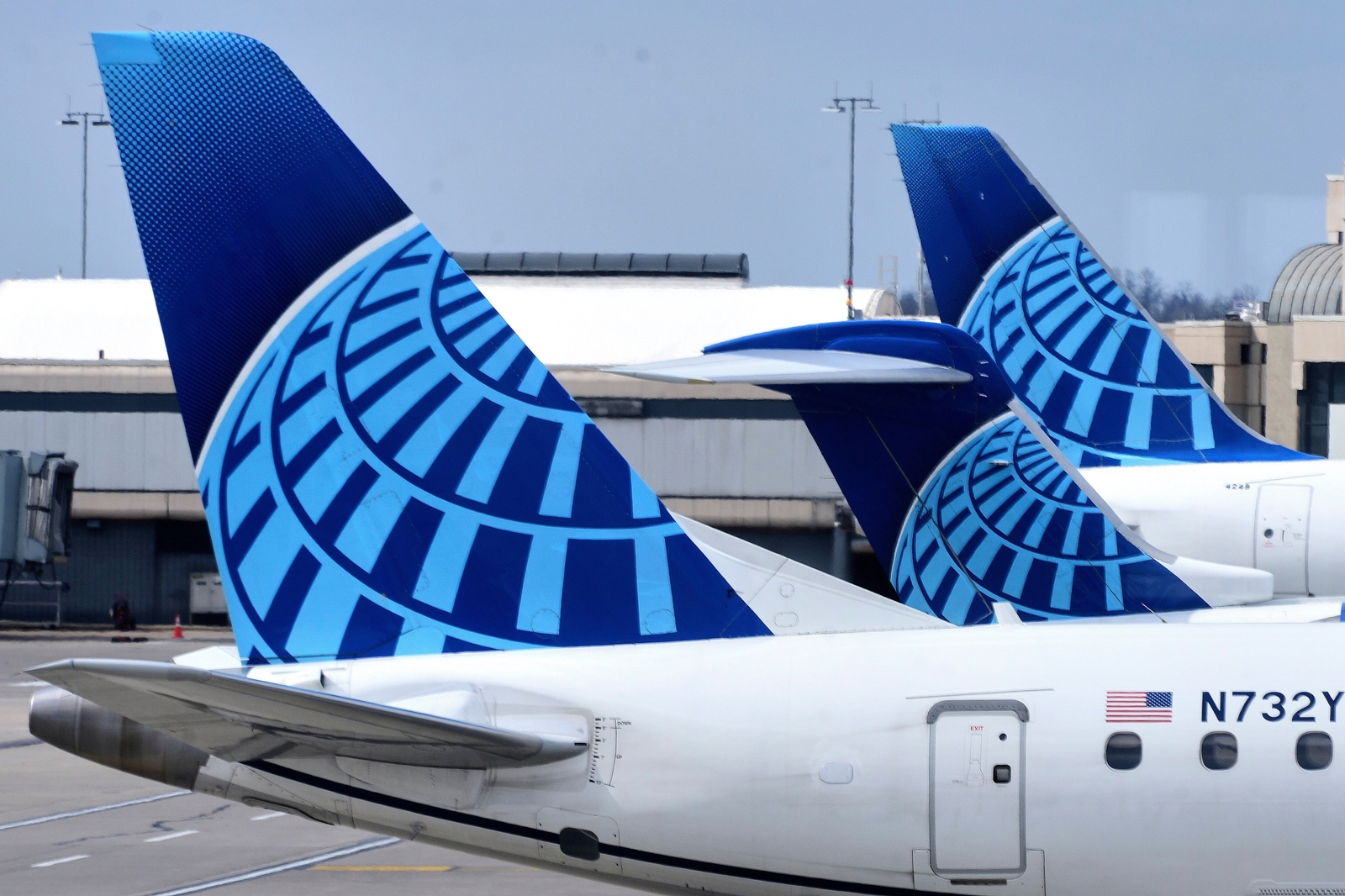
A drone strike San Diego incident has become the focus of a federal aviation investigation after a United Airlines pilot reported that the aircraft struck a drone while approaching San Diego International Airport for landing. The event, which occurred on a Wednesday morning, has reignited concerns about unauthorized drone activity in controlled airspace near major airports and prompted the Federal Aviation Administration (FAA) to launch a formal inquiry.
Flight 1980, operated by United Airlines, had just arrived from San Francisco International Airport when the pilot communicated a startling observation to air traffic controllers at Lindbergh Field. According to the pilot’s radio transmission, the aircraft encountered what appeared to be a red-colored drone at roughly 3,000 to 4,000 feet above the ground, well above the legal altitude limit permitted for unmanned aircraft under federal regulations.
What Happened During the Flight
The incident unfolded during the final approach phase of the flight, specifically on the base leg between navigational waypoints KEEDG and SAIEE. The pilot’s communication with controllers was calm but urgent, detailing the approximate altitude and characteristics of the suspected drone.
“Over to spot one and contact ramp,” the pilot transmitted. “We hit a drone, probably at around 3,000 feet. Yeah, on our base leg between KEEDG and SAIEE. Red drone heading west.”
Despite the reported contact, the Boeing 737 aircraft landed safely at its designated spot. United Airlines confirmed that a postflight inspection of the airliner found no visible damage to the aircraft, providing initial relief to passengers, crew, and airline officials. However, the absence of structural damage does not diminish the seriousness of the incident from a regulatory and safety perspective.
Why the Altitude Matters
One of the most alarming aspects of this drone strike San Diego case is the reported altitude. The FAA permits drone operations only up to 400 feet above ground level in most circumstances, and even then, only in uncontrolled airspace or with specific authorization in controlled zones. A drone observed or struck at 3,000 to 4,000 feet is operating roughly eight to ten times higher than the legal maximum.
This dramatic altitude discrepancy suggests the drone operator was either:
- Deliberately flying in restricted airspace with full knowledge of the violation
- Using a modified or improperly configured drone capable of higher altitudes
- Unaware of federal aviation regulations governing drone operation
- Operating with criminal intent or malicious disregard for safety
Any of these scenarios represents a serious breach of aviation safety protocols and potential criminal conduct under federal law.
The FAA’s Investigation
The FAA drone investigation is now actively underway, with federal officials working to determine the circumstances surrounding the reported strike. Investigators are examining several critical questions:
- Drone identification: Attempts to recover or identify the specific drone involved
- Operator location: Tracing the likely launch point and identifying the operator
- Flight path analysis: Reviewing radar data and air traffic control communications
- Witness statements: Gathering accounts from the flight crew and other pilots in the area
- Physical evidence: Assessing whether any debris or markings confirm the strike
Air traffic controllers at Lindbergh Field issued alerts to other pilots in the vicinity following the pilot’s report. However, no additional drone sightings were confirmed in the immediate aftermath, though the absence of corroborating reports does not mean the strike did not occur.
Punishments for Drone Strikes
Federal penalties for interfering with aircraft operations, including drone strikes, can be severe. Depending on the circumstances and intent, individuals found responsible for a drone strike San Diego-style incident may face:
- Fines up to $250,000 per violation for civil penalties
- Criminal prosecution with potential federal prison time
- Revocation of any drone pilot certificates they may hold
- Restitution requirements for any damages caused
Under 49 U.S.C. § 46318, placing a drone in the path of an aircraft constitutes a federal offense, particularly when it results in contact with the aircraft.
Broader Implications for Aviation Safety
This drone near aircraft incident is not isolated. The past several years have seen a dramatic increase in reports of drones operating in restricted airspace, particularly around major commercial airports. San Diego International Airport, one of the busiest single-runway airports in the United States, sits in a densely populated region where drone use has surged alongside consumer adoption.
Aircraft engines, windshields, and fuselage components are particularly vulnerable to drone strikes. Even small consumer drones can cause catastrophic damage if ingested into a jet engine or shatter a cockpit windshield at high speeds. The catastrophic potential of such collisions has prompted the FAA to develop specialized drone detection systems at several major airports across the country.
The Growing Drone Threat
Industry data consistently shows that unauthorized drone activity near airports has been trending upward. Contributing factors include:
- Increased drone affordability: Consumer drones are now widely accessible at price points under $500
- Enhanced drone capabilities: Modern drones can fly faster, higher, and farther than earlier generations
- Insufficient public awareness: Many operators remain unaware of airspace restrictions
- Limited enforcement resources: Catching violators in real-time remains challenging
Incidents like the drone strike San Diego case serve as sobering reminders of why drone altitude regulations exist and why compliance matters. A drone striking an aircraft at landing approach speeds can result in damage equivalent to a bird strike of much larger proportions.
United Airlines’ Response
United Airlines has cooperated fully with the FAA investigation. Following the pilot’s report and the subsequent postflight inspection confirming no aircraft damage, the airline emphasized its commitment to safety protocols and reporting procedures. The Boeing 737 involved in the incident was cleared to return to service after inspection.
The pilot’s decision to immediately report the suspected strike demonstrates the professionalism expected of commercial flight crews. By communicating precise altitude data, directional information, and visual characteristics (the red coloration), the crew provided investigators with valuable leads to pursue.
Pilot Reporting Standards
Commercial pilots are trained to report any anomalies during flight, including potential drone encounters. These reports serve multiple purposes:
- Alerting other aircraft in the vicinity to potential hazards
- Triggering ground-based investigations by the FAA
- Building a database of drone incursion trends
- Supporting enforcement actions against violators
The thoroughness of the United pilot’s report in this case is likely to strengthen the FAA’s investigation and any subsequent enforcement actions.
What Travelers and Drone Operators Should Know
For air travelers, this San Diego drone incident serves as a reminder that aviation safety depends on countless factors, including responsible drone operation. While the absence of damage and injuries in this case is fortunate, the next incident may not end so harmlessly.
For drone operators, the message is unequivocal: know the airspace before you fly. Tools like the FAA’s B4UFLY app, LAANC (Low Altitude Authorization and Notification Capability), and official sectional charts provide real-time information about where drone flight is permitted. Flying anywhere near an airport’s airspace without authorization is both illegal and potentially catastrophic.
Residents near San Diego International Airport, particularly those living under or near the aircraft approach corridors, should also be aware of the incident. Any witnesses who may have observed drone activity in the area around the time of the strike are encouraged to contact the FAA or local law enforcement with information.
Looking Ahead
The FAA drone investigation into the San Diego incident will likely take weeks or months to complete. Investigators must determine whether the pilot’s report can be substantiated, identify the drone involved, and pursue any appropriate enforcement actions. Even without physical evidence recovered from the aircraft, the pilot’s testimony and air traffic control records provide a foundation for potential prosecution.
As drone technology continues to evolve and become more accessible, incidents like this one will test the effectiveness of existing regulations and enforcement mechanisms. The aviation industry, regulators, and drone manufacturers all share responsibility for ensuring that the rapid growth of unmanned aircraft does not compromise the safety of manned aviation.
Conclusion
The reported drone strike San Diego incident involving United Airlines Flight 1980 represents a serious violation of airspace regulations and a potential threat to aviation safety. While the Boeing 737 and its occupants emerged unharmed, the event underscores the critical importance of responsible drone operation and robust enforcement of existing airspace rules. As the FAA continues its investigation, this case will likely become another data point in the ongoing effort to balance the benefits of drone technology with the non-negotiable requirements of aviation safety. For now, travelers can take comfort in the swift landing and clean inspection, but the broader message remains clear: the skies are shared space, and every operator bears responsibility for keeping them safe.