
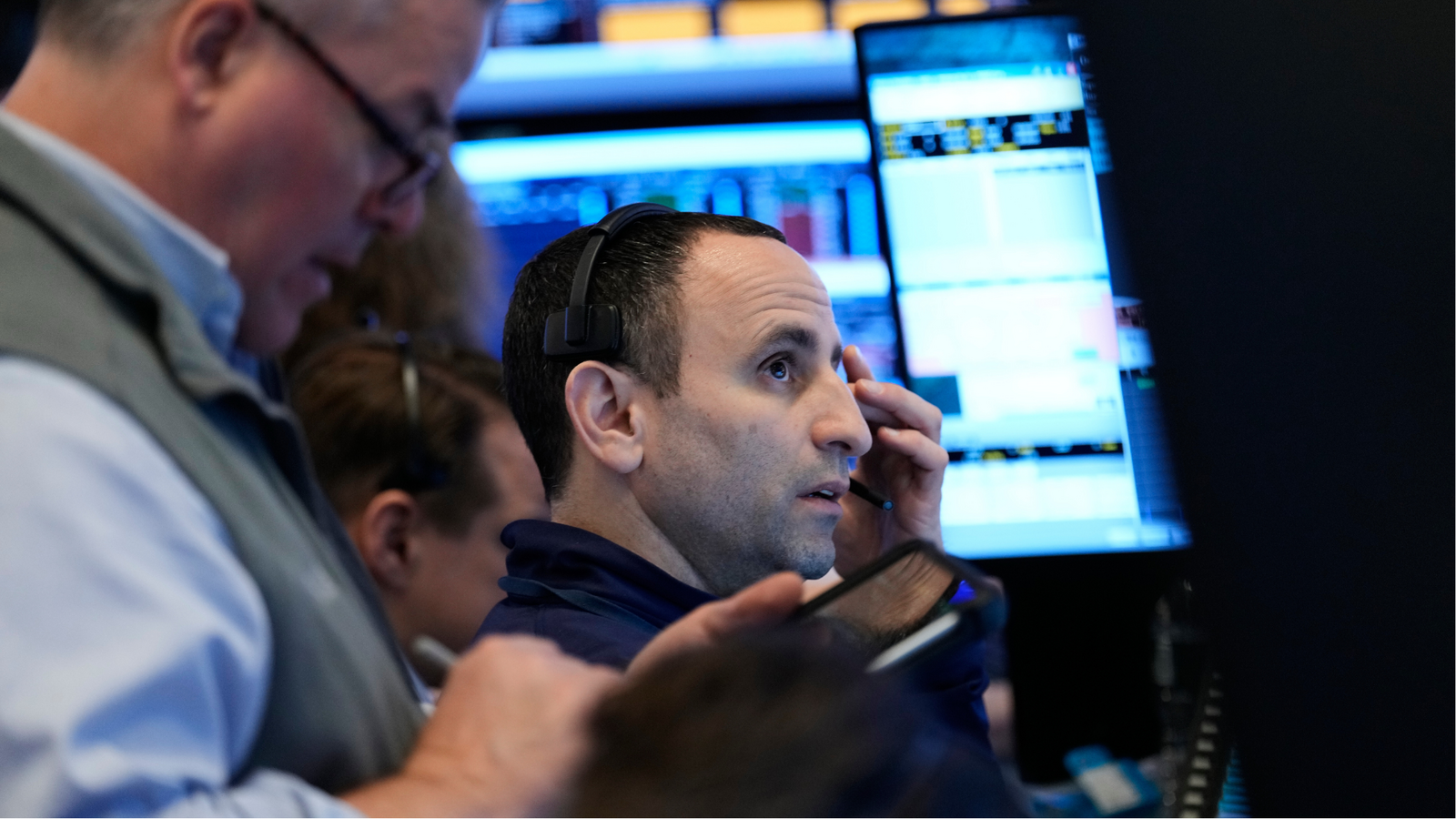
The financial world experienced another turbulent session on Thursday as a sweeping stock market selloff erased Wednesday’s modest recovery. The Dow Jones Industrial Average plunged 785 points, closing down 1.61%, while broad-based fear spread across equities. The selling pressure reflected mounting anxieties over a widening U.S.-Israeli conflict with Iran, surging crude prices, and the prospect of a prolonged disruption in one of the world’s most critical energy chokepoints. Investors scrambled to reposition portfolios, and bond markets flashed warning signs of deeper economic instability ahead.
Major Indexes Reverse Course After Brief Relief Rally
Wednesday’s optimism proved short-lived. After staging a tentative rebound earlier in the week, the three major U.S. stock benchmarks gave back all of those gains,and more,on Thursday. The Dow Jones Industrial Average led the decline with its sharpest single-day drop in weeks. The S&P 500 slid 0.57%, while the tech-heavy Nasdaq Composite slipped 0.26%, reflecting modest declines in megacap technology names that had been propping up broader sentiment.
The reversal underscores how fragile market psychology has become amid geopolitical brinkmanship. Traders who had stepped in to buy Wednesday’s dip largely exited positions once headlines confirmed that the conflict had escalated rather than de-escalated. Equity futures had already pointed to weakness in pre-market trading, and that cautious tone carried through the entire session as portfolio managers weighed worst-case scenarios involving a potential blockade of the Strait of Hormuz.
Oil Prices Surge Past $79 on Hormuz Disruption Fears
Energy markets absorbed much of the shock. U.S. crude oil prices climbed above $79 per barrel on Thursday, reaching their highest level since June. The rally was fueled by trader concerns that Iran or its allies could attempt to choke off shipping through the Strait of Hormuz, a narrow waterway through which roughly one-fifth of the world’s crude oil flows daily. Any sustained interference would ripple across global supply chains, affecting everything from jet fuel to plastics to agricultural fertilizers.
The price action extended beyond crude. American motorists saw gasoline prices jump to a national average of $3.25 per gallon, a surge of nearly 9% in just one week, according to AAA data. Diesel costs also climbed sharply, raising the prospect of higher transportation expenses for nearly every consumer good. Trucking operators, airline carriers, and agricultural shippers all face squeezed margins if the upward trend continues.
Trump’s Intervention Offers Glimmer of Market Stability
Equities found a floor after President Donald Trump took to social media with a dramatic pledge of federal support. In a widely circulated post, the President announced that the U.S. government would provide “political risk insurance and guarantees for the Financial Security of ALL Maritime Trade.” He added that the United States Navy would “begin escorting tankers through the Strait of Hormuz, as soon as possible” if circumstances demanded it.
The message helped calm jittery traders, at least temporarily. By committing federal resources to underwrite shipping risk, the administration signaled that disruptions to energy flows would not be tolerated. Naval escorts, while militarily complex, also imply that the U.S. is willing to defend commercial traffic directly, a posture that historically discourages Iranian harassment of tanker traffic.
Treasury Yields Climb as Inflation Fears Build
Bonds sent a concurrent warning. U.S. Treasury yields rose meaningfully on Thursday, with the benchmark 10-year note climbing as investors demanded higher compensation to lend to the federal government. The mechanics of this move matter for everyday Americans: when inflation expectations rise, the fixed coupon payments on existing bonds lose purchasing power. To offset that erosion, bond prices fall and yields rise.
The yield climb suggests traders are increasingly worried about the inflationary impact of higher oil and gas prices spilling into food, clothing, manufacturing, and services. If energy costs remain elevated for an extended period, the Federal Reserve may find it harder to cut interest rates, as rate reductions typically aim to stimulate demand but could exacerbate price pressures in this environment.
Why the Strait of Hormuz Matters for Everyday Investors
Although the Strait of Hormuz may sound like a distant geopolitical footnote, it functions as the global economy’s most vital energy artery. Iran sits on the northern shore, while Oman anchors the southern coast. The narrowest passage measures only about 21 miles wide, with shipping lanes on either side covering just two miles each. Roughly 20% of the world’s petroleum passes through daily, along with significant volumes of liquefied natural gas.
Any disruption would cascade through the global economy almost immediately. Oil refiners would scramble for alternative supplies, driving prices even higher. Shipping insurance premiums would spike, adding hidden costs to nearly every imported product. Central banks would face a credibility test, balancing growth concerns against inflation risks. Markets, in turn, would price in heightened volatility premiums,a phenomenon already evident in the Thursday selloff.
The Geopolitical Backdrop: A Rapidly Escalating Conflict
Investor anxiety traces back to a weekend of military escalation. The U.S. and Israel conducted coordinated strikes against Iranian assets, marking a dramatic intensification of tensions that had been simmering for months. Iran has signaled retaliation, raising the prospect of a multi-front conflict that could draw in regional proxies including Hezbollah, the Houthis, and Iraqi militias.
Such developments complicate the calculus for American policymakers. Direct retaliation against U.S. assets in the Middle East, or against commercial shipping, would test the credibility of recent White House assurances. Markets dislike uncertainty above all else, and the absence of clear diplomatic off-ramps keeps risk premiums elevated.
Sector Winners and Losers in the Selloff
Not every corner of the market suffered equally. Defensive sectors traditionally outperform during periods of geopolitical turmoil, and this session was no exception. Utilities and consumer staples typically hold up better than cyclical sectors like industrials, financials, and consumer discretionary. Energy producers, including major integrated oil companies and refiners, often thrive when crude prices spike, although elevated input costs can eventually squeeze downstream margins.
Technology stocks, despite the Nasdaq’s relatively modest decline, faced their own headwinds. Higher Treasury yields reduce the present value of future cash flows, disproportionately impacting growth-oriented companies whose valuations depend on distant earnings. Semiconductors and software names with significant overseas exposure also face additional pressure from a potentially strengthening dollar,an outcome often associated with global crises.
What to Watch in the Days Ahead
Looking forward, several indicators will shape the trajectory of the stock market selloff. First and foremost, oil prices remain the most immediate barometer of geopolitical risk. Any sustained move above $85 per barrel would likely intensify selling pressure across equities. Conversely, a meaningful de-escalation,or visible Iranian restraint,could trigger a sharp relief rally.
Second, the bond market’s reaction bears close monitoring. The recent climb in Treasury yields suggests traders are recalibrating inflation expectations. If yields continue rising rapidly, borrowing costs for mortgages, corporate debt, and auto loans could climb, dampening consumer spending and corporate investment.
Third, central bank communication will carry outsized importance. The Federal Reserve’s next policy decision could either reassure or unsettle markets, depending on how officials characterize the inflation outlook amid oil-driven price pressures. Rate cuts may already be off the table for 2026 if the energy shock persists, a significant shift from expectations just weeks ago.
Investor Strategies During Market Volatility
Periods like these test discipline. Long-term investors often benefit from maintaining a balanced allocation rather than reacting emotionally to daily headlines. Rebalancing toward target allocations, contributing fresh capital during drawdowns, and avoiding the temptation to sell at the bottom are time-tested principles. Meanwhile, traders with shorter time horizons should be mindful of elevated implied volatility, which can make options strategies both more expensive and more lucrative.
Dollar-cost averaging,automatically investing fixed amounts at regular intervals,remains a powerful tool for investors who lack the time or expertise to time the market. By spreading purchases across time, investors reduce the risk of committing capital at a momentary peak.
Conclusion
Thursday’s stock market selloff serves as a stark reminder that geopolitical shocks can emerge with little warning and ripple far beyond their point of origin. The 785-point drop in the Dow, the surge in crude oil above $79 per barrel, and the climb in Treasury yields all reflect a market recalibrating rapidly to a dangerous new reality. While President Trump’s pledges of federal insurance and possible naval escorts provided a temporary reprieve, the underlying tensions in the Strait of Hormuz remain unresolved. Investors should prepare for continued volatility in the sessions ahead, while remembering that selloffs,however painful,have historically created opportunities for those with patience, discipline, and a long-term perspective.