
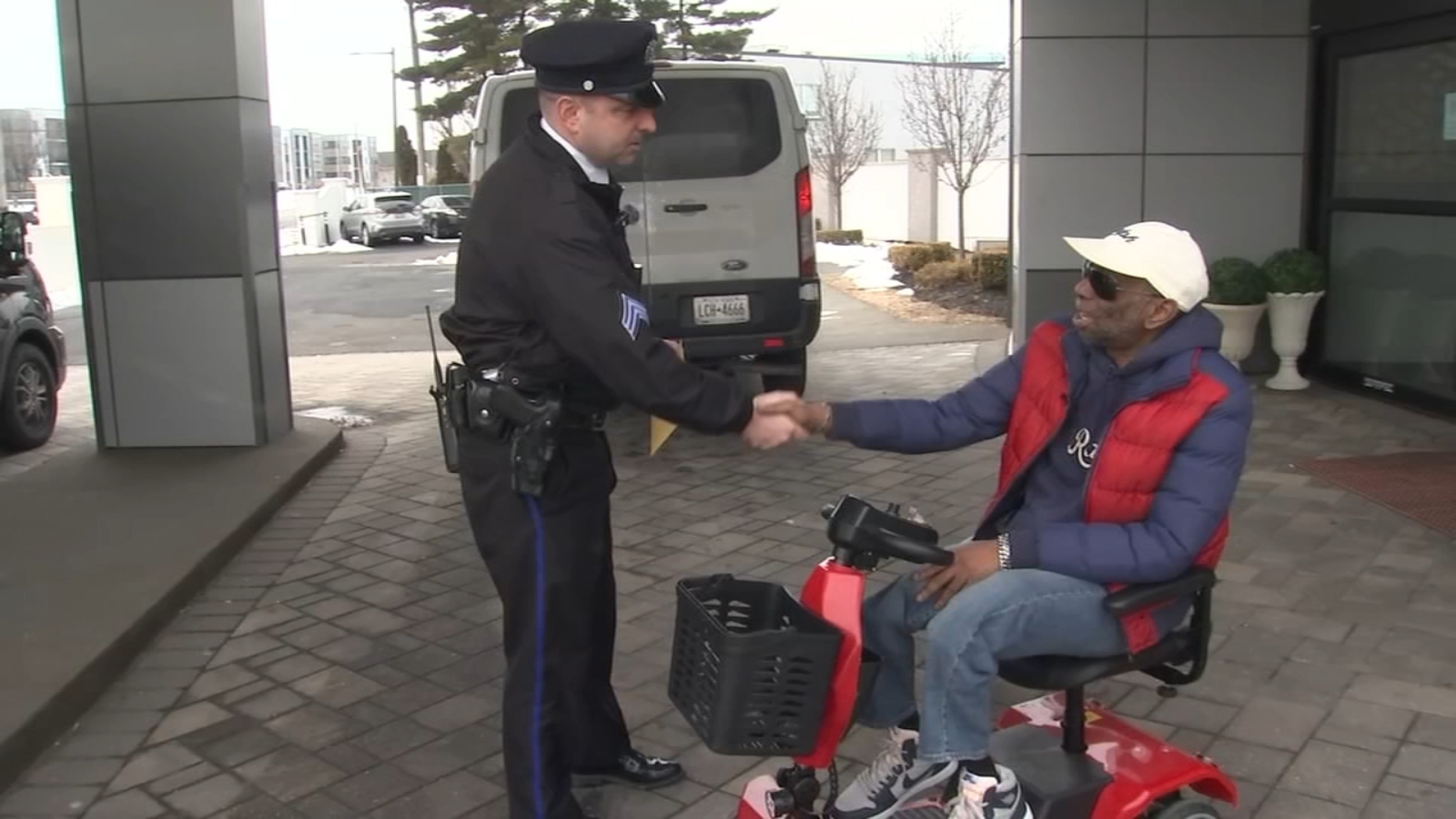
In a moment that captured hearts across the nation, a remarkable double amputee rescue unfolded in Philadelphia when Police Sergeant Joseph Boyle climbed 12 stories and carried Ralph Duy down a smoke-filled stairwell to safety. The powerful reunion between the two men has since become a testament to human courage, community, and the critical importance of accessible emergency response for all individuals.
The Night That Changed Everything
It was an ordinary October evening at the Holiday Inn on Penrose Avenue in South Philadelphia when disaster struck. Ralph Duy, who uses a wheelchair due to being a double amputee, was attending a conference specifically designed for people who have experienced amputations. He was staying on the 12th floor when fire alarms pierced the night, and the building’s elevators automatically shut down.
As guests scrambled down stairwells and emergency crews began their coordinated response, one critical reality became clear: Ralph could not evacuate independently. The situation escalated quickly, with smoke and flames making every passing minute more dangerous. That’s when Sergeant Joseph Boyle stepped forward, volunteering to climb 12 stories to reach the man who needed help.
Why This Rescue Mattered Beyond the Headlines
The double amputee rescue wasn’t simply a story about physical strength,it highlighted the unique challenges that people with mobility impairments face during emergencies. Buildings constructed without adequate evacuation plans for disabled individuals can quickly transform from safe havens into dangerous traps when standard evacuation routes become unavailable.
Ralph’s case underscores a growing concern in emergency preparedness circles: how do we ensure that every individual, regardless of physical ability, has a viable path to safety during a crisis? His experience at a hotel hosting a conference for amputees made this question particularly poignant.
The Climb: Sergeant Boyle’s 12-Floor Mission
Sergeant Boyle’s ascent through 12 floors of a burning high-rise represents one of the most physically demanding rescue scenarios imaginable. Carrying an adult man down a stairwell requires not just upper body strength, but also careful navigation of narrow turns, potential smoke inhalation, and the constant risk of structural compromise.
Emergency stairwells in high-rise buildings present unique challenges even for able-bodied individuals. The cumulative fatigue from climbing multiple flights, combined with the psychological pressure of knowing lives hang in the balance, makes this type of high-rise fire rescue one of the most demanding tasks in emergency response.
Coordination Between Multiple Agencies
While Sergeant Boyle’s individual heroism captured public attention, the rescue was part of a larger, coordinated effort. The Philadelphia Fire Department managed the active fire suppression, while police officers handled evacuation assistance and crowd control. This multi-pronged approach is standard protocol for major incidents in urban environments, and it allowed specialized personnel like Boyle to focus on the most vulnerable individuals.
The successful hotel fire evacuation demonstrates how critical interagency cooperation becomes during large-scale emergencies. Each responder plays a specific role, and the ability to adapt quickly to unexpected challenges,like a double amputee stranded on the 12th floor,often determines outcomes.
The Reunion: Gratitude and Reflection
Months after the harrowing night, Ralph Duy and Sergeant Boyle came face to face again in an emotional reunion that reaffirmed the bond forged in crisis. Looking directly at the officer who had carried him to safety, Ralph expressed his overwhelming gratitude with simple but powerful words: “I just thank God for you. I really do.”
That moment of connection between rescuer and rescued illustrates something fundamental about emergency response work. While training and physical capability matter enormously, the human element,the willingness to risk oneself for a stranger,remains the heart of every successful rescue operation.
Lessons in Accessibility and Emergency Preparedness
One of the most significant takeaways from this double amputee rescue is the urgent need for improved accessibility standards in emergency planning. Ralph’s experience revealed several gaps that, if left unaddressed, could put other individuals with disabilities at risk:
- Inadequate evacuation equipment: Many older buildings lack evacuation chairs, slides, or other specialized equipment designed for individuals who cannot navigate stairs independently.
- Limited staff training: Hotel and building staff are often not trained in assisted evacuation techniques for guests with mobility impairments.
- Communication barriers: Emergency communication systems don’t always account for individuals who may need additional assistance or different alert methods.
- Conference and event planning: Events held at venues should include accessibility-specific emergency protocols when attendees with disabilities are expected.
Ralph specifically noted that his experience underscores the importance of accessible and safe accommodations for all people, regardless of physical ability. His advocacy highlights how emergency preparedness must evolve alongside our understanding of inclusivity.
The Broader Impact of Heroic Acts
Stories like this Philadelphia police rescue serve multiple purposes in our society. Beyond the immediate life-saving event, they inspire conversations about community responsibility, disability rights, and the everyday heroism of first responders. Sergeant Boyle’s actions remind us that police work extends far beyond traditional law enforcement,officers frequently serve as first responders in situations requiring medical knowledge, physical capability, and split-second decision-making.
For the broader disability community, Ralph’s survival and public reunion offer both celebration and concern. While celebrating the outcome, advocates continue pushing for systemic changes that would make such dangerous rescue scenarios less common in the first place.
How Buildings Can Improve Emergency Evacuation for All
Modern building codes are evolving to address these very concerns, but implementation remains inconsistent across the country. Several improvements could help prevent future emergencies from becoming life-threatening for disabled occupants:
- Refuge areas: Designated safe waiting areas on each floor where individuals unable to evacuate can await specialized assistance.
- Evacuation chairs and equipment: Stairwell-compatible chairs designed to carry people with disabilities down multiple flights safely.
- Two-way communication systems: Emergency phones or intercoms in refuge areas that allow individuals to communicate directly with rescue personnel.
- Regular drills: Practice evacuations that specifically include scenarios involving guests with various disabilities.
- Personal emergency evacuation plans: Pre-registration systems that allow hotels and venues to know which guests may need additional assistance.
Personal Emergency Preparedness for People with Disabilities
While systemic improvements are essential, individuals with mobility impairments can also take proactive steps to improve their safety during emergencies. The lessons from this double amputee rescue extend to personal preparation strategies that everyone should consider:
- Hotel selection: When possible, choose accommodations on lower floors to reduce evacuation complexity.
- Emergency notification: Inform hotel staff of any mobility limitations upon check-in so they can incorporate this information into emergency protocols.
- Floor plan familiarity: Upon arrival, identify the nearest stairwell, refuge area, and emergency exits.
- Communication devices: Keep a charged phone accessible at all times, particularly during overnight hours.
- Travel companions: When attending conferences or traveling, identify individuals who can provide assistance during emergencies.
Honoring First Responders Who Go Above and Beyond
The spotlight rightly belongs to Sergeant Joseph Boyle and the many first responders who risk their own safety to protect others. Police officers, firefighters, and paramedics regularly perform feats of physical and mental endurance that most people will never witness firsthand. Their willingness to climb 12 floors in a burning building to save one man reflects a commitment to service that deserves recognition and respect.
First responder training programs across the country continue evolving to better prepare personnel to assist individuals with disabilities during emergencies. The techniques that likely saved Ralph’s life,proper carrying positions, stairwell navigation with a passenger, and smoke-avoidance strategies,represent years of accumulated knowledge that responders carry with them on every call.
Conclusion: A Story That Demands Continued Action
The remarkable double amputee rescue at the Philadelphia Holiday Inn stands as both a celebration of human heroism and a sobering reminder of the work still needed to ensure safety for all. Sergeant Joseph Boyle’s decision to climb 12 floors and carry Ralph Duy to safety saved a life, but it also opened a broader conversation about accessibility, emergency preparedness, and the responsibility we share in protecting vulnerable community members.
As Ralph Duy himself noted, every individual deserves accessible and safe accommodations,not just as a matter of convenience, but as a fundamental right. The gratitude he expressed to Sergeant Boyle reflects not just personal thanks, but collective appreciation for those who step forward when others cannot. Moving forward, the lessons from this event should inspire improvements in building safety standards, emergency preparedness training, and personal planning that together ensure fewer individuals face the terrifying prospect of being trapped without assistance during a crisis.
Heroic moments like this one deserve to be told and retold, not merely for their drama, but for their capacity to drive meaningful change in how we think about safety, accessibility, and community responsibility. The bond between Ralph Duy and Sergeant Joseph Boyle will forever symbolize what’s possible when courage meets compassion in the face of danger.