
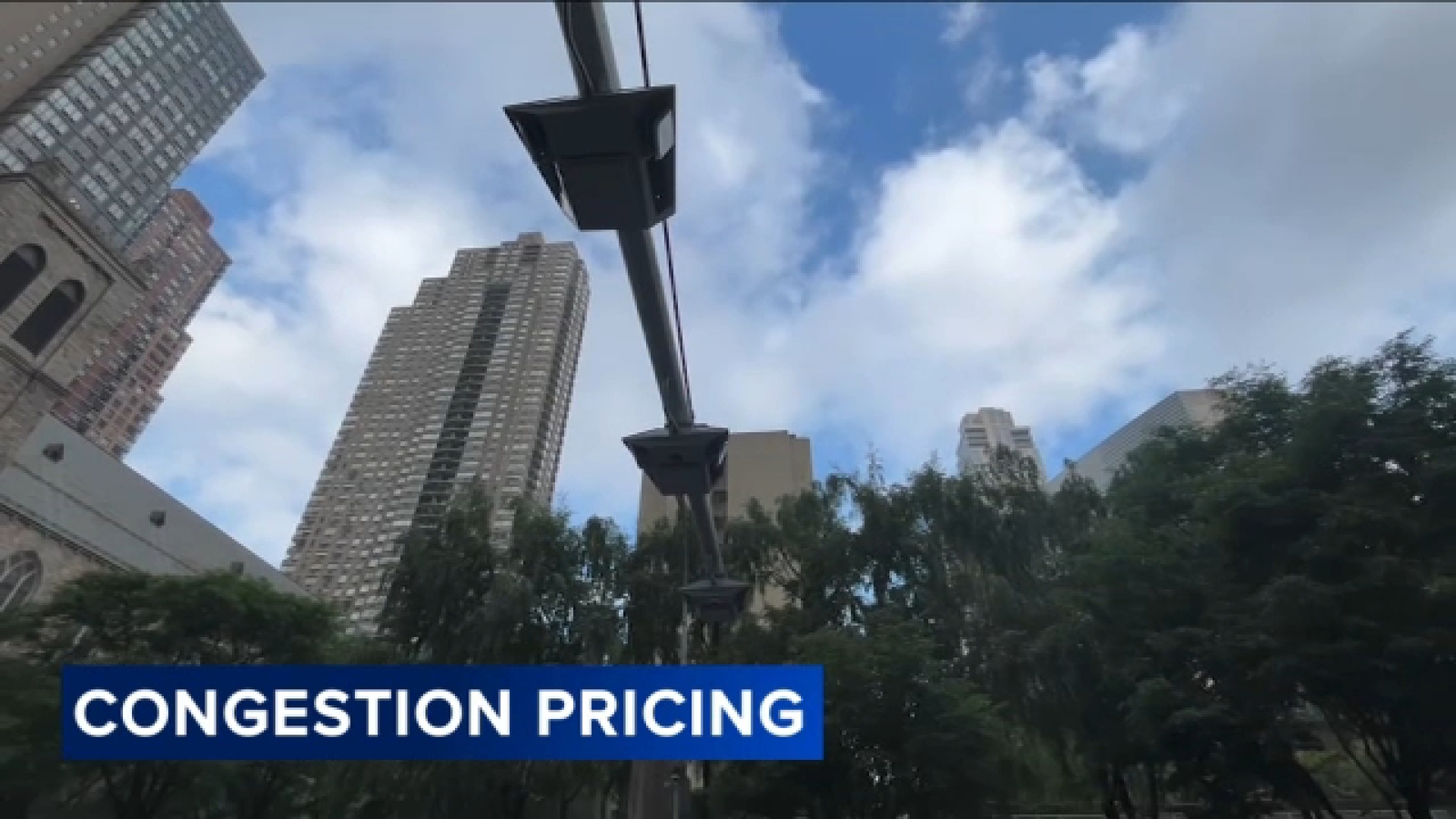
The recent decision by the U.S. Department of Transportation to terminate federal approval for NYC congestion pricing has sent shockwaves through the metropolitan region and beyond. In a move that could fundamentally reshape how the largest city in the United States manages traffic, funding transit, and approaches urban mobility, the Federal Highway Administration formally rescinded its agreement supporting the MTA’s Central Business District Tolling Program (CBDTP). The implications of this dramatic reversal are far-reaching for commuters, small business owners, transit advocates, and policymakers alike.
Background: How NYC Congestion Pricing Came to Be
The concept of congestion pricing in New York City was years in the making. After extensive debate, environmental reviews, and legislative wrangling, the MTA launched its tolling program with the goal of reducing traffic gridlock in Manhattan’s busiest corridors while simultaneously generating critical revenue for aging subway and bus infrastructure. The program was designed to charge vehicles entering a designated zone south of 60th Street in Manhattan, with varying rates depending on vehicle type and time of day.
Proponents argued that the MTA congestion pricing initiative would curb congestion, decrease air pollution, encourage public transit use, and provide a much-needed funding stream for the cash-strapped transit authority. Critics, however, contended that it amounted to a regressive tax on working-class commuters and small businesses, particularly those traveling from New Jersey, Connecticut, and the outer boroughs.
Until recently, federal authorities had greenlit the program. That changed dramatically this week.
The DOT’s Termination Decision
The U.S. Department of Transportation, under the leadership of Transportation Secretary Sean Duffy, announced that it had pulled its approval for the congestion pricing toll NYC program. In a formal letter to New York Governor Kathy Hochul, the Federal Highway Administration communicated that the agreement supporting the tolling scheme had been rescinded.
This marks a stunning reversal for a program that had only recently begun operations and was already collecting revenue. The termination raises urgent questions about what happens next to the funds already collected, the legal authority of the federal government to dismantle a state-approved program, and the future of transit funding in the region.
The Federal Rationale for Termination
According to Secretary Duffy, the NYC congestion pricing plan was terminated for two specific reasons outlined in the letter to Governor Hochul:
- Unprecedented scope with no toll-free alternative: The DOT argued that the Central Business District Tolling Program is the first of its kind in the United States and provides no toll-free highway option for many drivers who need or want to travel by vehicle in the metropolitan area. Unlike typical tolling programs that offer free alternatives, the congestion pricing zone essentially forces drivers to pay if they enter the busiest part of the city.
- Revenue-driven rather than congestion-driven pricing: The department contends that the toll rate was set primarily to raise money for transit operations rather than calibrated at a level specifically intended to reduce traffic. This distinction matters because federal approval of toll programs typically requires that the primary purpose be traffic management rather than revenue generation.
Sean Duffy’s Strongly Worded Statement
Transportation Secretary Sean Duffy did not mince words in his criticism of the NYC congestion pricing plan. In a public statement, he characterized the program as “a slap in the face to working class Americans and small business owners.”
Duffy’s argument hinged on several key points:
- Highway users already pay their fair share: He emphasized that commuters using the highway system to enter New York City have already financed the construction and improvement of these highways through gas taxes and other tax contributions.
- Lack of free alternatives: The toll program, he noted, “leaves drivers without any free highway alternative and instead, takes more money from working people to pay for a transit system and not highways.”
- Burden on small businesses: Duffy highlighted that the program hurts small businesses in New York that depend on customers crossing state lines from New Jersey and Connecticut.
- Commerce and supply chain concerns: He warned that the tolling scheme impedes the flow of commerce by raising costs for trucks, which could ultimately make goods more expensive for consumers.
- Accessibility concerns: “Every American should be able to access New York City regardless of their economic means,” Duffy declared. “It shouldn’t be reserved for an elite few.”
New York State’s Response and Legal Battle Ahead
Despite the federal government’s termination of the congestion pricing toll NYC program, New York officials have made clear they intend to fight the decision in court. A state official confirmed that whatever the Trump administration intends, the state will pursue legal action to preserve the tolling program.
This sets the stage for a potentially protracted legal showdown between federal and state authorities. Key questions will likely center on the extent of federal authority over state and regional transportation decisions, the contractual obligations between the MTA and its bondholders (who were sold securities based on projected toll revenue), and the proper interpretation of federal highway law.
The legal uncertainty could have significant implications for the MTA’s financial planning. The agency had already incorporated anticipated revenue from congestion pricing into its capital budget, and the sudden loss of that income stream could create cascading challenges for transit projects already underway.
Economic Impact on Commuters and Businesses
The ripple effects of the DOT’s decision extend well beyond government offices and courtrooms. For daily commuters, the outcome of this dispute will determine whether they continue paying tolls each time they enter the congestion zone or regain free access to Manhattan’s central business district. Many working-class commuters from New Jersey and the outer boroughs have voiced concerns that the MTA congestion pricing program represents an unfair financial burden.
Small businesses, particularly those in retail, hospitality, and services that depend on customers traveling from neighboring states, have expressed anxiety about both the tolls themselves and the uncertainty surrounding the program’s future. Restaurateurs, shop owners, and entertainment venues in the congestion zone worry that tolling discourages visitors and drives customers away.
Conversely, transit advocates and environmental groups have rallied behind the program, arguing that reducing vehicle traffic is essential for improving air quality, combating climate change, and creating more livable urban spaces. They point out that robust public transit systems benefit everyone, including those who drive, by providing alternatives that reduce overall road congestion.
Broader Political Context
The termination of federal approval for NYC congestion pricing fits within a broader pattern of the current federal administration’s approach to transportation policy and its relationship with Democratic-led states and cities. The decision aligns with campaign rhetoric that positioned urban tolling programs as overly burdensome on working- and middle-class Americans.
Supporters of the federal action frame it as a matter of fairness and equity, arguing that tolling programs disproportionately affect those who can least afford them. Opponents view it as federal overreach that undermines local autonomy and strips cities of innovative tools to address traffic, pollution, and infrastructure funding shortfalls.
Other cities that have considered or implemented similar congestion pricing schemes, including Los Angeles and various municipalities abroad, will be watching this dispute closely. The outcome could influence whether American cities continue exploring tolling as a tool for managing urban transportation or abandon the concept altogether in the face of federal opposition.
What Happens Next
Several immediate questions remain unanswered as this story continues to develop:
- Legal proceedings: How quickly will New York State file suit, and what court will hear the case?
- Toll collection status: Will the MTA continue collecting tolls during litigation, or will collection be suspended pending the outcome?
- Bondholder impact: How will the financial markets and MTA bondholders react to the uncertainty surrounding a revenue stream they were promised?
- Transit funding gaps: What alternative funding sources will the MTA pursue if toll revenue is lost?
- Federal legislation: Could Congress weigh in to clarify the authority of the Federal Highway Administration over state tolling programs?
As this is a developing story, more details are likely to emerge in the coming days and weeks. The intersection of federal authority, state policy, urban planning, environmental concerns, and economic equity makes this one of the most significant transportation policy battles in recent memory.
Conclusion
The U.S. Department of Transportation’s termination of federal approval for NYC congestion pricing represents a pivotal moment in American transportation policy. Whether viewed as a necessary correction of an unfair program or as federal overreach that undermines local innovation, the decision has already triggered significant legal, financial, and political consequences. As New York State prepares to fight in court and commuters, businesses, and transit advocates brace for impact, the outcome of this dispute will likely shape urban transportation policy for years to come. One thing is certain: the debate over how cities manage congestion, fund transit, and balance competing interests is far from over.