
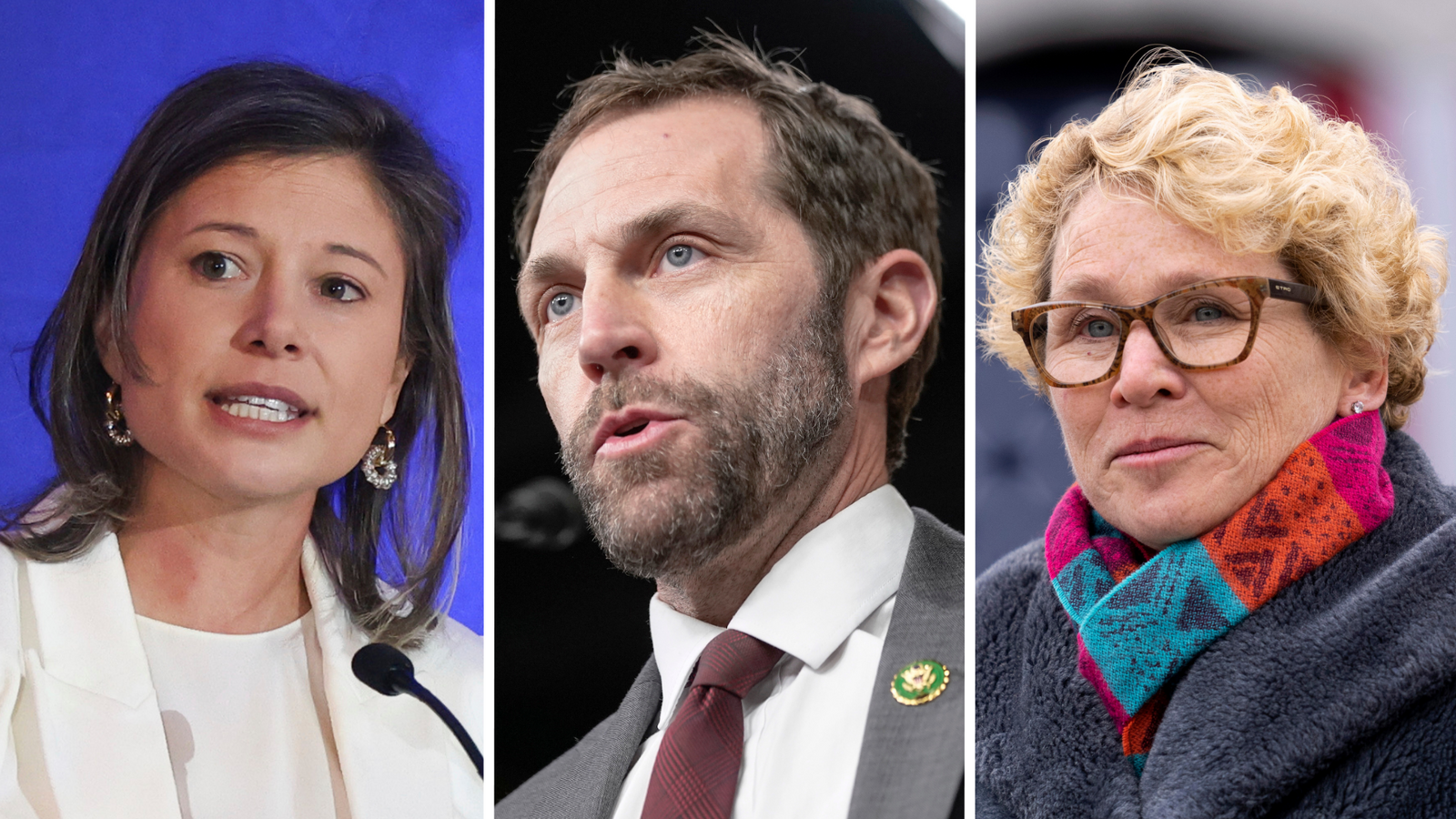
The political storm surrounding a November social media video has now expanded to include three additional Dem lawmakers under federal investigation, intensifying a high-stakes confrontation between congressional Democrats and the Trump administration over free speech, military authority, and the limits of executive power. The development marks a significant escalation in what began as a coordinated effort by Democratic members of Congress with military and intelligence backgrounds to remind service members of their right to refuse unlawful orders.
The Video That Sparked a Federal Probe
The controversy originated from a video posted on social media in November, featuring Democratic lawmakers who had previously served in the U.S. military or intelligence community. In the clip, these elected officials emphasized a foundational principle of American law: members of the armed forces have both a legal and moral obligation to disobey orders that violate the Constitution or established military justice codes.
While the message aligns directly with the Uniform Code of Military Justice, its delivery by sitting members of Congress ignited a fierce backlash from the White House and the Department of Defense. Now, what started as political criticism has evolved into formal federal scrutiny, with prosecutors examining whether the lawmakers crossed legal lines by publicly encouraging service members to think critically about the orders they receive.
Three House Democrats Now Under Investigation
On Wednesday, three House Democrats publicly disclosed that they had become targets of a federal investigation connected to the video:
- Rep. Jason Crow (Colorado) – A former Army Ranger, Crow stated that President Donald Trump is leveraging “political cronies in the Department of Justice” to intimidate members of Congress. In a social media post, Crow declared, “We took an oath to the Constitution, a lifetime oath when we joined the military and again as members of Congress. We are not going to back away.”
- Rep. Maggie Goodlander (New Hampshire) – A former intelligence officer in the U.S. Navy Reserve, Goodlander expressed alarm that simply articulating a long-standing legal principle had triggered a federal response. She noted that the situation is “downright dangerous” and that threats will not silence her.
- Rep. Chrissy Houlahan (Pennsylvania) – An Air Force veteran, Houlahan characterized the investigation as politically motivated retaliation, arguing that the group is “being targeted not because we said something untrue, but because we said something President Trump and Secretary Hegseth didn’t want anyone to hear.”
All three have vowed to continue their work undeterred, framing the investigation as an affront to the constitutional duties they swore to uphold.
Two Senate Democrats Already in the Crosshairs
The three House members join two Senate Democrats who were already facing federal scrutiny over the same video. Sen. Elissa Slotkin of Michigan confirmed earlier this week that she was under investigation, with the inquiry reportedly originating from U.S. Attorney for the District of Columbia Jeanine Pirro, a well-known Trump ally.
The other senator involved, Sen. Mark Kelly of Arizona, has faced even more severe consequences. Secretary of Defense Pete Hegseth formally censured Kelly, issuing a letter that accused the senator and former Navy captain of:
- Undermining the chain of command
- Creating confusion about duty
- Bringing discredit upon the armed forces
- Engaging in conduct unbecoming an officer
The censure carries tangible consequences, including a reduction in rank and a cut to Kelly’s retirement pay. Hegseth announced that the formal process would take approximately 45 days to complete.
Kelly Fights Back with a Lawsuit
In response to the censure, Mark Kelly filed a lawsuit against Secretary Hegseth, arguing that the punishment infringed on his constitutional rights, including his First Amendment protections and his ability to serve effectively in the Senate. Kelly’s legal challenge highlights the broader question of whether the executive branch can punish former military officers now serving in elected office for statements made in their congressional capacity.
In a post-censure interview with ABC News, Kelly stood firmly by his original message, stating unequivocally that he would “absolutely not” alter what he told U.S. troops about refusing illegal orders. His stance has only deepened the political standoff.
Trump’s Rhetoric Raises Constitutional Alarms
Perhaps the most alarming dimension of this controversy has been the language used by President Trump himself. In social media posts from November, Trump labeled the Democrats in the video as “traitors” and described their actions as “SEDITIOUS BEHAVIOR, punishable by DEATH!”
When pressed by reporters on whether the president genuinely wanted to execute members of Congress, White House Press Secretary Karoline Leavitt clarified that Trump did not seek such an outcome. However, she accused the lawmakers of “encouraging [service members] to defy the president’s lawful orders,” a framing that critics argue conflates lawful orders with all orders issued by the commander-in-chief.
This rhetorical posture from the highest office in the land has intensified concerns about whether the federal investigations are genuinely rooted in legal violations or whether they represent politically driven retribution against political opponents.
The Legal and Constitutional Stakes
A Question of Military Law vs. Political Speech
At the heart of this controversy lies a complex legal question: where does the line fall between protected political speech and actionable interference with military operations? The Uniform Code of Military Justice explicitly requires service members to disobey unlawful orders, a principle that has been affirmed in U.S. military training for decades. The Democrats in the video argue they were simply restating established law, not inciting insubordination.
Potential First Amendment Implications
Legal scholars are watching closely because the case could set important precedents regarding:
- The ability of current and former military officers to publicly discuss military law
- The scope of executive authority over individuals who once served in the armed forces
- The protections afforded to members of Congress when speaking on matters within their oversight responsibilities
- The boundaries between legitimate law enforcement and politically motivated prosecution
Jason Crow emphasized this point in his video response, declaring, “I am more emboldened than ever to make sure that I am upholding my duty, and I will not back down.”
Reactions from the Department of Justice
When asked about the expanding investigation, a spokesperson for the U.S. Attorney’s Office in Washington, D.C. declined to either confirm or deny the existence of probes into the additional lawmakers. The ambiguity surrounding these investigations has done little to calm concerns about the impartiality of federal law enforcement in politically charged matters.
The opacity of the process stands in stark contrast to the transparency that the Democrats have shown, with all five lawmakers publicly disclosing their status once they became aware of the investigations.
What Comes Next?
As the investigations proceed, several key developments will likely shape the trajectory of this story:
- Kelly’s lawsuit will work its way through the courts, potentially producing binding legal decisions on the boundaries of executive punishment
- Additional disclosures from the Department of Justice may reveal the specific legal theories underpinning the investigations
- Congressional response could include hearings, resolutions, or legislative action aimed at protecting members from politically motivated prosecution
- Public opinion will continue to evolve as more details emerge about the nature and scope of the federal inquiry
Meanwhile, the five Democratic lawmakers involved have remained united in their message: they were restating the law, not breaking it, and they will not be cowed into silence.
Conclusion
The unfolding situation involving these Dem lawmakers under federal investigation represents far more than a partisan squabble. It strikes at foundational questions about the relationship between civilian leadership and the military, the rights of elected officials to speak on matters of national importance, and the proper use of prosecutorial power in a politically divided nation. Whether the investigations yield formal charges or quietly fade away, the precedent being set will resonate through American political life for years to come.
As Crow, Goodlander, Houlahan, Slotkin, and Kelly continue to defend both their message and their constitutional rights, their case may well become a defining chapter in the ongoing struggle to define the limits of presidential authority and the protections owed to those who serve in both uniform and elected office. One thing is certain: the debate over who gets to define what constitutes an unlawful order has only just begun.