
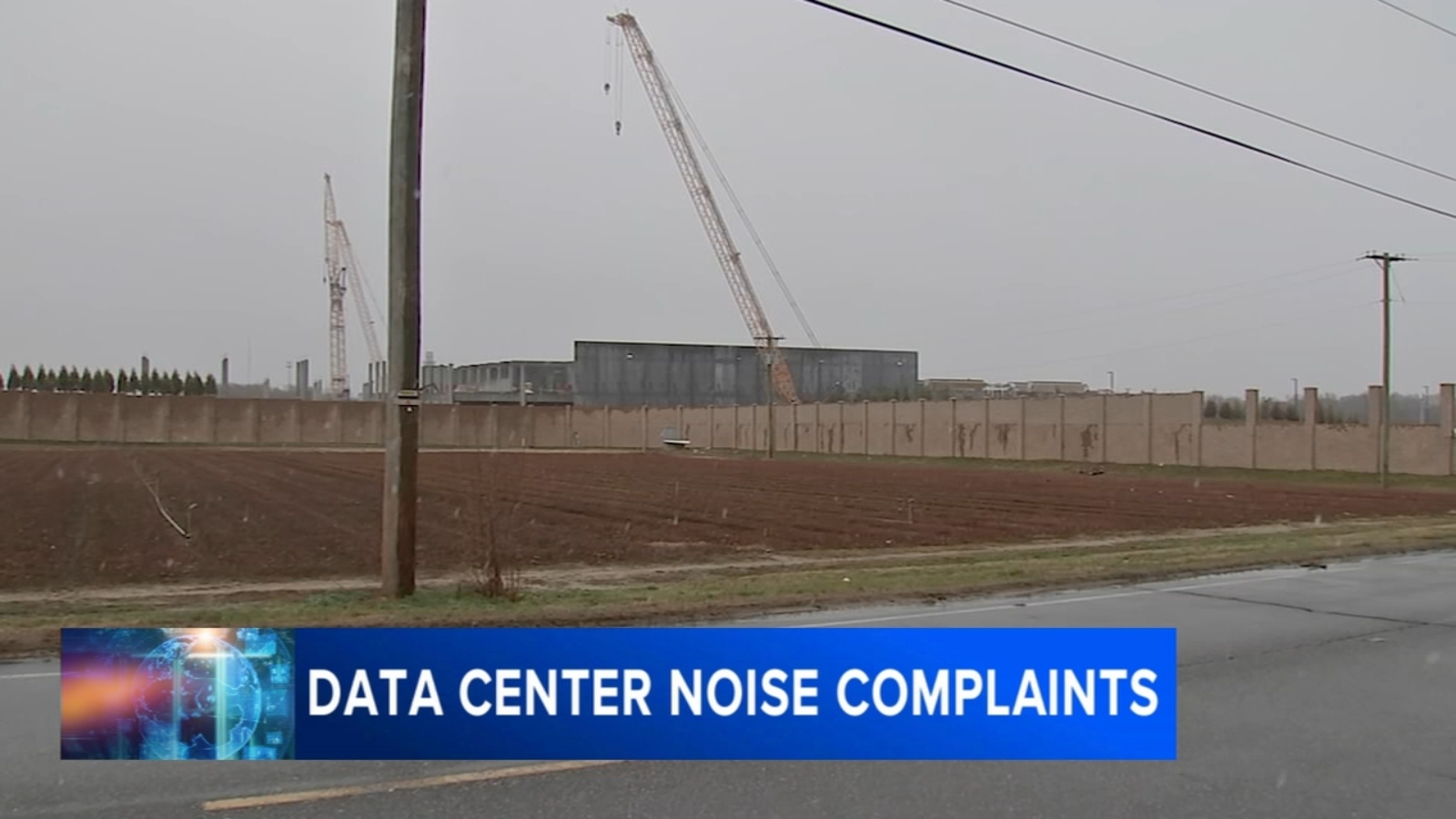
For residents of Vineland, New Jersey, what should be the quiet comfort of suburban living has been replaced by a constant, droning hum. Reports of data center noise complaints have surged in recent weeks as neighbors living near a massive facility under construction on South Lincoln Avenue describe an unrelenting sound that disrupts sleep, conversation, and peace of mind. As community frustrations grow, the situation has become a flashpoint in the broader national conversation about how the rapid expansion of data infrastructure affects the people who live closest to it.
Background on the Vineland Data Center Project
The source of the controversy is a sprawling 2.4 million-square-foot data center being developed by a company called Data One. Located on South Lincoln Avenue in Vineland, the facility represents one of the larger data infrastructure investments in southern New Jersey. Once operational, it will join a growing network of industrial-scale computing sites that power cloud services, artificial intelligence platforms, and the digital backbone of modern commerce.
But before the servers ever get switched on, the construction phase itself has already created friction with the surrounding community. While large-scale data center builds are common in less populated industrial corridors, this particular project sits within proximity to residential neighborhoods, which has fueled the current wave of data center noise complaints.
What Residents Are Experiencing
Neighbors say the sound is unlike anything they have encountered before. Described variously as a “constant buzzing,” a low-frequency hum, or an industrial drone, the noise seems to intensify after dark, when ambient sounds drop away and the hum becomes impossible to ignore.
Scott Montgomery, who lives roughly half a mile from the construction site, has been one of the most vocal residents. He says the noise has fundamentally changed how he and his family experience their own home. Sitting on the porch, which used to be a relaxing evening ritual, is now punctuated by an unending mechanical sound. Sleeping has become difficult, and the uncertainty about whether conditions will worsen has added a layer of stress to daily life.
“It’s unsettling,” Montgomery explained in comments shared with local media. “You can hear it right now, and if you want to sit out here and relax, you have this constant buzzing. It’s not construction noise , this is different.”
Montgomery took the unusual step of recording the sound and posting it on social media, hoping that public documentation might accelerate a response. The recording clearly captures the persistent low-frequency hum that residents say defines their outdoor experience.
Theresa Lewis, another neighbor in the area, echoed similar concerns and shared her own struggles with the constant sound. For her, the issue extends beyond simple annoyance into genuine anxiety. The unpredictability of the noise and the inability to escape it have weighed heavily on her well-being.
Health and Quality-of-Life Concerns
Although the source of the noise has not been definitively confirmed by authorities, prolonged exposure to low-frequency industrial sound has been linked in broader research to a range of issues, including sleep disturbance, elevated stress levels, headaches, and difficulty concentrating. For residents already worried about the situation, these possibilities only add to their concerns. The psychological toll of knowing a sound will be present every night, even before one tries to fall asleep, can itself be disruptive.
The Source of the Noise
One of the more frustrating elements of the situation is the lingering uncertainty about what exactly is producing the sound. Residents are convinced the noise originates from the data center site, particularly given its proximity and the timing of when the hum began. However, the Cumberland County Health Department has stated that while staff have responded to numerous concerns and conducted several on-site visits to measure sound levels, they are still working to verify the precise source.
This ambiguity has made it harder for residents to seek a definitive remedy. Noise complaints are typically most effective when the source can be clearly identified and held to established standards. Until officials confirm where the hum is coming from, enforcement options remain limited.
Government and Health Department Response
Local government bodies have not been silent on the issue. The Cumberland County Health Department confirmed in a statement that it has actively engaged with the complaints, dispatching personnel multiple times to measure decibel levels and assess the situation. The department acknowledged that residents have pointed to a likely source, but emphasized the importance of scientifically confirming the origin before taking further action.
City officials in Vineland, meanwhile, have declined to comment publicly at this stage of the investigation, leaving residents with limited information about what steps might be taken next.
Data One’s Position
Data One, the company developing the facility, has maintained that the site is operating within legal limits. In an official statement, the company asserted full compliance with the Vineland City noise ordinance and pledged to continue deploying sound reduction measures to minimize impact on neighbors.
Whether that commitment will be enough to satisfy a community that is already experiencing measurable disruption remains to be seen. The gap between regulatory compliance and lived experience is often where community conflicts over industrial noise tend to fester. A facility can technically fall within ordinance thresholds and still produce sound that residents find intolerable, especially when that sound continues around the clock.
The Broader Issue of Data Center Noise Pollution
The Vineland situation is not an isolated incident. Across the United States, the explosive growth of data centers , fueled by cloud computing, streaming, and especially the recent surge in artificial intelligence infrastructure , has led to a parallel rise in community pushback. Projects in Virginia’s Loudoun County, Arizona’s Phoenix metro area, and parts of Texas have all generated similar disputes between operators and the residents who suddenly find themselves living next door to an industrial-scale facility.
Common threads in these conflicts include:
- Low-frequency hum from cooling systems and generators, which can travel long distances and penetrate walls more easily than higher-pitched sounds.
- Round-the-clock operation, meaning there is no natural quiet period during which residents can find relief.
- Limited municipal experience with regulating data center-specific noise profiles, since traditional industrial noise standards were not necessarily designed with these facilities in mind.
- Concerns about transparency, as residents often feel that information about facility operations is difficult to obtain.
These recurring patterns suggest that the data center noise complaints in Vineland are part of a much larger structural challenge facing communities across the country.
What Residents Want
For many Vineland residents, the desired outcome extends beyond simply quieting the noise. Montgomery has publicly stated that if the situation cannot be resolved and neighbors have to learn to live with the disruption, some form of financial restitution should be considered. This sentiment reflects a growing awareness among affected communities that proximity to industrial infrastructure often carries a real cost in property values, quality of life, and health , costs that are rarely compensated when projects are first approved.
Beyond monetary considerations, residents are also asking for:
- Independent, transparent noise monitoring with publicly accessible data.
- Clear timelines for any construction-related noise and a defined end point.
- Meaningful engagement from the data center operator, including open communication channels.
- Stronger local ordinances that account for the unique noise profiles of data center facilities.
Looking Ahead
The path forward for Vineland will likely involve continued measurement by health officials, possible revisions to noise ordinance enforcement, and ongoing dialogue between Data One and the surrounding community. As the facility moves from construction toward full operation, the nature of the noise may change , potentially shifting from construction-related sounds to the persistent hum of cooling and power systems that characterize running data centers.
This transition will be a critical test for all parties involved. Residents will be watching closely to see whether promised sound reduction measures translate into real-world relief, and whether local authorities are willing to take stronger action if compliance alone proves insufficient.
Conclusion
The data center noise complaints in Vineland represent more than a local disagreement about a single construction project. They highlight the growing tension between the demands of our digital economy and the rights of communities to enjoy their homes without industrial disruption. As data centers continue to proliferate to support everything from streaming video to artificial intelligence, the lessons learned in places like Vineland will shape how municipalities across the country balance technological progress with quality-of-life considerations. For now, residents can only wait, document, and hope that the hum outside their windows finally fades , or, at the very least, is replaced by meaningful accountability from those responsible for it.