
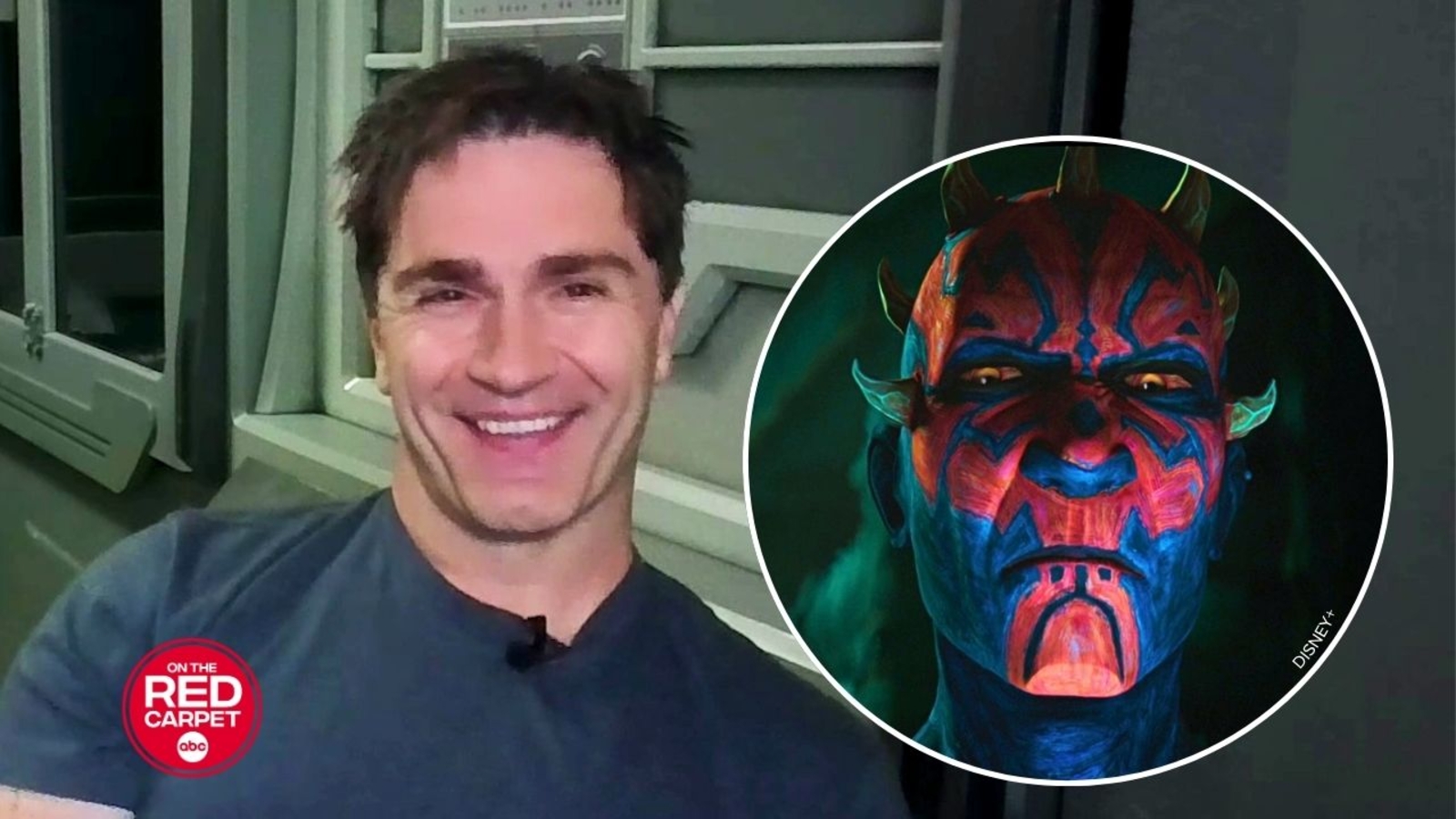
For decades, the menacing Sith warrior known as Darth Maul has captured the imagination of Star Wars fans across generations. First appearing in 1999 with barely any dialogue, the character became a fan favorite and has continued to evolve across animation, television, and comics. Now, a brand-new Darth Maul series is on the horizon, promising to deepen the villain’s mythology in ways never before attempted on screen. Titled Star Wars: Maul – Shadow Lord, this ambitious animated production is set to premiere on April 6, exclusively on Disney+, and it’s shaping up to be one of the most exciting additions to the franchise in years.
What makes this Darth Maul series particularly noteworthy is its accessibility. Whether you’re a lifelong devotee who has memorized every line from the prequel trilogy or a curious newcomer who has never seen a single lightsaber duel, the show’s creators insist that no prior knowledge is required. That bold creative decision alone has generated significant buzz across the Star Wars animated series community.
A Fresh Chapter in Maul’s Saga
The new Shadow Lord series picks up during a pivotal moment in galactic history. Set a few years after the devastating Order 66, the story unfolds in the Imperial Era, a transitional period filled with chaos, fear, and opportunities for those clever enough to seize them. Maul, having survived events that would have destroyed lesser warriors, is attempting to rebuild his criminal empire from the ashes of the Republic’s fall.
For longtime followers of the lore, this setting is particularly rich. The Empire has only just begun to consolidate its power, and the underworld is in flux. Maul, once the apprentice of Darth Sidious, now finds himself navigating this shifting landscape without the full backing of his former master. It’s a story of reinvention, ambition, and survival , themes that the creative team has clearly leaned into heavily.
The Godfather Influence
One of the most intriguing creative decisions behind this Darth Maul series is its tonal inspiration. Producer Athena Yvette Portillo has openly compared the show to The Godfather, suggesting that audiences should think of Maul’s operations as a crime family saga. Just as Michael Corleone’s journey invited viewers to understand , and perhaps even empathize with , a morally complex figure, Shadow Lord aims to humanize a character who has traditionally been defined by his rage and brutality.
This framing is fascinating because it transforms what could have been a straightforward villain origin story into something far more nuanced. The audience is invited to root for, or at least understand, a character who exists in the gray areas between hero and monster. In a galaxy filled with Jedi Knights and Sith Lords, Maul’s pursuit of power, loyalty, and connection makes him surprisingly relatable.
Character Depth and Self-Discovery
Voice actor Sam Witwer, who has portrayed Darth Maul across multiple projects including The Clone Wars and Rebels, has spoken extensively about what makes this iteration of the character so special. According to Witwer, the Maul audiences will meet in Shadow Lord is undergoing a profound period of personal transformation.
“This character is going through a time of reassessment and self-discovery,” Witwer explained in a recent interview. He’s reaching out to other people for the first time and attempting to form genuine relationships. But here’s the complication: the person who shaped his entire worldview is Emperor Palpatine, arguably the most evil figure in Star Wars lore. How does someone unlearn that kind of toxic mentorship? How does a weapon become a person?
These are the questions that the Darth Maul series appears poised to explore. It’s a psychological journey disguised as a crime saga, and that blend of action, ambition, and internal conflict could give the show remarkable depth.
The Creative Team Behind the Vision
The series boasts an experienced creative team with deep ties to the Star Wars animated series tradition. Director Brad Rau has been particularly enthusiastic about the project, describing it as one of the best productions he’s ever worked on. The combination of narrative ambition, distinctive visual style, clever chapter titles, and an evocative musical score has created something that feels cohesive and carefully crafted.
Writer Matt Michnovetz echoed this enthusiasm, emphasizing that the storytelling was designed to serve two very different audiences simultaneously. The goal was to build a roller coaster ride full of twists and turns that would thrill seasoned fans while remaining completely accessible to those who have never engaged with Star Wars before. That’s no small feat, but the confidence from the creative team suggests they’ve pulled it off.
Why This Series Matters for Star Wars
The decision to make Shadow Lord accessible to newcomers represents a significant strategic move for the franchise. Star Wars streaming content has expanded enormously over the past few years, with Disney+ becoming the central hub for both new and classic stories. However, the complexity of the lore has sometimes been a barrier for casual viewers. By offering a self-contained entry point centered on one of the franchise’s most visually striking characters, Disney is essentially creating a gateway drug to the broader mythology.
There’s also something to be said for the timing. The Imperial Era setting places the story in a familiar yet underexplored period. While Andor and Obi-Wan Kenobi have touched on this time, the criminal underworld perspective offers a fresh angle. Fans who love the gritty, morally ambiguous tone of those shows will likely find much to appreciate here.
What to Expect From the Episodes
The first season consists of 10 episodes, with the first two debuting simultaneously on April 6. This dual-episode premiere strategy has become increasingly common for major streaming releases, allowing audiences to get a strong sense of the show’s tone and pacing before committing to the full season.
Here’s what fans can generally expect:
- A crime saga atmosphere reminiscent of classic mob films, transplanted into the Star Wars universe
- Character-driven storytelling focused on Maul’s internal struggles alongside his external ambitions
- Dynamic action sequences that take full advantage of the animated medium
- Loyalty, betrayal, and family dynamics woven throughout the narrative
- Connections to wider Star Wars lore that reward longtime viewers without alienating newcomers
The Legacy of Darth Maul
It’s worth reflecting on how far this character has come since his electrifying debut. Originally conceived as a near-silent villain in The Phantom Menace, Maul was seemingly killed off at the end of that film. Yet through the magic of animation and the dedication of storytellers, he was resurrected in The Clone Wars and given an incredibly rich backstory. His survival, his brotherhood with Savage Opress, his rivalry with Obi-Wan Kenobi, and his time ruling Mandalore have all contributed to making him one of the most fully realized antagonists in modern fiction.
This Darth Maul series represents the next logical step in that evolution. Rather than simply retreading familiar ground, Shadow Lord appears willing to take risks and explore territory that previous Star Wars projects have avoided. The decision to frame Maul as a complex, almost tragic figure , rather than a straightforward villain , is bold and potentially groundbreaking.
Final Thoughts
With its combination of compelling characters, cinematic ambition, and welcoming accessibility, the new Darth Maul series is positioned to be a standout addition to the Disney+ lineup. Sam Witwer’s continued commitment to the role, combined with a talented production team and a narrative that respects both newcomers and devoted fans, creates a promising recipe for success. Whether you’re drawn in by the promise of lightsaber duels, criminal underworld intrigue, or simply the chance to see one of Star Wars‘ most fascinating characters in a brand-new light, April 6 should be circled on every fan’s calendar. Shadow Lord isn’t just another entry in the saga , it’s a chance to experience a legendary villain as a fully realized individual, and that alone makes it unmissable.