
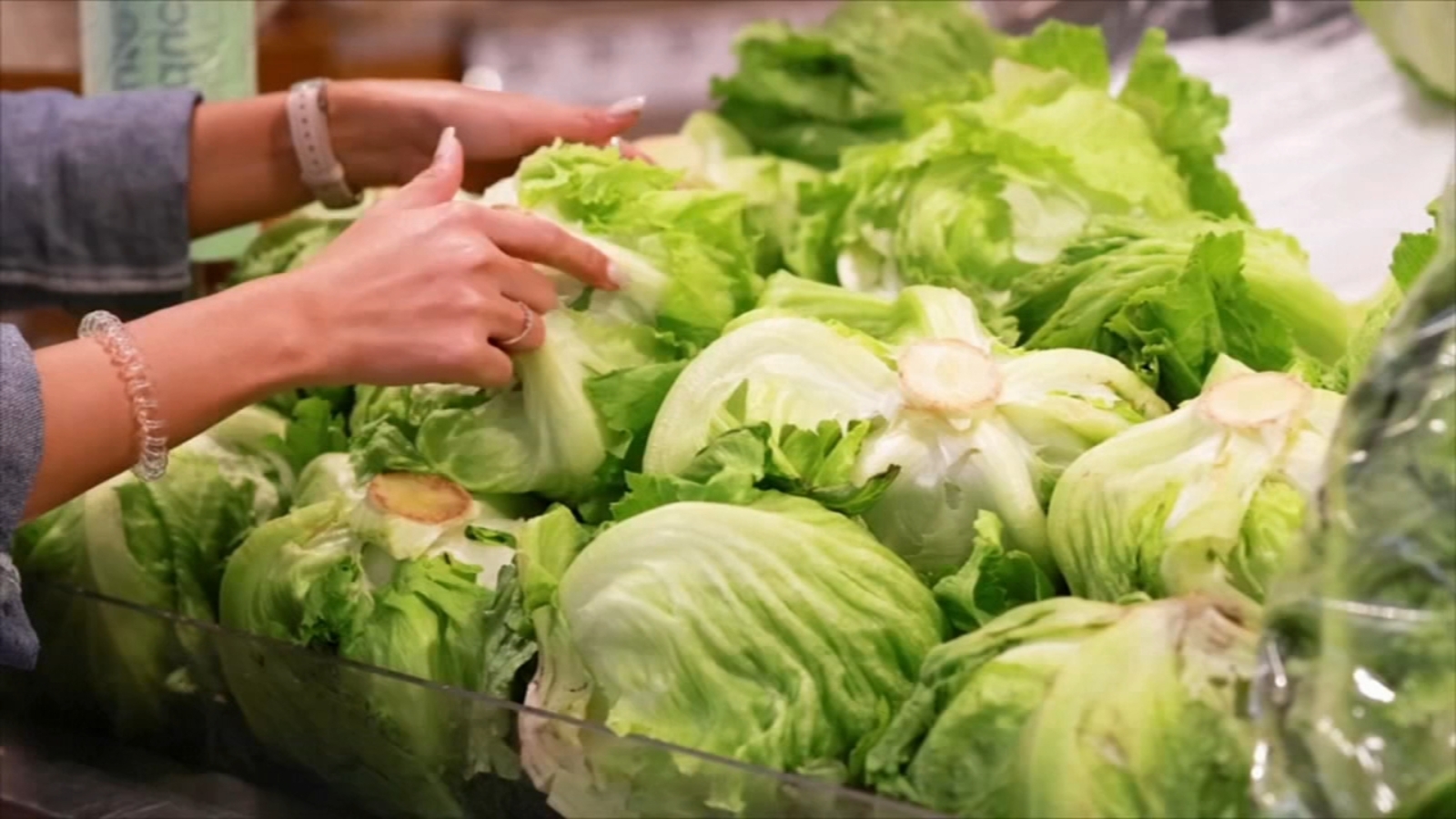
If you’ve been holding off on ordering that salad or skipping the lettuce on your sandwich, here’s the good news: federal health officials say the cyclosporiasis lettuce outbreak tied to contaminated iceberg lettuce appears to be winding down, and the recalled products are no longer available in stores or restaurants. After months of investigation, the U.S. Food and Drug Administration has expressed confidence that all implicated iceberg lettuce has been pulled from the market. But many consumers still have questions about safety, ongoing case reports, and how to protect themselves in the future.
What We Know About the Current Cyclosporiasis Situation
The summer 2025 cyclosporiasis outbreak traced back to iceberg lettuce has become one of the more significant foodborne illness investigations of recent years. According to the latest combined data from the FDA and the U.S. Centers for Disease Control and Prevention, the outbreak has resulted in 11,458 reported illnesses across 20 states, with 495 hospitalizations and unfortunately, two deaths.
These numbers sound alarming, but public health experts urge context. The vast majority of these illnesses began before the recall was announced on July 17. When the FDA traced the contamination back to its source, investigators identified Taylor Farms de Mexico as the supplier of the affected iceberg lettuce, which had been distributed to several major retailers and restaurants, including certain Taco Bell locations.
The Taylor Farms Recall and Mexican Growers Connection
Once investigators linked illnesses to shredded iceberg lettuce, Taylor Farms de Mexico took swift action by removing all iceberg lettuce sourced from central Mexico from the U.S. market. The recall included Marketside iceberg salad packs and shredded iceberg lettuce with best-if-used-by dates ranging from July 18 through August 3.
This targeted response is significant because it means that the contaminated product has a clear window of distribution, making it easier for both retailers and consumers to identify and remove potentially dangerous items.
Why New Cases Are Still Appearing on Reports
One of the most confusing aspects of this outbreak has been the seemingly endless stream of new case reports. Even weeks after the recall, the case count has continued to climb. Dr. Colleen Kraft, an infectious disease specialist at Emory University School of Medicine, explained that this is largely a reporting lag rather than ongoing new infections.
“A newly reported case is not necessarily a newly acquired infection,” Kraft noted. The diagnostic process for cyclosporiasis is complex. After someone becomes infected with the microscopic parasite, symptoms may not appear for two days to two weeks. Then it can take up to six weeks for CDC and state health departments to confirm and link an illness to the broader outbreak investigation.
The most recent illness onset recorded was August 15, which predates when most of the contaminated product would have been removed from circulation. So when you see case numbers rising, you’re really seeing the delayed aftermath of illnesses that occurred weeks ago.
So, Is It Actually Safe to Eat Iceberg Lettuce Now?
The short answer from public health experts is yes, with reasonable precautions. Dr. Jennifer Layden from Washington University’s Bursky School of Public Health put it plainly: assuming you don’t encounter a recalled product, eating fresh produce like iceberg lettuce is generally considered safe.
Matthew Moore, a food science professor at the University of Massachusetts Amherst, agreed. “If today for dinner you wanted to go out and eat a salad, you’re pretty safe from cyclospora at this point, as far as we know,” he said. The distinction experts emphasize is between the specific recalled product and iceberg lettuce as a broader category. The contaminated batches have been pulled; current supplies on store shelves are not part of the outbreak.
Cleaning Your Kitchen If You Had Recalled Products
If you happened to purchase any of the recalled Marketside iceberg salad packs or Taylor Farms shredded lettuce with the affected dates, the FDA recommends carefully cleaning and sanitizing any surfaces, cutting boards, utensils, or storage containers that the product touched. This precaution helps eliminate any residual contamination that could potentially cause illness.
Safer Alternatives for Extra-Cautious Consumers
Even though the outbreak appears to be under control, some people may still feel hesitant about eating raw leafy greens. Health experts offer several practical alternatives that don’t require giving up fresh produce entirely.
- Cooked vegetables: Heat provides a “kill step” that eliminates cyclospora and many other pathogens. Steaming, roasting, or sautéing your greens is one of the safest options available.
- Frozen and canned vegetables: These are also excellent alternatives, particularly when they’re subsequently cooked before eating.
- Fruits you peel yourself: Bananas, oranges, and similar fruits with protective peels offer a lower-risk option because the edible portion is shielded from contamination.
Doctors stress that avoiding fresh produce altogether isn’t necessary or advisable. Fruits and vegetables remain essential components of a balanced, nutritious diet, and the benefits far outweigh the small baseline risk of foodborne illness.
When Will Officials Declare the Outbreak Over?
The official end of the cyclosporiasis outbreak depends on several factors coming together. According to Kraft, federal agencies typically declare an outbreak over once they’re confident that no new cases are emerging and all contaminated product has been verified as removed from the food supply.
This requires patience. Recently diagnosed cases still need to move through laboratory testing, patient interviews, and epidemiological analysis. The FDA is also continuing inspections and sampling of growers and processing facilities in Mexico as part of its ongoing investigation.
Dr. Layden predicted the outbreak could officially be declared over within a few weeks, assuming no new infections emerge. Moore echoed this optimism, noting that cyclospora behaves differently from pathogens like salmonella because it’s not transmitted person-to-person. Once the contaminated source is removed, the outbreak naturally tapers off without secondary waves of infection.
Food Safety Practices Everyone Should Follow
Regardless of any specific outbreak, certain food safety habits significantly reduce your risk of foodborne illness. With cyclosporiasis cases historically peaking during summer months, these practices become especially important this time of year.
- Wash your hands thoroughly before and after handling fresh produce.
- Rinse fruits and vegetables under running water before eating, cutting, or cooking them.
- Prevent cross-contamination by keeping raw produce separate from raw meats and using different cutting boards.
- Check expiration and use-by dates carefully and discard items that are past their prime.
- Store produce properly in the refrigerator and use it within recommended timeframes.
- Cook when possible, especially if you’re in a higher-risk group or simply want extra peace of mind.
“This time of year is when we typically see these types of outbreaks,” Layden explained. “The numbers are higher, admittedly, this year than in past years, but this is the time of year that these things happen.” Her advice? Stick to the basics: wash your food, watch expiration dates, cook properly, and store safely.
Looking Ahead
While the summer’s cyclosporiasis lettuce outbreak has been substantial in scope, the coordinated response between federal agencies, Taylor Farms, and public health departments appears to have successfully contained the contaminated product. For consumers, this means returning to normalcy with confidence, while staying alert to any future recall announcements.
The ongoing investigation in Mexico will likely yield additional insights into how the contamination occurred and what safeguards can prevent similar outbreaks in the future. In the meantime, your local grocery store’s iceberg lettuce is, according to current evidence, safe to eat. Just remember to wash it, check the packaging dates, and practice the same common-sense food safety measures you’d use any day of the year.
For the most current updates on the cyclosporiasis lettuce outbreak, the FDA and CDC continue to publish updated case counts and guidance on their official websites. If you suspect you’ve consumed a recalled product and are experiencing symptoms like watery diarrhea, loss of appetite, or stomach cramps, contact your healthcare provider right away.