
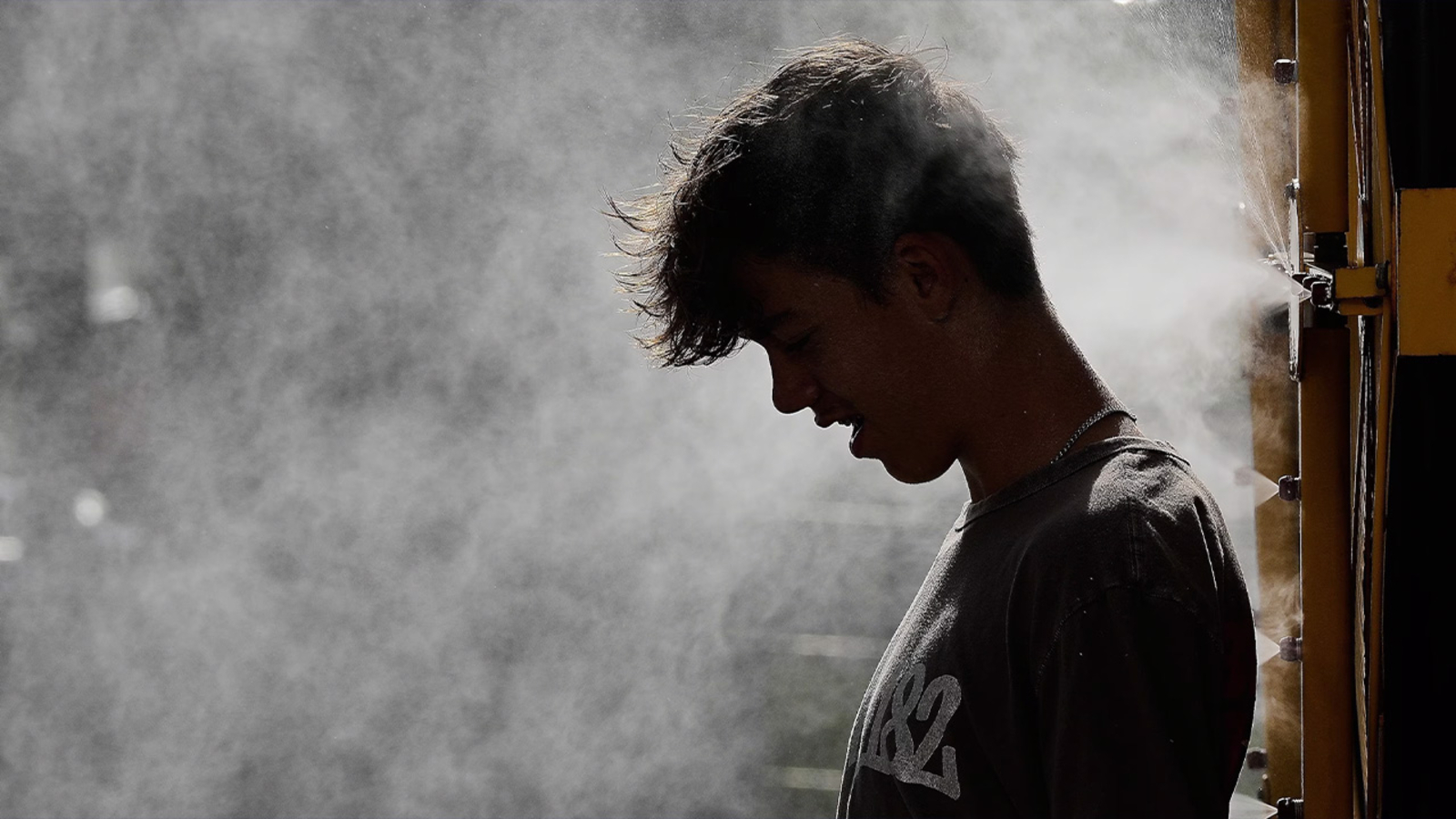
When temperatures soar and a dangerous heat wave blankets your region, knowing effective cooling strategies during a heat wave can be a genuine lifesaver. Extreme heat is one of the deadliest weather hazards, yet many people underestimate its risks. Whether you’re facing temperatures in the high 90s or triple digits, the right combination of preparation, environmental adjustments, and personal habits can keep you and your loved ones safe. Below, we break down twelve essential approaches to staying cool, recognizing warning signs of heat illness, and protecting vulnerable family members and neighbors.
Why Heat Waves Are So Dangerous
During a heat wave, the body works overtime to maintain its core temperature through sweating and increased blood flow to the skin. When this system becomes overwhelmed,especially in high humidity,body heat can climb to dangerous levels within minutes. The National Weather Service notes that the heat index, or “feels like” temperature, can rise by up to 15 degrees Fahrenheit under direct sunlight. This is why simple heat wave safety tips like seeking shade and limiting sun exposure matter so much.
12 Essential Cooling Strategies During a Heat Wave
1. Access Air Conditioning Whenever Possible
Spending at least two hours in an air-conditioned space is one of the most effective cooling strategies during a heat wave. If your home lacks AC, visit a cooling center, public library, shopping mall, or community center. Many cities open designated cooling centers near me during extreme heat events,check your local health department website or call 311 for locations.
2. Use Cooling Aids for Direct Skin Relief
Cooling towels, misting fans, and water sprays provide instant relief when applied to pulse points like the neck, wrists, and temples. These items are inexpensive, portable, and can lower your skin temperature quickly. For best results, dampen a cooling towel with cold water, wring it out, and drape it around your neck.
3. Use Fans Strategically,and Know Their Limits
Fans can help circulate air and make a room feel more comfortable, but they have limits. According to the CDC, using a fan when temperatures exceed 90 degrees Fahrenheit can actually increase body temperature by pushing hot air over your skin without providing real cooling. If you use one, set ceiling fans to rotate counterclockwise to push air downward, creating a cooling effect.
4. Time Your Outdoor Activities Carefully
Avoid or limit outdoor activities during the hottest hours,typically 10 a.m. to 4 p.m. Schedule walks, errands, and exercise for early morning or evening when temperatures drop. If you must be outside, take frequent breaks in shaded or air-conditioned areas and reschedule strenuous tasks whenever possible.
5. Choose the Right Clothing
Wear lightweight, loose-fitting, and light-colored clothing to reflect sunlight and allow your body to release heat. A wide-brimmed hat shields your face and neck from direct sun. Avoid dark colors, heavy fabrics, and synthetic materials that trap heat against the skin.
6. Stay Hydrated,Even Before You Feel Thirsty
Drink at least one cup of water every hour during extreme heat, even if you don’t feel thirsty. Thirst is often a late indicator of dehydration. Avoid alcohol, sugary drinks, and excessive caffeine, all of which can accelerate fluid loss. If your doctor has restricted fluid intake, ask how much you should drink during a heat wave.
7. Skip the Oven and Stove
Cooking generates significant indoor heat. During a heat wave, opt for no-cook meals like salads, sandwiches, and fresh fruit. If you must cook, use a microwave or outdoor grill instead of a hot oven or stovetop. Turn on exhaust fans to pull hot air and cooking fumes out of your home.
8. Take Cool Showers or Baths
A cool shower or bath is one of the fastest ways to lower your body temperature. You don’t need ice-cold water,lukewarm water works well and is safer for young children and older adults. Even placing cool, damp cloths on your wrists, ankles, and the back of your neck can help regulate temperature.
9. Block Out the Sun
Close blinds, curtains, and shades on windows facing the sun during daylight hours to keep indoor temperatures down. Blackout curtains are especially effective. At night, when outdoor air cools, open windows on opposite sides of your home to create cross-ventilation and draw in cooler air.
10. Minimize Electrical Appliance Use
Computers, televisions, lights, and other electronics generate heat. Turn off unnecessary devices and limit use to cooler nighttime hours. This approach also reduces strain on the power grid, helping prevent outages that could knock out your AC or fans during peak demand.
11. Plan Ahead for Power Outages
Heat waves often push electrical grids to their limits. Charge phones and battery-powered fans in advance, stock up on bottled water, and identify a backup cooling location in case your power goes out. Some communities set up emergency cooling stations during prolonged outages.
12. Check on Vulnerable Loved Ones
Children, older adults, people with chronic illnesses, pregnant individuals, and those living alone face the highest risk during extreme heat. Make a plan to check on neighbors, friends, and family members at least twice daily. Pets also need extra attention,ensure they have fresh water, shade, and a cool place to rest.
Recognizing Heat-Related Illnesses
Heat Exhaustion Warning Signs
Heat exhaustion occurs when the body loses excessive salt and water through heavy sweating. Heat exhaustion symptoms include:
- Heavy sweating and weakness
- Cold, pale, or clammy skin
- Headache, dizziness, or nausea
- Muscle cramps
- Decreased urine output
- Irritability or confusion
If you suspect heat exhaustion, move to a cooler location, loosen clothing, and sip cool water. Seek medical attention if symptoms worsen or last longer than 60 minutes.
Heat Stroke: A Medical Emergency
Heat stroke warning signs are more severe and require immediate action. Body temperature can climb to 106°F or higher within 10 to 15 minutes. Call 911 immediately if you notice any of these symptoms:
- Confusion, slurred speech, or altered mental state
- Hot, dry skin or profuse sweating
- Loss of consciousness or seizures
- Very high body temperature
While waiting for help, move the person to a cooler place and use cool cloths or a cool bath to lower their temperature. Do not give them fluids if they are unconscious.
Final Thoughts on Staying Safe
Heat-related illnesses are largely preventable with the right preparation and awareness. Combining multiple cooling strategies during a heat wave,such as staying hydrated, seeking shade, using cooling aids, and checking on neighbors,creates layers of protection that significantly reduce risk. Keep emergency numbers handy, learn the CDC heat guidelines, and never underestimate the power of simple actions like closing curtains or drinking an extra glass of water. When a heat dome settles over your community, being proactive and informed can make the difference between a difficult day and a dangerous one. Stay cool, stay hydrated, and stay connected to those around you.