
A small desert community on the outskirts of Phoenix has become a powerful symbol of the mounting crisis surrounding Colorado River water cuts. Cave Creek, Arizona, a town of roughly 5,000 residents, has already implemented growth restrictions, reactivated aging wells, and negotiated emergency water agreements just to keep its taps running. Yet even with those aggressive measures, Mayor Robert Morris admits the community may not be able to outrun the shortage. “You can see it coming, but you can’t step aside and you don’t know what the damage will be,” he said, comparing the situation to preparing for a meteor strike.
The uncertainty fueling Cave Creek’s anxiety is reverberating across seven U.S. states, tribal nations, and parts of Mexico. A recently announced federal drought response plan promises significant reductions in river allocations over the next two years, but the long-term outlook remains murky at best. Here’s what you need to know about the unfolding water emergency in the American West.
The Federal Drought Plan Explained
The Bureau of Reclamation, an agency within the U.S. Department of the Interior, has outlined a multi-state strategy that targets the lower basin states , California, Nevada, and Arizona , for the most aggressive cuts. Under the plan, these three states will collectively reduce their river usage by approximately 1.25 million acre-feet per year (roughly 1.54 billion cubic meters) over the next two years. To put that number in perspective, that’s enough water to fill more than 600,000 Olympic-sized swimming pools every single year.
Who Faces Immediate Cuts?
California, Nevada, and Arizona will bear the brunt of the initial restrictions. Cities like Phoenix could face reductions in their municipal and industrial water supply for the first time in history, forcing them to tap backup reserves. Meanwhile, Colorado, Utah, Wyoming, and New Mexico are not currently required to reduce consumption, though they have been encouraged to participate voluntarily.
Even if reservoirs partially recover in coming years, the plan includes provisions for deeper reductions if conditions worsen. The structure essentially functions as a sliding scale, where every drop of additional drought translates into deeper cuts.
Nevada Pushes Back With Lawsuit
Nevada dramatically raised the stakes this week by filing a lawsuit against the Department of the Interior and the Bureau of Reclamation. The state argues that the proposed reductions, which could slash Las Vegas’s allocation by up to 70% over the next decade, fail to account for basic human and economic needs in the region. The Bureau of Reclamation declined to comment on the pending litigation.
The legal challenge highlights a fundamental disagreement over how shrinking water resources should be divided. Nevada officials contend that the federal plan doesn’t adequately protect urban centers that have already invested heavily in conservation and water recycling infrastructure.
Why Lake Mead and Lake Powell Matter
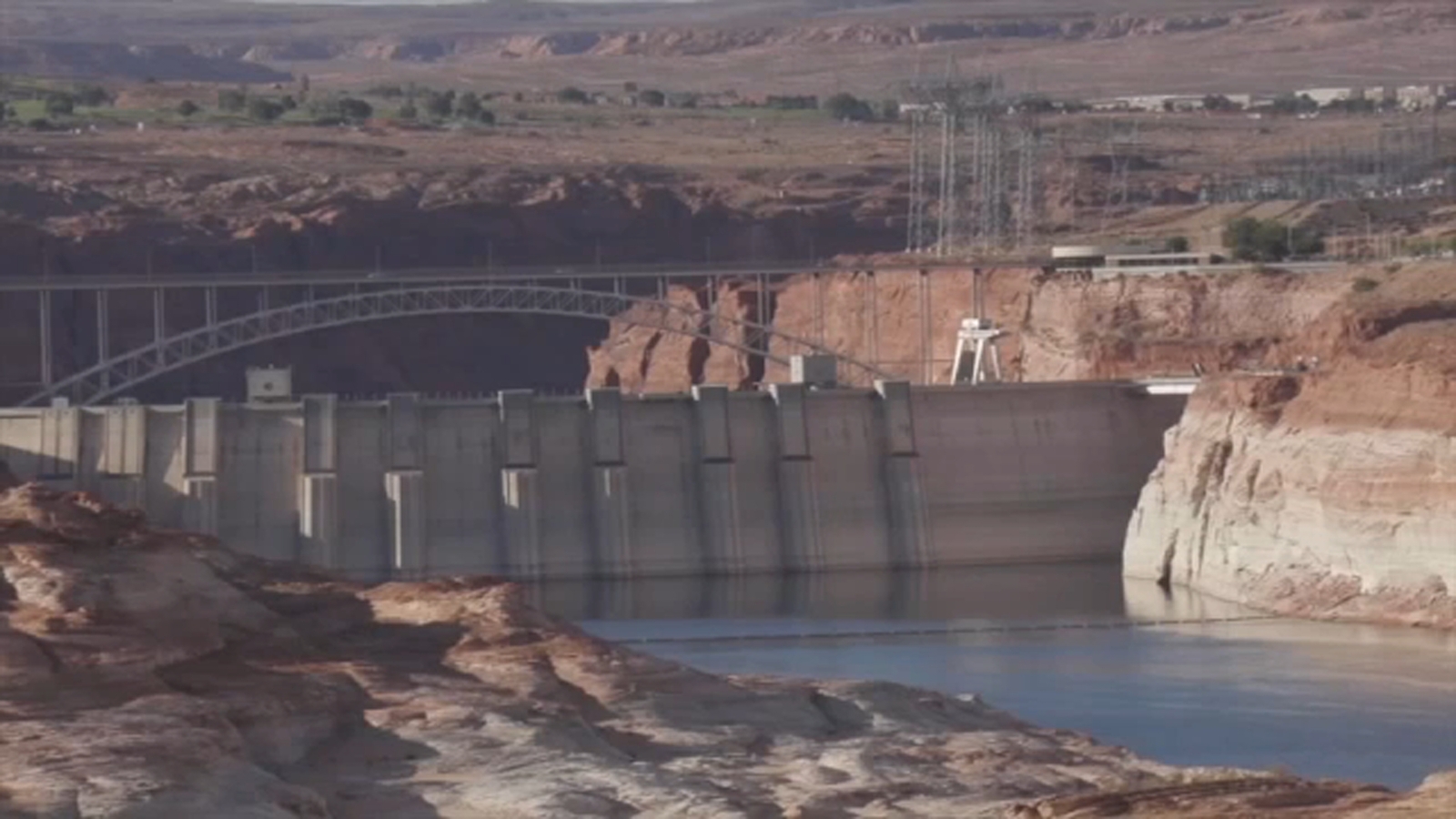
The two largest reservoirs in the United States , Lake Mead and Lake Powell , serve as the canaries in the coal mine for the entire Colorado River basin drought. Both reached historic low water levels this month, triggering alarm bells among water managers across the West. These enormous bodies of water don’t just supply cities and farms; they generate hydroelectric power and sustain entire ecosystems.
Beyond the two flagship reservoirs, eight other Bureau of Reclamation-managed reservoirs recently hit their lowest levels in at least 30 years. Among them:
- Elephant Butte Reservoir in New Mexico, critical for agriculture in southern New Mexico, Texas, and Mexico
- Green Mountain Reservoir, which supplies western Colorado
- Guernsey Reservoir in Wyoming, serving eastern Wyoming farmers and western Nebraska
The Snowpack Problem and El Niño’s Limited Help
The Western United States stores its water in a delicate balance of reservoirs, aquifers, and snowpack. A record-low snowpack this past winter has meant significantly less runoff to replenish these sources. While the upcoming El Niño weather pattern could bring intense moisture to the northern Rockies and the Southwest, climatologists caution that even a strong El Niño cannot undo years of accumulated drought.
“Drought is a slow-onset phenomenon,” explained David Mocko, a senior research scientist who helped create a recent U.S. Drought Monitor map. “It can take time to get into it and time to get out of it.” In other words, even with favorable weather, the recovery timeline stretches well beyond a single wet season.
Farmers Face Impossible Decisions
Agricultural communities are feeling the squeeze most acutely. In Yuma, Arizona, a region that produces roughly 90% of North America’s winter leafy vegetables, farmers like John Boelts are reluctant to plant new acreage. Although Yuma growers hold high-priority water rights that may shield them from cuts during the next two years, the relief is too short-term to support long-term planning.
Crops That Take Years to Mature
Boelts, who serves as president of the Arizona Farm Bureau, points out that many crops simply can’t be turned on and off like a faucet. Citrus trees, date palms, and other orchard crops require years of investment before they become commercially productive. “There’s no food we grow on the run,” he explained. “The beef you eat takes years to produce. The lettuce you’re eating today? A farmer was working on how to grow that product more than six months ago.”
On tribal lands, the challenges are even more complex. Ray Martinez grows alfalfa on a reservation home to the Colorado River Indian Tribes. The tribe holds some of the oldest water rights on the entire river system, but aging irrigation infrastructure has prevented them from accessing a significant portion of their allocation. Martinez has already left some fields unplanted for years to help sustain Lake Mead’s declining levels.
Tribal Water Rights and Infrastructure Gaps
The Colorado River Indian Tribes hold enormous water allocations in Arizona, but much of that water remains physically out of reach due to crumbling or inadequate delivery systems. This paradox , having legal rights to water without the infrastructure to use it , represents one of the most frustrating dimensions of the broader crisis. As reservoir levels continue dropping, the surface water flowing to tribal farms and neighboring operations could face additional restrictions.
“Unfortunately, Mother Nature has her own way of doing things, and we have no control over that,” Martinez noted, reflecting the helplessness many in the agricultural sector feel.
What Residents Should Expect
For everyday residents across the seven affected states, the practical implications of these Colorado River water cuts are becoming harder to ignore:
- Higher water bills as utilities invest in alternative sources and conservation programs
- New restrictions on outdoor watering, pool filling, and landscaping
- Development limits in communities that can no longer guarantee future water supply
- Increased reliance on groundwater, which raises concerns about long-term aquifer sustainability
The Path Forward
While the situation is undeniably dire, the crisis has also spurred unprecedented collaboration. States, tribes, and federal agencies are negotiating complicated water-sharing agreements, investing in desalination technology, and exploring cloud seeding and other weather modification programs. Cities like Las Vegas have already reduced per capita water use dramatically through aggressive conservation mandates and turf replacement programs.
Still, the math remains daunting. The Colorado River serves approximately 40 million people across the West, and the demand has consistently outpaced supply. Climate change, population growth, and decades of overallocation have created a structural deficit that no single wet winter can solve.
Conclusion
The federal drought plan represents the most coordinated response yet to a water crisis that has been building for decades. But as the lawsuit from Nevada demonstrates, the proposed solution has already drawn fierce opposition, and the underlying uncertainty shows no signs of easing. For communities like Cave Creek, for farmers in Yuma, and for tribal nations across the basin, the coming years will demand difficult choices, creative solutions, and perhaps most importantly, a fundamental rethinking of how the West manages its most precious resource. The Colorado River water cuts announced under the new federal plan are just the beginning of a much longer conversation about sustainability, equity, and survival in an increasingly arid region.