
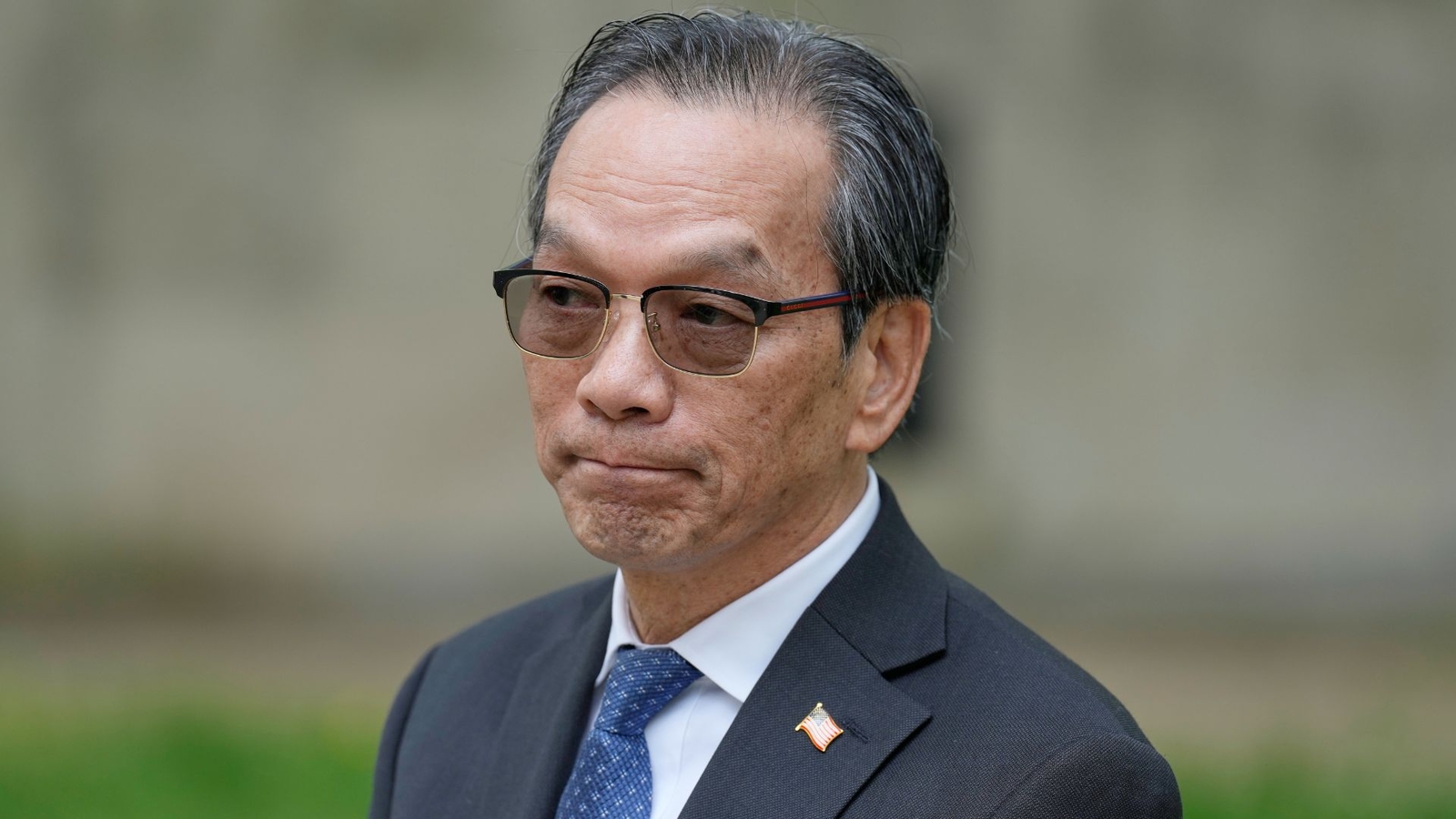
In a landmark case that highlights the reach of foreign influence on American soil, a federal jury delivered a chinese spy outpost conviction against Lu Jianwang, a 64-year-old U.S. citizen accused of running a covert Chinese government outpost from a Manhattan Chinatown office building. The verdict marks a significant moment in U.S. efforts to counter what authorities describe as a global campaign of transnational repression orchestrated by Beijing.
Background: A Secret Outpost in Plain Sight
The story behind this conviction begins with a nondescript office tucked into a Manhattan building, sandwiched between a hotel, a spa, and a coffee shop. To casual observers, the location appeared to be nothing more than a community gathering spot for Chinese immigrants from Fujian province. In reality, federal prosecutors alleged, it functioned as one of more than two dozen covert overseas police stations established by the Chinese Ministry of Public Security to surveil, intimidate, and silence dissidents abroad.
The Establishment of the Manhattan Post
According to trial evidence, Lu Jianwang,also known as Harry Lu,and his co-defendant Chen Jinping established the New York outpost in 2022. The catalyst, prosecutors said, was a ceremony Lu attended in his native Fujian province, where Chinese officials announced plans to open 30 such stations around the world. A large banner recovered from the Chinatown office read: “Fuzhou Police Overseas Service Station, New York USA.”
The location doubled as offices for the America ChangLe Association, a community organization described in tax filings as a “social gathering place for Fujianese people.” ChangLe, meaning “eternal joy,” became the public face of what authorities now characterize as a clandestine operation.
The Trial: Evidence and Arguments
The weeklong trial in Brooklyn federal court unfolded as a high-stakes confrontation between national security concerns and questions of criminal intent. Jurors ultimately convicted Lu on charges of acting as an illegal foreign agent and obstructing justice, while acquitting him on a related conspiracy count.
Key Evidence Presented
- Recovered text messages: Prosecutors showed jurors screenshots from Lu’s phone containing WeChat messages, some deleted but recovered through digital forensics, that allegedly included directives from Beijing to surveil and harass pro-democracy dissidents.
- Dissident testimony: Xu Jie, a Chinese dissident, activist, and YouTuber based in California, testified that he had been specifically targeted by the New York outpost.
- FBI investigation: Agents raided the Chinatown location on October 3, 2022, following a tip from an organization that monitors Chinese transnational repression. The following day, Lu allegedly admitted to establishing the outpost, maintaining contact with his handler via WeChat, and deleting those communications.
Assistant U.S. Attorney Antoinette Rangel argued forcefully in her closing statement that the operation was not Lu’s invention but rather a deliberate Chinese government plan he chose to execute. “The police station wasn’t the defendant’s idea or initiative, this was the Chinese government,” Rangel told jurors. “This was the Chinese government’s plan and the defendant made it happen.”
The Defense: Community Service or Espionage?
Lu’s defense team, led by attorney John Carman, mounted a vigorous challenge to the prosecution’s characterization of their client’s actions. They framed the entire case as an overreach that transformed mundane paperwork failures into an international incident.
A Community Center, Not a Spy Station
The defense argued that the outpost was, at its core, a community resource center established during COVID-19 travel restrictions to help members of the Chinese diaspora renew their driver’s licenses without returning to China. According to Carman, visitors also gathered at the location to play ping-pong and mahjong.
“This is not espionage. This is not spying. This is not intelligence gathering,” Carman emphasized outside the courthouse. “He wasn’t charged with any of that.”
Carman further argued that the subtext of the prosecution amounted to little more than his client “associated with a lot of Chinese people.” He portrayed Lu as a well-meaning community leader whose 45 years in the United States had earned him widespread respect and support.
Legal Nuance in the Foreign Agent Charge
The conviction for acting as an illegal foreign agent hinged specifically on Lu’s failure to notify the U.S. government about his work on behalf of the Chinese government. Prosecutors noted that even if the driver’s license services were genuine, that activity alone would still violate federal disclosure requirements. The obstruction charge stemmed from his deletion of text messages that prosecutors said contained direct instructions from Beijing.
The Broader Picture: Chinese Overseas Police Stations
This conviction represents one piece of a much larger puzzle concerning the proliferation of Chinese overseas police stations in cities across the globe. Human rights organizations have documented dozens of similar outposts operating on five continents, sparking diplomatic disputes and investigations in multiple Western nations.
U.S. Government Response
U.S. Attorney Joseph Nocella Jr. issued a pointed statement following the verdict: “A police station operating in New York City at the direction of the Chinese government has been exposed, its sinister purpose disrupted, and its founder held accountable for blatantly disregarding the law and our country’s sovereignty.”
The case comes amid heightened awareness of FBI Chinese espionage investigations and follows a related announcement that a California mayor planned to plead guilty to charges of promoting Chinese propaganda. Together, these cases illustrate a coordinated federal effort to push back against Beijing’s influence operations within U.S. borders.
Targeting Pro-Democracy Dissidents
Perhaps the most disturbing aspect of the trial concerned allegations that the Manhattan outpost played a role in suppressing pro-democracy dissidents living in the United States. Testimony suggested that dissidents critical of the Chinese Communist Party were tracked, harassed, and pressured through activities coordinated from locations like the one Lu ran. This dimension elevates the case beyond a simple regulatory violation into the realm of foreign intimidation on American soil.
What’s Next: Sentencing and Appeal
Following the verdict, Lu spoke briefly to supporters in his native Fujianese dialect but declined to address reporters. He remains free on bail while awaiting sentencing, which has not yet been scheduled. The penalties he faces are substantial:
- Up to 10 years in prison for acting as an illegal foreign agent
- Up to 20 years in prison for obstruction of justice
Defense attorney Carman announced plans to appeal the conviction, maintaining that the case amounted to a federal prosecution of bureaucratic paperwork errors dressed up as something far more sinister. Chen Jinping, Lu’s co-defendant, pleaded guilty in December 2024 to a charge of conspiracy to act as a foreign agent.
Conclusion: A Watershed Moment in Counterintelligence
The chinese spy outpost conviction of Lu Jianwang represents far more than the outcome of a single criminal trial. It signals the U.S. justice system’s commitment to addressing the unprecedented challenge of foreign governments establishing operational footholds within American communities under the guise of cultural or civic engagement. As overseas police stations continue to draw scrutiny worldwide, the Manhattan case may well serve as a template for future prosecutions aimed at protecting dissidents, defending national sovereignty, and ensuring that community spaces do not become instruments of foreign repression. The coming months will reveal whether the conviction withstands appeal and how it shapes the broader U.S. response to a new era of covert foreign operations on domestic soil.