
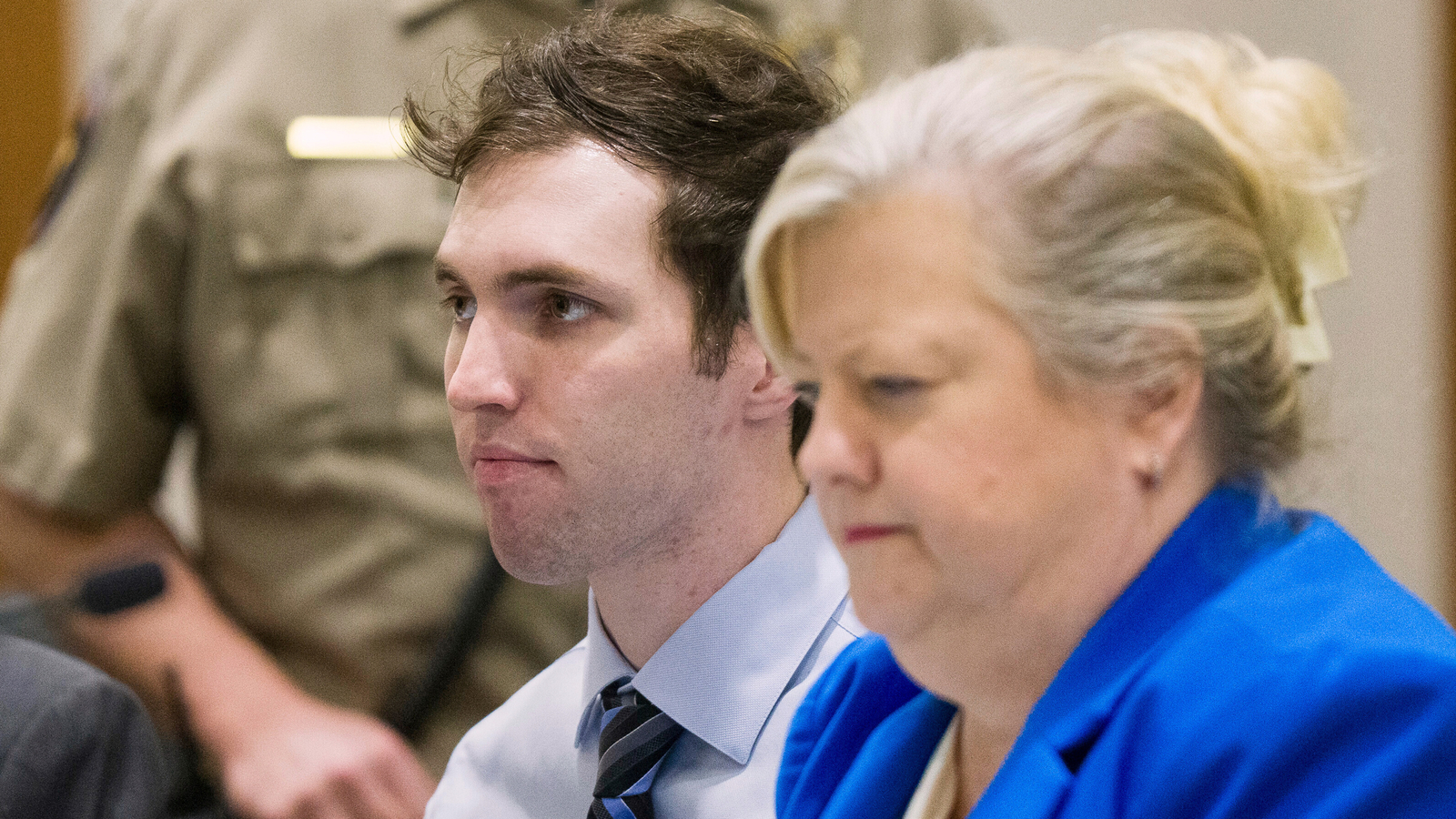
The Charlie Kirk murder trial took a significant step forward this week as a Utah judge ruled that the case against Tyler Robinson will proceed to trial, with the 23-year-old defendant now facing the possibility of capital punishment if convicted. Utah District Judge Tony Graf sided with prosecutors who presented what they characterized as overwhelming evidence linking Robinson to the fatal shooting of the conservative activist and Turning Point USA co-founder during a speaking event in September.
This decision marks a pivotal moment in a case that has drawn national attention, touching on issues of political violence, gun control, and the administration of justice in high-profile cases. Robinson, who surrendered to authorities the day after the shooting at Utah Valley University, has yet to enter a plea and now confronts the most serious legal consequences available under Utah law.
Judge Sends Case to Trial, Rejects Defense Challenge
During a hearing Tuesday at the heavily secured Fourth Judicial District Courthouse in Provo, Judge Graf delivered his ruling from the bench, determining that prosecutors had presented sufficient evidence to establish that Robinson’s alleged actions created a danger to others beyond just Kirk himself. This legal threshold is critical under Utah’s aggravated murder statute, which is the basis for pursuing the death penalty.
“These circumstances support a reasonable inference that defendant was aware that other individuals were positioned near Mr. Kirk when he fired,” Graf stated in his ruling. The judge specifically noted that Robinson allegedly fired from a rooftop located more than 400 feet away from Kirk’s position on an elevated stage, making the precise trajectory of the bullet unpredictable and potentially endangering others in the crowd of thousands.
Robinson’s defense team had attempted to block the case from advancing to trial by arguing that prosecutors failed to demonstrate that people other than Kirk were placed at meaningful risk during the shooting. They characterized the prosecution’s approach as an attempt to “shoehorn” the case into the aggravated murder statute. However, Graf rejected this argument, finding that the geographic distance and the public nature of the event established a reasonable probability that bystanders could have been harmed.
Understanding the Aggravated Murder Charge
The distinction between standard murder and aggravated murder carries enormous weight in Utah’s legal system. A conviction for simple murder carries a sentence ranging from 15 years to life imprisonment. Aggravated murder, however, opens the door to capital punishment.
Legal experts have noted that one of the central questions in determining whether to enhance charges to aggravated murder involves whether the shooter knowingly created a risk of death to anyone in the vicinity of the victim. Prosecutors argued that Robinson’s choice to fire from such a significant distance at an open-air event attended by thousands demonstrated awareness of, and disregard for, the safety of those present.
According to Steve Burton, director of the Utah Defense Attorney Association, Graf had multiple options available to him. The judge could have ruled that the evidence only supported a lesser murder charge, thereby removing the death penalty from consideration entirely. By instead allowing the aggravated murder charge to stand, the judge has ensured that prosecutors can pursue the full range of penalties if they secure a conviction.
The Prosecution’s Evidence Against Tyler Robinson
Over five days of preliminary hearings in July, prosecutors laid out what they described as a “mountain of evidence” connecting Robinson to Kirk’s death. The evidentiary foundation includes DNA analyses that investigators say link Robinson to the suspected murder weapon, a bolt-action rifle found with one spent round, and to a tool allegedly used by Robinson to engrave bullet cartridges.
Perhaps equally significant is the digital trail prosecutors have assembled. They presented Discord messages, text exchanges with Robinson’s reported romantic partner Lance Twiggs, and other communications that they argue demonstrate both premeditation and motive. In a recorded interview with investigators, Twiggs indicated that Robinson expressed regret after the shooting, reportedly saying he “wishes he hadn’t done it.” However, approximately one hour before turning himself in to authorities, Robinson allegedly posted “it was me at UVU yesterday” in an online chat room.
Defense attorneys have challenged the reliability of the DNA testing methodologies used by investigators and fought unsuccessfully to prevent the public release of Twiggs’ interview. They warned that prosecutors might characterize Twiggs’ account as a confession, even though Twiggs himself stated that he had never heard Robinson discuss Kirk or his political views prior to the shooting.
Inside the Courtroom
The gravity of the proceedings was evident in the heavy security measures implemented around the Provo courthouse. Kirk’s family, including his parents Robert and Kathryn Kirk and his widow Erika Kirk, attended the hearing in person. The family notably stepped out of the courtroom during a portion of the prosecutor’s argument that described graphic details of the shooting.
Robinson himself showed no visible reaction to the arguments presented. His mother, Amber Robinson, watched from the gallery while his father, Matt Robinson, listened with his head bowed. A small group of supporters associated with Turning Point USA arrived at the courthouse with signs expressing support for Erika Kirk but were directed by security to remove the signs from the court property.
The Alleged Political Motivation
One of the most closely scrutinized aspects of the Charlie Kirk murder trial is the question of whether the shooting was politically motivated. Prosecutors have argued that Robinson targeted Kirk specifically because of his political views and his role in mobilizing the conservative youth vote that helped President Donald Trump secure a second term in the White House.
Central to this argument is an engraved bullet allegedly found in the suspected murder weapon. The inscription reads “Hey Facist! CATCH!” which prosecutors described in court documents as “an overt political reference.” Additionally, prosecutors presented what they claim is a handwritten note Robinson left for his romantic partner, which included the statement, “I had the opportunity to take out Charlie Kirk, and I took it.”
Investigators also allege that Robinson wrote a text message stating, “I had enough of his hatred. Some hate can’t be negotiated out.” If prosecutors can demonstrate that Robinson targeted Kirk because of his political beliefs, additional sentencing enhancements could potentially be applied beyond the death penalty.
Robinson’s attorneys have countered that the evidence of political motivation is insufficient to meet the legal standards required for such enhancements. They have focused their legal strategy on procedural challenges rather than offering alternative theories about who killed Kirk or presenting affirmative defenses.
What Comes Next in the Proceedings
With the case now officially headed to trial, the legal process enters a new phase. Robinson still must enter a plea, and his defense team is expected to continue their efforts to remove the death penalty as a potential punishment. The prosecution will need to prepare for what promises to be one of the highest-profile criminal trials in recent Utah history.
Security arrangements are likely to remain stringent given the political sensitivity of the case and the public attention it has attracted. The trial itself is expected to draw significant media coverage and may have implications beyond Utah’s borders, particularly for ongoing discussions about political violence, threats against public figures, and the prosecution of ideologically motivated crimes.
Legal observers will be watching closely to see how the defense further develops its strategy, particularly regarding the question of whether Robinson will ultimately accept a plea agreement or proceed to a full trial. The defense’s continued focus on procedural challenges suggests they may be laying the groundwork for appeals regardless of the trial’s outcome.
Broader Implications of the Ruling
The decision to allow the death penalty to remain on the table reflects a judicial finding that the statutory aggravating factors have been satisfied. This has important implications not just for Robinson personally, but for how similar cases might be prosecuted in the future. The interpretation of what constitutes risking the lives of bystanders in a public shooting scenario will likely influence prosecutors across the country who handle cases involving attacks at public events.
The case also continues to fuel national conversations about the safety of political figures and the limits of acceptable political discourse. Kirk’s organization, Turning Point USA, had grown into one of the most influential conservative youth organizations in America before his death, and his assassination has prompted renewed scrutiny of security protocols for political events held on college campuses.
Conclusion
The ruling that moves the Charlie Kirk murder trial forward represents a crucial milestone in one of the most closely watched criminal cases of the past year. With Tyler Robinson now facing the prospect of capital punishment, the stakes have been raised considerably for both the prosecution and the defense. While Robinson’s legal team will undoubtedly continue to mount procedural challenges and work to exclude the death penalty as an option, Judge Graf’s decision ensures that the case will proceed through Utah’s criminal justice system. As the trial date approaches, the nation will be watching to see how the evidence presented by both sides shapes the outcome and what it means for the broader discussions about political violence and accountability in America.