
On a quiet Wednesday evening, what should have been a routine training operation turned into one of the most heartbreaking aviation incidents of the year. A Carlisle Airport midair collision between a small Cessna 150 airplane and a Pennsylvania State Police helicopter left one experienced pilot dead and two troopers injured, sending shockwaves through the local aviation community and beyond.
The catastrophic event unfolded shortly before 7 p.m. near the Carlisle Regional Airport in Pennsylvania’s Cumberland Valley, raising urgent questions about safety at uncontrolled airfields and the circumstances that led a certified flight instructor to collide with a state police helicopter mid-flight.
The Crash: What We Know So Far
According to investigators, the Cessna 150 and the Bell 407 helicopter collided midair in what Acting Pennsylvania State Police Commissioner Col. George Bivens described as a “very violent” crash. The helicopter had been conducting a training exercise, performing what’s known in aviation circles as a “hover taxi” , a maneuver in which the aircraft lifts just a few feet off the ground and maneuvers at low altitude.
The helicopter had begun to drift off to the side of the runway when the Cessna approached, according to NTSB investigator-in-charge Aaron McCarter. “When he comes off the runway, that’s when the Cessna came in, straight level, suddenly increased its pitch, severe nose up,” McCarter explained during a press briefing. The plane then turned and leveled off before striking the helicopter from behind.
Dramatic CCTV footage, later verified by ABC News, captured the horrifying moment of the carlisle airport collision. While the images show the final, devastating outcome, investigators have made clear that understanding the “why” behind the crash remains their top priority.
The Victims and Survivors
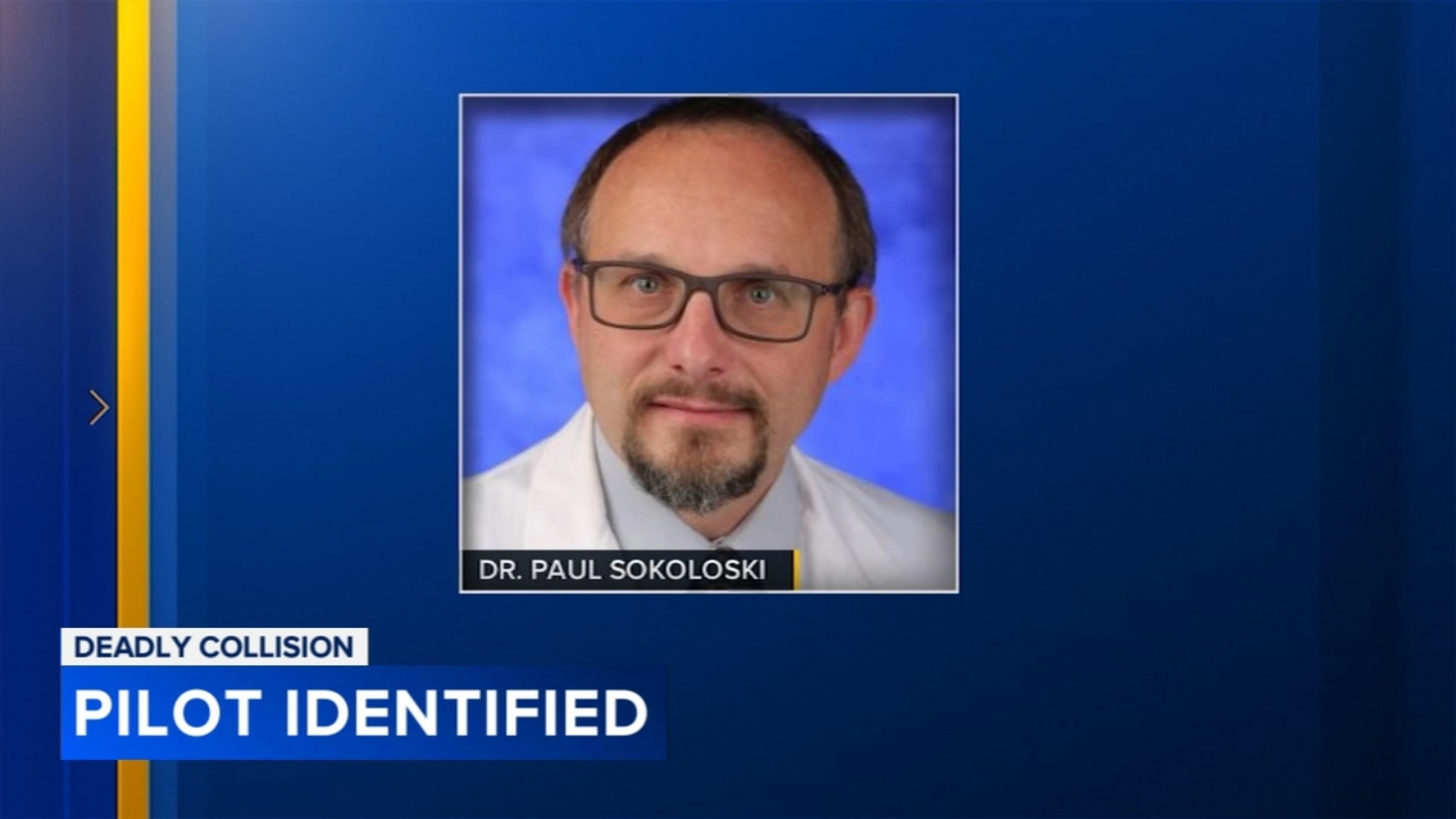
The Cumberland County Coroner’s Office identified the lone occupant of the Cessna as Dr. Paul Sokoloski, 57, of Hershey, Pennsylvania. Sokoloski was not just any pilot , he was a certified flight instructor with extensive experience in the air. In his professional life, he served as part of the emergency medicine team at Penn State Health, which released a statement calling him a “valued member” of their organization.
Inside the state police helicopter were two troopers: Cpl. Bryce Corman and Trooper Jason Mills. Both were injured in the impact but, remarkably, are expected to recover from what officials described as minor injuries. Pennsylvania Governor Josh Shapiro, who visited the survivors at Penn State Health Milton S. Hershey Medical Center, expressed gratitude that the outcome wasn’t worse, saying, “Tonight could have been much worse.”
According to Bivens, both troopers were initially trapped inside the helicopter wreckage. Corman, however, was able to push out a window and help his partner escape before emergency responders arrived on the scene.
The Aftermath at the Wreckage Site
The Cessna crashed a short distance from the helicopter and broke into multiple pieces upon impact with the ground. The Bell 407 helicopter, meanwhile, lost its rotor blades in the collision before crashing to the ground and rolling onto its side. The destruction was so severe that investigators immediately classified the carlisle airport midair collision as a “catastrophic” event requiring a full NTSB investigation.
Why Did It Happen? The Investigation Unfolds
The National Transportation Safety Board has launched a thorough investigation into the Cessna 150 helicopter crash, examining what McCarter described as “the man, the machine, the environment.” Several key factors are already under review:
- Communication Records: Investigators report there is “strong evidence” that the Cessna pilot was aware of the helicopter hovering in the area. McCarter confirmed the two aircraft were communicating with each other on the shared frequency used at the uncontrolled airfield.
- Maintenance History: Witnesses told investigators that Sokoloski had been performing maintenance on his aircraft the day before the crash. While McCarter was careful to note that maintenance hasn’t been ruled as a cause, investigators are reviewing those records closely.
- Flight Pattern: The Cessna pilot had flown south for several hours conducting some type of training exercise before returning to Carlisle on the day of the crash. Investigators are working to reconstruct his flight path and altitude patterns.
- Pilot Qualifications: As a certified flight instructor, Sokoloski would have had significant training and experience, adding another layer of complexity to the investigation.
The Challenge of Uncontrolled Airports
One critical detail that has emerged from the early stages of the NTSB investigation carlisle airport probe involves the nature of the airfield itself. Carlisle Regional Airport is an uncontrolled airport, meaning there is no air traffic control tower and no controllers on duty to manage the flow of aircraft.
At these smaller airfields, pilots are responsible for self-separation and coordination through a shared radio frequency that everyone in the vicinity can monitor. While this system generally works well, it places an enormous burden on pilots to maintain situational awareness and communicate clearly , a factor that is undoubtedly being scrutinized as part of the broader carlisle airport crash investigation.
This isn’t the first time the risks of uncontrolled airports have made headlines. Across the country, similar facilities handle thousands of takeoffs and landings each year, relying on pilot cooperation rather than institutional oversight. Aviation safety advocates have long argued that the system, while functional, leaves room for tragic miscommunications , exactly the kind that may have occurred on this August evening.
What’s Next for the Investigation
The NTSB team is expected to remain on scene for several days as they piece together the wreckage, interview witnesses, review radar data, and analyze cockpit communications. McCarter has indicated that the uncontrolled airport midair collision will be examined from every angle, including the possibility of mechanical failure, pilot decision-making, and environmental conditions at the time of the crash.
A preliminary report is typically released within weeks of such incidents, with a full factual report and final probable cause determination potentially taking 12 to 24 months to complete. In the meantime, the aviation community will be watching closely for any interim safety recommendations that emerge.
Remembering Dr. Paul Sokoloski
Beyond the technical investigation, there is a human story at the center of this tragedy. Dr. Sokoloski’s death marks the loss of a husband, colleague, and mentor , both in medicine and in aviation. Penn State Health’s tribute to him as a “valued member” of their emergency medicine team speaks to a career dedicated to saving lives, ended far too soon under heartbreaking circumstances.
Meanwhile, Cpl. Corman and Trooper Mills face their own recovery, both physically and mentally. The trauma of surviving a catastrophic midair collision will likely stay with them, even as they return to duty in the weeks and months ahead.
A Community in Mourning
The Cumberland County plane crash has sent ripples through Hershey, Carlisle, and the broader Pennsylvania aviation community. Local pilots, airport staff, and first responders have been left grappling with the reality that a place many consider a tight-knit community of aviation enthusiasts has become the site of an unspeakable tragedy.
As investigators work tirelessly to determine exactly how two aircraft, fully aware of each other’s presence, could still collide in such a violent manner, the families of those affected continue to mourn. The questions raised by the Cessna helicopter collision Pennsylvania will linger for some time , but so too will the memory of the lives forever changed by one ordinary Wednesday evening gone terribly wrong.