
In what has become one of the most significant canvas data breach incidents targeting the education sector, thousands of schools and universities across the United States have been impacted by a large-scale cyberattack on the widely used Canvas learning management system. The Canvas platform, owned by Instructure, serves as the digital backbone for coursework, assignments, and academic communication at countless institutions, making this breach particularly alarming for students, faculty, and administrators nationwide.
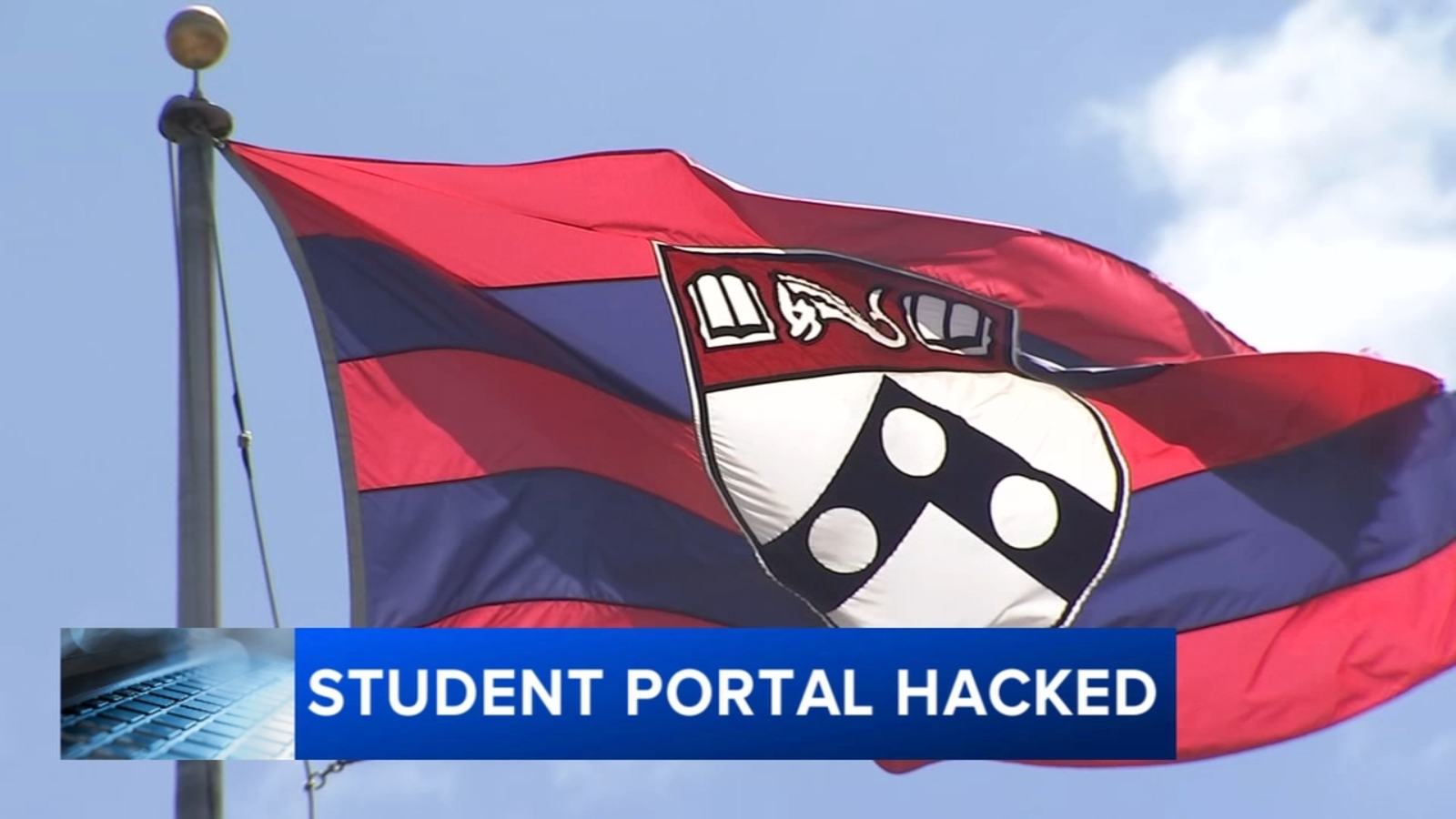
The University of Pennsylvania is among the institutions reportedly affected, with hackers allegedly posting a message on Penn’s Canvas page threatening to release stolen data unless the institution made contact before May 12. Other universities in the Philadelphia area, including Rowan and Rutgers, have also begun notifying their student populations about potential impacts from the breach.
The Scale of the Incident
This isn’t just another isolated security incident. According to cybersecurity experts and educational technology analysts, the breach has potentially affected millions of users across thousands of institutions. Rob D’Ovidio, an associate professor in Drexel University’s Department of Criminology, highlighted the unusual nature of this attack, noting that its sector-wide scope makes it stand apart from typical cyber incidents.
“The one thing that stands out with this attack is its sector-wide. We have a vendor that’s used by almost the majority of education institutions around the country,” D’Ovidio explained. This concentration of risk through a single platform means that a vulnerability in one system can cascade into problems for countless educational communities simultaneously.
Which Schools Have Been Impacted?
The canvas data breach has touched institutions at every educational level, from K-12 schools to major research universities. While the full list of affected institutions continues to develop as investigations progress, several have been publicly identified:
- University of Pennsylvania – Hackers reportedly accessed Penn’s Canvas page directly
- Rowan University – The institution has issued notifications to its student body
- Rutgers University – Students have been formally informed about breach-related impacts
- Numerous other K-12 districts and universities nationwide still assessing their exposure
Students at Penn have expressed frustration over the lack of direct communication from university officials, with many learning about the incident through news reports rather than official channels. This communication gap has become a significant point of concern for those affected.
What Information Was Exposed in the Canvas LMS Breach?
Understanding exactly what data was compromised is essential for anyone potentially affected by this canvas data breach. While the news may seem alarming, cybersecurity experts have clarified that the most sensitive personal information appears to remain protected.
Data NOT Compromised
According to current reports, the following high-risk information was not exposed in the attack:
- Social Security numbers
- Usernames and passwords
- Financial account information
Data That Was Exposed
The compromised data from the Instructure data breach includes information that, while less sensitive than financial credentials, still poses meaningful risks to affected individuals:
- Full names of students and faculty
- Email addresses
- Internal messages and communications
- Student ID numbers
This combination of personal details creates a concerning profile that cybercriminals can use to craft convincing fraudulent schemes, particularly phishing campaigns targeting the academic community.
Why Students Are Prime Targets After a University Data Breach 2025
Educational institutions have long been attractive targets for cybercriminals, and the university data breach 2025 landscape has proven no different. Students represent an especially vulnerable population for several compelling reasons:
High Digital Engagement
Modern students live significantly online. As one Penn junior named Charles Shen noted, “We use canvas for all our classes, usually professors put our assignments on there. Pretty big part of our day-to-day life.” Senior Eric Zuckerman echoed this sentiment, adding, “I think everything these days is all on Canvas… even for my calendar.” This deep integration of digital tools into daily academic life creates numerous opportunities for attackers to exploit.
Limited Cybersecurity Awareness
Many college students, particularly freshmen adjusting to academic life, may not have developed robust habits for identifying suspicious communications or protecting their personal information online.
Desensitization to Breach News
A concerning trend has emerged among younger users. Sarah Parmet, a Penn freshman, captured this phenomenon when she remarked, “It’s almost like this desensitization.” With major data breaches occurring with increasing frequency, many individuals have begun to tune out these warnings, which paradoxically makes them more vulnerable to follow-up attacks.
Real Risks: Phishing Attacks and Fraudulent Schemes
The most significant immediate danger following the canvas data breach comes not from the exposed data itself but from how cybercriminals will weaponize it in subsequent attacks. Experts have warned that affected users should brace for an uptick in phishing attacks targeting students specifically.
How Phishing Attacks Will Likely Evolve
Armed with names, student IDs, and email addresses, fraudsters can craft highly convincing phishing emails that appear to come from legitimate university sources. These messages might claim to offer:
- Financial aid updates or scholarship opportunities
- Course registration deadlines requiring immediate action
- Account verification requests that lead to credential harvesting sites
- Fake job offers targeting graduating students
- Bogus textbook discounts or student discount programs
“If I was a Canvas user at an institution that was compromised, I’d be on the lookout for phishing attacks,” D’Ovidio emphasized, highlighting that vigilance is the most important defense.
The Secondary Market for Stolen Data
Security researchers believe the group responsible may not directly use the stolen information. Instead, they may sell these datasets to other criminal organizations, multiplying the risk over time. Once personal information circulates on dark web marketplaces, it can fuel countless fraudulent schemes for years to come.
What the Hackers Are Demanding
The threat actors behind the Instructure data breach have reportedly made a direct financial demand to affected institutions. According to the message posted on Penn’s Canvas page, universities were given until May 12 to contact the group before their data would be released publicly.
This ransomware-style approach is becoming increasingly common in attacks targeting educational institutions. Cybersecurity experts universally advise against paying such demands for several reasons:
- No guarantee of compliance – Paying does not ensure data will be deleted or remain private
- Funds criminal operations – Payments enable attackers to continue targeting other institutions
- Marks institutions as targets – Successful payments often lead to repeat attacks
- Doesn’t prevent resale – Data may already have been duplicated or sold
Protecting Yourself After the Canvas Data Breach
If you believe your institution may have been affected by this canvas data breach, taking proactive steps now can significantly reduce your vulnerability to follow-up attacks.
Immediate Actions to Take
- Monitor your email closely for suspicious messages, especially those creating urgency or requesting personal information
- Be skeptical of unsolicited communications claiming to be from your university, financial aid office, or IT department
- Watch for red flags in emails, such as unfamiliar sender addresses, generic greetings, or links to unfamiliar websites
- Verify independently by contacting your institution directly through official channels if you receive suspicious messages
- Enable two-factor authentication on all academic and personal accounts where possible
Long-Term Vigilance Practices
The effects of this breach will likely extend well beyond the initial incident. Students should plan to maintain heightened awareness for months and potentially years following the exposure of their information.
“Once they get this basic information, name, student ID, email, you become an increased risk you’ll be targeted,” D’Ovidio warned. This means even seemingly minor communications should be scrutinized carefully in the coming months.
The Bigger Picture: Education Sector Cybersecurity
This canvas data breach highlights a fundamental vulnerability in how educational technology is deployed. When a single platform serves millions of users across thousands of institutions, the potential impact of any security failure is enormous. Universities and K-12 schools often operate with limited cybersecurity budgets compared to private sector organizations of similar size, making them attractive targets for sophisticated criminal groups.
The incident underscores the need for the entire education sector to invest more heavily in cybersecurity infrastructure, vendor risk assessment, and incident response capabilities. It also illustrates the importance of clear, timely communication with affected communities when breaches do occur.
Conclusion: Staying Ahead of the Threats
The 2025 canvas data breach represents a watershed moment for educational cybersecurity, affecting thousands of institutions and millions of students nationwide. While the exposed data did not include the most sensitive financial credentials, the combination of names, email addresses, and student IDs creates significant opportunities for phishing attacks and identity-related fraud in the coming months.
For students, faculty, and staff at affected institutions, the path forward requires sustained vigilance rather than momentary concern. By understanding what information was exposed, recognizing the warning signs of phishing attempts, and maintaining healthy skepticism toward unexpected communications, individuals can dramatically reduce their risk of becoming victims of follow-up attacks. The hackers behind this breach may move on to their next target, but the consequences for those whose data was exposed will continue long after the news cycle fades.
Stay informed, stay skeptical, and prioritize your digital safety as the education sector continues to navigate the aftermath of this unprecedented security incident.