
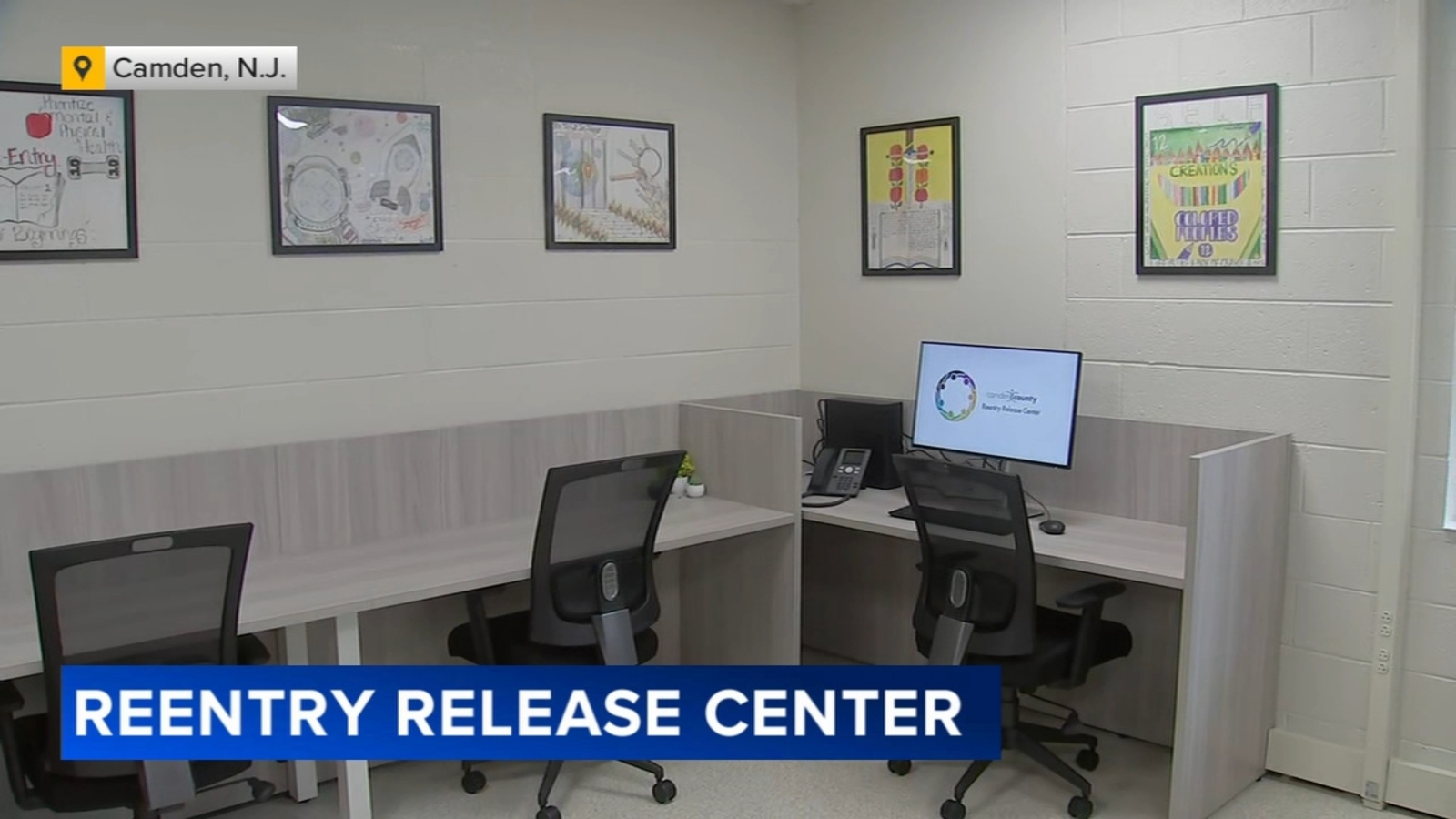
Camden County, New Jersey has taken a significant step forward in addressing one of the most pressing challenges in the criminal justice system. The recently opened reentry release center, celebrated by the Camden County Board of Commissioners, is designed to help formerly incarcerated individuals navigate the often difficult transition back into society. By offering a comprehensive suite of supportive services, the facility aims to reduce recidivism, promote public safety, and empower returning citizens to build stable, productive lives.
Addressing the Reentry Crisis in America
Every year, hundreds of thousands of individuals are released from correctional facilities across the United States. For many, the journey from incarceration back to community life is fraught with obstacles. Studies have consistently shown that people leaving prison face a dramatically higher risk of homelessness, unemployment, untreated health conditions, and,in far too many cases,reincarceration.
Research from the Bureau of Justice Statistics indicates that a significant percentage of released individuals are rearrested within just a few years of their return. These outcomes are not simply a reflection of personal choices but rather the result of systemic barriers that make successful reintegration extraordinarily difficult. Without proper support, individuals often struggle to find housing, secure meaningful employment, manage mental and physical health challenges, or reconnect with family and community networks.
Recognizing this reality, communities across the nation have begun investing in inmate reentry programs that address these barriers head-on. Camden County’s new facility represents one of the most ambitious local efforts to date.
Inside the Camden County Reentry Release Center
The reentry release center in Camden specifically serves individuals who are leaving the Camden County Correctional Facility. Its mission is straightforward but powerful: ensure that no one walks out of the correctional system without a clear pathway to stability and self-sufficiency.
At the heart of the center’s approach is the use of peer support specialists,individuals who have lived through incarceration themselves and have successfully rebuilt their lives. These specialists understand the unique challenges that returning citizens face because they have experienced them firsthand. Their role goes far beyond simple counseling; they act as mentors, advocates, and guides who walk alongside participants during the critical early days and weeks of reentry.
Comprehensive Services Offered
The center provides a robust combination of services designed to address the multifaceted nature of reentry. These services fall into several key categories:
- Housing Support: Securing stable housing is one of the most immediate and pressing needs for anyone leaving a correctional facility. The reentry release center connects individuals with emergency shelter options, transitional housing programs, and long-term affordable housing solutions. Without a stable place to live, every other aspect of reintegration becomes significantly harder.
- Employment Services: Finding meaningful work is another cornerstone of successful reintegration. The center offers job placement assistance, resume building, interview preparation, vocational training, and connections to local employers willing to provide second chance opportunities to formerly incarcerated individuals.
- Healthcare Access: Many people leaving correctional facilities have unresolved medical, dental, or behavioral health needs. The center provides referrals and assistance in accessing primary care, mental health services, substance use treatment, and prescription medications.
- Documentation Assistance: Replacing lost identification documents, securing Social Security cards, and navigating the bureaucracy of state agencies can be overwhelming. Staff at the center help participants obtain the essential paperwork needed to access employment, housing, and benefits.
- Family Reunification Support: Rebuilding relationships with children, spouses, and extended family members is often a critical component of long-term success. The center offers counseling and referral services to help facilitate these reunifications.
Why Peer Specialists Make a Difference
The decision to staff the reentry release center with peer specialists is rooted in decades of research showing that shared lived experience is one of the most powerful tools for behavioral and social change. A peer specialist can offer something that no clinician, case manager, or bureaucrat can replicate: authentic understanding.
When a newly released individual sits across from someone who has served time, made mistakes, faced rejection, and ultimately built a life worth living, the message is clear,change is possible, and you are not alone. This kind of mentorship breaks through the cynicism and distrust that many returning citizens carry with them, creating space for genuine engagement with available services.
Peer specialists also serve as cultural bridges between the returning citizen and the broader community. They help individuals understand workplace norms, navigate social situations, and develop the soft skills that are essential for long-term success but rarely taught explicitly.
A Community-Wide Commitment
The opening of the new center reflects more than just a county-level initiative. It signals a broader commitment to criminal justice reform and community healing in Camden. For decades, the city has faced significant economic and social challenges, and high rates of incarceration have contributed to cycles of poverty and instability that are difficult to break.
By investing in reentry infrastructure, Camden County is sending a powerful message: that the community does not give up on its residents, even after they have made serious mistakes. This philosophy recognizes that the vast majority of incarcerated individuals will eventually return to their communities. The question is not whether they come back, but what kind of support they will receive upon their return.
Local leaders hope that the center will not only improve individual outcomes but also strengthen public safety, reduce the financial burden of reincarceration, and foster stronger neighborhoods throughout the region.
Challenges and the Road Ahead
While the opening of the reentry release center is cause for celebration, officials acknowledge that significant challenges remain. Funding for ongoing operations, expanding partnerships with local employers, and ensuring that services remain accessible to all who need them will require sustained effort and collaboration.
There is also the larger question of scaling successful models like this one. Across the country, communities are experimenting with various approaches to reentry support, and sharing best practices among counties, states, and nonprofit organizations is essential for advancing the field.
Measuring Success
To demonstrate the impact of the center, county officials are expected to track key metrics over time, including:
- Recidivism rates among program participants compared to those who do not engage with the center
- Employment placement and retention statistics
- Housing stability outcomes
- Engagement with healthcare and behavioral health services
- Participant satisfaction and self-reported wellbeing
These data points will help refine the program, justify continued investment, and serve as a model for other jurisdictions considering similar initiatives.
Conclusion
The grand opening of Camden County’s new reentry release center marks a meaningful milestone in the ongoing effort to build a more just and effective criminal justice system. By recognizing that reintegration is a process,not an event,and by providing formerly incarcerated individuals with the housing, employment, healthcare, and human support they need to succeed, the county is investing in outcomes that benefit everyone.
Communities are stronger when they offer paths forward rather than permanent punishment. Camden’s latest initiative demonstrates what is possible when local leaders, peer specialists, and service providers come together around a shared vision of second chances. For the thousands of individuals who will pass through its doors in the years ahead, the center represents not just a building, but a genuine opportunity to rewrite the story of their lives.