
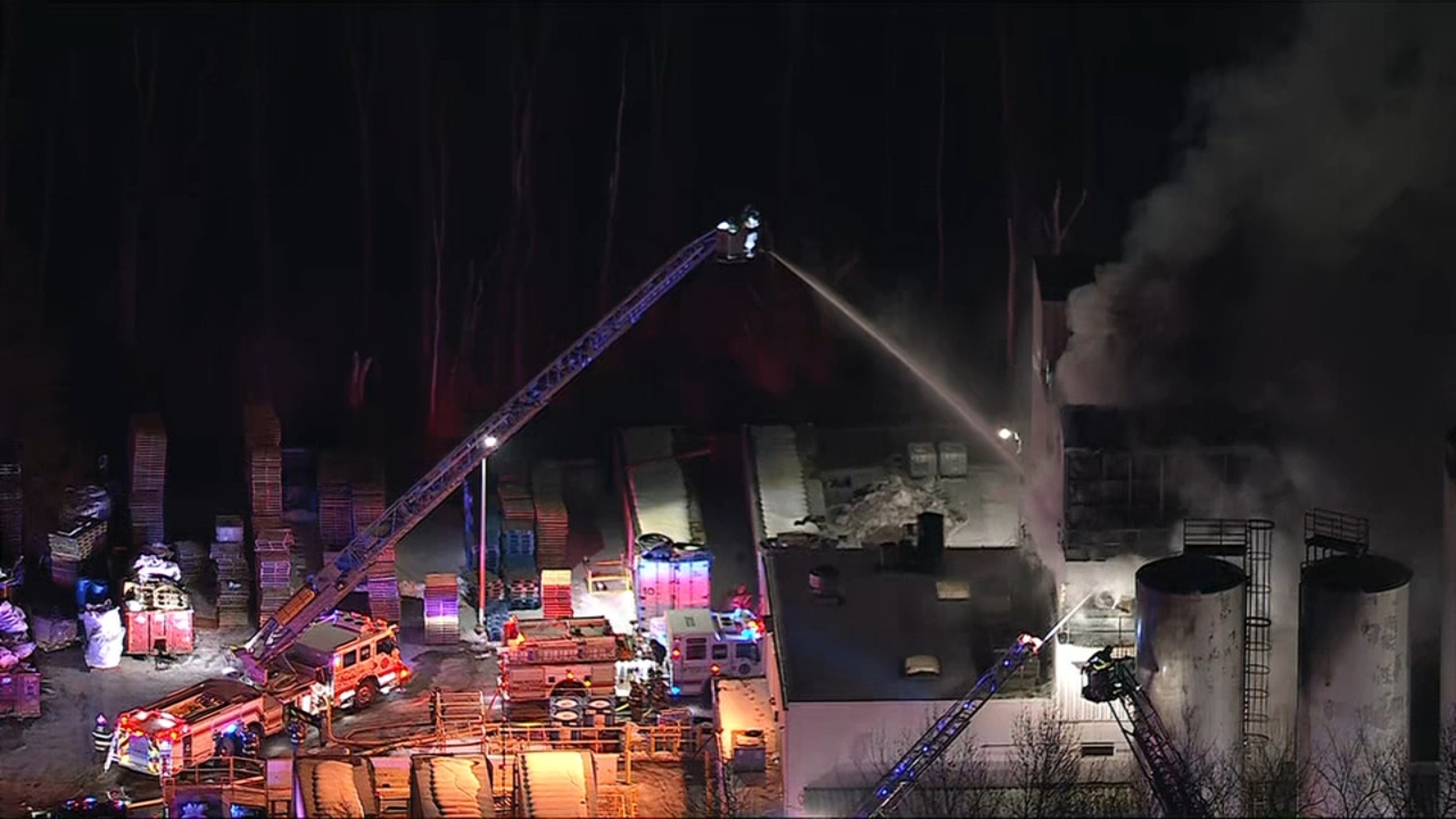
A significant factory fire broke out at an industrial facility in Burlington Township, New Jersey, on Thursday night, prompting a coordinated multi-alarm response from local firefighters. The blaze ignited at American Custom Drying, a spray-drying processing plant located on the 100 block of Elbow Lane, and required the dedication of numerous emergency crews before it could be brought under control.
Emergency dispatchers received the first calls reporting flames at approximately 9:24 p.m., sending fire engines racing to the scene. When first responders arrived, they encountered a daunting situation: visible flames pouring from a multi-story industrial building, with smoke billowing into the night sky above Burlington County. The intensity and scale of the fire quickly escalated, prompting officials to call for a second alarm to bring in additional resources and personnel.
The Incident Timeline and Emergency Response
Understanding the rapid progression of this factory fire helps illustrate the challenges firefighters face when battling industrial blazes. Here’s how the evening unfolded:
- 9:24 p.m. – The initial fire is reported at American Custom Drying on Elbow Lane in Burlington Township.
- First arrival – Crews reach the scene and discover active flames coming from the multi-story structure.
- Escalation – Due to the fire’s intensity, command staff upgrade the response to a second alarm.
- Just before 10:30 p.m. – Firefighters successfully bring the blaze under control after roughly an hour of intense operations.
The second alarm designation is a critical escalation in firefighting protocol. When a first-alarm response proves insufficient, a second alarm brings additional engines, ladder trucks, and personnel to the scene. For a multi-story industrial building, this level of response is often necessary to safely combat the fire while protecting firefighters from structural collapse risks and ensuring adequate water supply for sustained suppression efforts.
About the Affected Facility
American Custom Drying operates as a specialized industrial processor, with its operations centered on spray-dried ingredients used across various industries. According to the company’s website, the facility processes a comprehensive line of industry-standard spray-dried ingredients that serve as components in countless consumer and commercial products.
Spray drying is a sophisticated manufacturing process that involves transforming liquid materials into dry powder form through the rapid application of heated air. While this process is highly efficient and widely used in food production, pharmaceuticals, and chemical manufacturing, the equipment and materials involved present unique fire hazards that require specialized safety protocols.
Investigation and Community Impact
Following the successful containment of the factory fire, attention shifted to determining how the blaze started and assessing any potential injuries. At the time of initial reporting, authorities had not yet confirmed whether anyone had been hurt in the incident. The cause of the fire remained under active investigation, with fire marshals and local officials working to piece together the circumstances that led to the emergency.
Industrial Fire Safety Considerations
Industrial fires like the one that struck this Burlington Township factory present unique challenges compared to residential or commercial structure fires. Several factors make facilities like American Custom Drying particularly vulnerable to serious fire incidents:
- Combustible materials – Many spray-dried ingredients and the powders themselves can present fire risks under certain conditions, especially when airborne dust accumulates.
- Complex machinery – Industrial spray dryers operate at extremely high temperatures, creating potential ignition sources if equipment malfunctions.
- Large building footprints – Multi-story industrial buildings often contain fire loads that can overwhelm initial suppression attempts.
- Limited egress – Industrial facilities can have complex layouts that complicate evacuation and interior firefighting operations.
The Role of Multi-Alarm Responses
The decision to escalate to a second alarm during this Burlington Township factory fire reflects standard operating procedures designed to match resources with risk. Fire departments use alarm levels as a scalable response system:
- First alarm – Initial response with engines, ladders, and command staff appropriate for typical structure fires.
- Second alarm – Doubles available resources, bringing additional companies to handle extended operations.
- Third alarm and beyond – Reserved for major incidents requiring sustained suppression, mutual aid from neighboring jurisdictions, and specialized equipment.
For an industrial fire of this magnitude, bringing in extra personnel early often proves essential for both effective firefighting and firefighter safety. The roughly one-hour window between the initial report and containment demonstrates how rapidly well-coordinated teams can suppress even significant industrial blazes when properly resourced.
Broader Context: Industrial Fires in New Jersey
Burlington County has seen its share of industrial emergencies over the years, reflecting the broader reality that New Jersey hosts one of the densest concentrations of manufacturing facilities in the United States. The state’s industrial heritage, combined with its strategic location and transportation infrastructure, makes facilities like American Custom Drying critical components of regional and national supply chains.
When a factory fire disrupts operations at a major processing facility, the ripple effects can extend well beyond the immediate community. Spray-dried ingredients serve as foundational components in numerous products, from food items to industrial materials. Extended facility closures can affect customers throughout the supply chain, potentially causing production delays at downstream manufacturers.
Community Response and Recovery
Residents living near the 100 block of Elbow Lane likely experienced firsthand the impact of this factory fire. Multi-alarm industrial fires typically prompt:
- Traffic disruptions – Road closures around the facility to allow emergency vehicle access and protect bystanders.
- Air quality concerns – Smoke from industrial fires can contain particulate matter and potentially hazardous combustion byproducts.
- Utility interruptions – Fires sometimes necessitate shutting off electricity or gas service to affected areas.
- Extended emergency presence – Even after containment, crews often remain for hours conducting overhaul operations and watching for rekindles.
Local emergency management officials typically issue guidance to nearby residents during such incidents, advising on shelter-in-place protocols, air quality precautions, and when it’s safe to resume normal activities.
Looking Ahead: Investigation Results and Prevention
As fire investigators continue their work at the American Custom Drying facility, the broader industrial community will likely await findings that could inform future prevention efforts. Common causes of factory fires include:
- Electrical system failures or malfunctioning equipment
- Hot work operations (welding, cutting) that ignite combustible materials
- Friction heat from machinery
- Chemical reactions or static discharge involving fine powders
- Arson or intentional ignition
- Smoking violations or human error
Determining the precise origin and cause of this Burlington Township factory fire will require careful examination of the scene, review of facility records and safety systems, and interviews with employees and witnesses. The investigation timeline can vary significantly depending on the extent of damage and the complexity of the facility’s operations.
Conclusion
The multi-alarm factory fire that struck American Custom Drying in Burlington Township on Thursday night serves as a stark reminder of the risks inherent in industrial operations. Thanks to the rapid response of local firefighters and the decision to escalate to a second alarm, the blaze was brought under control in roughly one hour, preventing what could have been a far more catastrophic outcome.
As the community awaits updates on potential injuries and the official cause of the fire, this incident underscores the importance of robust industrial fire safety protocols, well-trained emergency responders, and coordinated multi-agency responses. For businesses operating in similar facilities, the event highlights the value of regular safety audits, comprehensive employee training, and investment in fire suppression systems designed specifically for the unique hazards of industrial manufacturing environments.
The Burlington Township community can take comfort in knowing that their local fire departments responded effectively to this challenging emergency, and the coming investigation will provide valuable insights that may help prevent similar incidents in the future.