
Bird flu has officially been detected in New Jersey, with wild geese in at least two counties testing positive for the highly pathogenic avian influenza virus. As public health officials respond to these confirmed cases, residents across the region are seeking clear, accurate information about what this means for their families, their pets, and their communities. This comprehensive guide covers everything you need to know about the current situation, safety recommendations, and the broader implications of this ongoing outbreak.
Where Bird Flu Has Been Detected in New Jersey
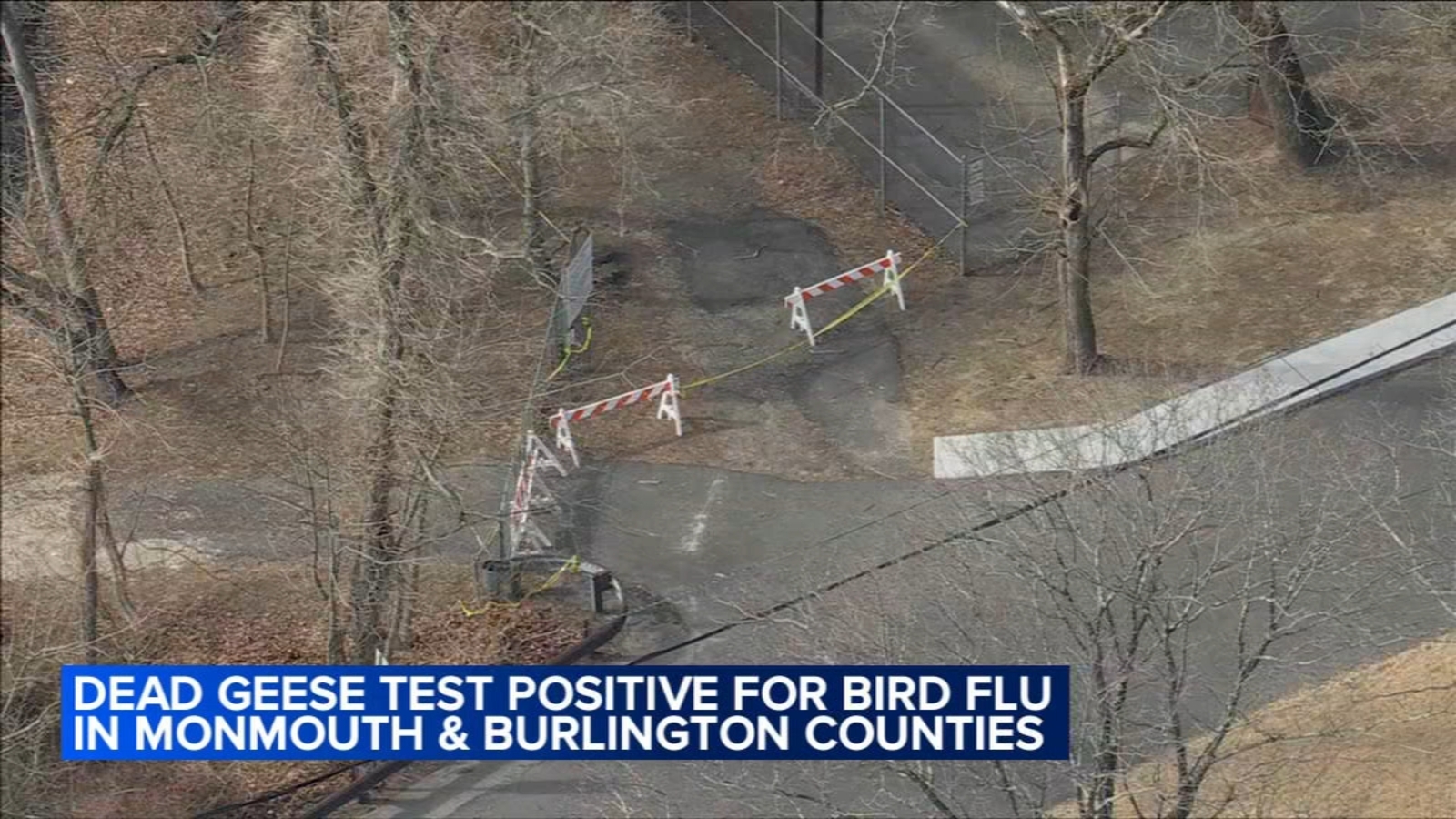
Health authorities have confirmed the presence of bird flu in wild bird populations across two New Jersey counties. In Monmouth County, dead geese found in Allentown Borough tested positive for the virus, prompting officials to cordon off portions of two local parks with yellow caution tape. A separate case was confirmed in Pemberton, located in Burlington County, where another goose also tested positive.
Local health departments acted swiftly once the test results were confirmed, restricting public access to areas where infected birds were found. The rapid response reflects growing concerns about the spread of avian influenza among wild bird populations throughout the eastern United States.
The Specific Locations of Concern
- Allentown Borough, Monmouth County: Two parks have been partially closed after dead geese tested positive for bird flu
- Pemberton, Burlington County: A goose tested positive in this area, triggering local surveillance efforts
Understanding the Current Avian Flu Outbreak
The strain currently circulating in wild birds and domestic poultry is commonly referred to as H5N1, a highly pathogenic avian influenza (HPAI) that has caused widespread outbreaks across North America since 2022. What makes this particular outbreak notable is its unprecedented scope, affecting not only poultry farms but also wild bird populations, marine mammals, and even dairy cattle in some regions.
Wild waterfowl , including geese, ducks, and swans , serve as natural reservoirs for avian influenza viruses. While many wild birds can carry the virus without showing severe symptoms, certain strains prove deadly to other bird species, particularly domestic poultry and some wild populations like the geese recently found in New Jersey.
Why Wild Geese Are Particularly Affected
Geese are highly social birds that congregate in large flocks, especially during migration periods and at popular parks and ponds. This behavior creates ideal conditions for virus transmission. When infected birds share water sources or come into close contact with healthy birds, the virus spreads rapidly through droppings, saliva, and respiratory secretions.
Unfortunately, this same flocking behavior brings wild geese into frequent contact with humans and domestic animals in suburban and urban environments, increasing the potential for cross-species transmission.
Is Bird Flu a Threat to Humans?
One of the most pressing questions on residents’ minds is whether bird flu poses a direct threat to human health. According to current health department statements, there has been no evidence of human-to-human transmission in the New Jersey cases, and no local human infections have been reported.
However, it’s important to understand the broader picture. Nationally, a small number of human cases have been documented, primarily among agricultural workers who had extensive, direct contact with infected poultry or dairy cattle. Most of these cases presented with mild symptoms, though the H5N1 strain remains concerning because of its historically high mortality rate in human cases reported in other countries.
Who Is at Highest Risk?
While the general public faces low risk, certain groups should exercise additional caution:
- Poultry farmers and workers: Those handling infected birds face the highest occupational exposure
- Dairy farm workers: Workers in contact with cattle in affected areas should follow strict biosecurity protocols
- Wildlife rehabilitators: Professionals handling sick or injured wild birds need proper protective equipment
- People with backyard flocks: Hobby farmers should monitor their birds closely and report any unusual deaths
Precautions Pet Owners Should Take
Health departments are specifically urging dog owners to avoid walking their pets in areas with large concentrations of geese. This recommendation has raised concerns among pet owners who regularly exercise their dogs at local parks and nature preserves.
Why Dogs Are a Concern
While dogs are not the primary concern in bird flu outbreaks, certain influenza strains can infect canines, particularly those that spend significant time outdoors in areas frequented by wild waterfowl. Dogs that come into contact with infected goose droppings or attempt to catch sick birds could theoretically be exposed to the virus.
To protect your pets, consider these precautions:
- Avoid walking dogs in parks where geese gather, especially in the affected counties
- Keep dogs on a leash to prevent them from approaching wild birds or carcasses
- Discourage pets from drinking from ponds, lakes, or puddles where waterfowl congregate
- Wash your dog’s paws after outdoor walks in areas with waterfowl populations
- Watch for symptoms such as lethargy, coughing, or loss of appetite, and contact your veterinarian if concerned
Recognizing Signs of Bird Flu in Wild Birds
Public awareness plays a crucial role in monitoring and containing avian flu outbreaks. Residents who frequent parks, nature preserves, or live near bodies of water should learn to recognize signs of infection in wild birds.
Common Symptoms in Infected Birds
- Sudden death without prior signs of illness (particularly in waterfowl)
- Lethargy, weakness, or inability to stand
- Neurological symptoms including tremors, head tilting, or circling
- Swelling around the eyes, head, or neck
- Discharge from the eyes, nose, or mouth
- Loss of coordination or difficulty flying
- Diarrhea or discolored droppings
What to Do If You Find a Dead or Sick Bird
If you encounter a dead or obviously sick bird, particularly a goose or other waterfowl, it’s essential to take appropriate precautions rather than attempting to handle the animal yourself.
Follow these important steps:
- Avoid direct contact: Do not touch, move, or attempt to rescue the bird with bare hands
- Keep pets away: Ensure dogs and other animals cannot access the carcass
- Report the sighting: Contact your local health department, animal control, or the New Jersey Department of Environmental Protection to report the location
- Note the location: Provide specific details about where you found the bird to assist surveillance efforts
- Practice good hygiene: If you accidentally come into contact with a potentially infected bird, wash your hands thoroughly with soap and water
The Economic Impact: Rising Egg Prices
The bird flu outbreak is having effects far beyond the immediate health concerns. Major restaurant chains like Denny’s and Waffle House have begun implementing temporary egg surcharges in response to skyrocketing egg prices, a trend directly linked to the loss of millions of egg-laying hens across the country to avian influenza.
Commercial poultry operations hit by bird flu are often forced to cull their entire flocks to prevent further spread, disrupting the egg supply chain and driving prices to record highs. This ripple effect demonstrates how animal disease outbreaks can quickly translate into economic consequences affecting every consumer.
Long-Term Outlook and Ongoing Surveillance
Public health agencies across New Jersey and the broader United States continue to monitor the situation closely. Wild bird surveillance programs track the movement of avian influenza through migratory populations, helping predict when and where new outbreaks may occur.
Researchers are particularly focused on whether the current H5N1 strain will mutate in ways that make human-to-human transmission more likely. While that hasn’t happened yet, health agencies maintain active preparedness plans should the situation change.
Vaccination Efforts
The U.S. Department of Agriculture has begun testing and stockpiling vaccines for poultry, and discussions about broader vaccination strategies for both animals and humans continue at federal and international levels. However, vaccination of commercial flocks remains controversial due to trade implications and the challenges of distinguishing vaccinated from infected birds.
Staying Informed and Prepared
As the bird flu situation evolves, staying informed through reliable sources is essential. Residents should:
- Monitor updates from the New Jersey Department of Health and local county health departments
- Follow CDC guidance on avian influenza for the latest safety recommendations
- Report any unusual bird deaths or sick wildlife to proper authorities
- Practice good hygiene when spending time outdoors in bird-populated areas
- Discuss any travel plans to areas heavily affected by avian flu with healthcare providers if you have specific concerns
Conclusion
The detection of bird flu in two New Jersey counties serves as an important reminder that avian influenza remains a persistent and evolving threat to both animal and public health. While the current risk to most residents remains low, taking common-sense precautions , keeping pets away from waterfowl gatherings, avoiding contact with sick or dead birds, and staying informed about local conditions , can help protect your family and community. As wild birds continue their seasonal migrations and the virus circulates widely in North America, ongoing vigilance, cooperation with health authorities, and adherence to public health guidance will be crucial in managing this ongoing outbreak effectively.