
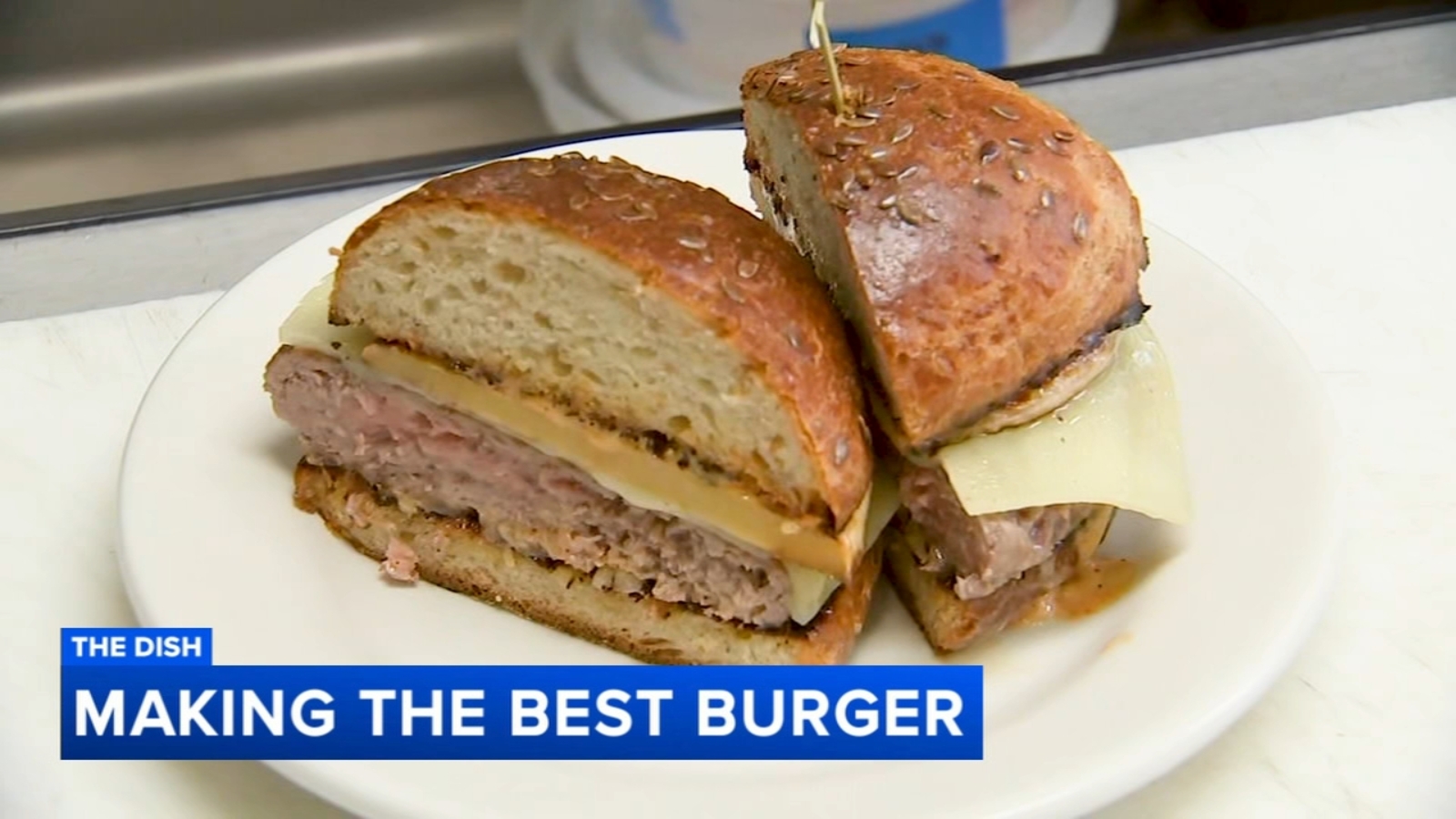
If you’ve been searching for the best burger recipe that delivers a juicy, restaurant-quality bite every single time, you’re in the right place. We recently spent time in the kitchen at Post Haste, a farm-forward restaurant and cocktail bar on Frankford Avenue in Philadelphia’s Kensington neighborhood, where Executive Chef Ari Miller shared exactly how he builds one of the city’s most craveable bar burgers. The good news? His approach is simple, approachable, and completely reproducible in your home kitchen.
“The best burger is simple, for sure,” Miller explains. “It’s medium rare and juicy.” That philosophy underpins everything that follows. Forget overcomplicated marinades, exotic spice rubs, or gimmicky techniques. The path to a perfect homemade burger is built on quality ingredients, proper seasoning, and mastering a few critical moments of heat and timing.
The Restaurant Behind the Recipe: Post Haste
Post Haste opened in 2023 and quickly became a neighborhood staple for anyone who appreciates thoughtful sourcing. Co-owner Fred Beebe describes the concept as a place to unwind after the rush of daily life , the name itself is a nod to “post-haste,” meaning after the haste of the day. The menu runs from shareable small plates to full entrées, with a standout bar burger that anchors the casual side of the offering.
The kitchen and bar both lean heavily into local sourcing. “We wanted to really highlight local sourcing, local farmers, local producers,” Beebe says, and that ethos carries through to the meat used in their burger patty. They also run a Pay What You Can Sunday program, a community-focused initiative designed to make a great meal accessible regardless of budget.
Start With the Right Meat Blend
Miller is unapologetic about his starting point: the beef itself. At Post Haste, the team uses a custom blend from Happy Valley Meats, formulated at a ratio of 70 percent lean beef to 30 percent fat. That fat ratio isn’t accidental , it’s the foundation of a juicy burger. Leaner blends tend to dry out on the heat, while a 20 to 30 percent fat content bastes the patty from within as it cooks.
His advice for home cooks is straightforward: visit a local butcher and have a conversation. “You also have the great advantage of knowing that the quality of the beef is good,” Miller notes. “Once the quality is good, you sort of don’t have to worry about the details too much.” A trusted neighborhood butcher can grind a custom ground beef blend tailored to your taste, or you can pick up a quality pre-ground chuck with the right fat percentage.
Why Fat Matters in a Juicy Burger
Fat equals flavor and moisture. When a patty hits a screaming-hot pan, the fat renders, creating that gorgeous caramelized crust while keeping the interior tender and juicy. If you’ve ever wondered why your burgers turn out dry or tough, the culprit is almost always a lean grind , or pressing the patty with a spatula, which squeezes out those precious juices.
Season Like You Mean It: Salt, and Only Salt
Miller’s seasoning philosophy is delightfully minimal. He seasons the formed patties liberally with kosher salt , and nothing else. “Because it’s good meat,” he explains, the natural beef flavor should carry the dish. Heavier spice blends can mask what makes a great cut special.
When salting, do it just before the patty hits the pan. Salting too early draws moisture to the surface, which can prevent proper browning. A generous, even coating right before cooking builds flavor without compromising the sear.
Mastering the Sear: Cast Iron Is King
If there’s one tool Miller swears by, it’s a well-seasoned cast iron skillet. “You can use any pan, but cast iron is king,” he says. Cast iron holds heat exceptionally well, which is essential for developing that deep, mahogany crust on your burger patty.
His pro tip for success: preheat the skillet in the oven before cooking, then transfer it to the stovetop. Once the burger hits the pan, slide the whole skillet back into the oven. “That contains the smoke,” Miller notes, while still delivering an even, high-heat cook. If you’re working entirely on the stovetop, simply crank the burner to high and let the pan preheat for several minutes.
How to Know When the Pan Is Ready
Want a foolproof test? Flick a few drops of water onto the hot surface. If they bead up and dance around the pan before evaporating, you’ve hit the right temperature. Add a thin layer of high-smoke-point oil (Miller uses canola), then carefully lay your patty in the pan.
Timing Is Everything
For a medium-rare finish, Miller sears each side for roughly 60 to 90 seconds. That’s it. Resist the urge to flip repeatedly or press down with a spatula , both actions push flavorful juices out of the meat and into the pan where they burn. One flip, a clean sear, and out.
Once your juicy burger is off the heat, set it on a rack or plate and let it rest. This step is non-negotiable. During cooking, the juices migrate toward the center of the patty. A few minutes of rest allows them to redistribute throughout the meat, so every bite is as moist as the last.
The Cheese: Structure Over Melt
Here’s where Miller’s approach diverges from typical burger dogma. He doesn’t want his cheese puddle-melted across the top. “I don’t want the cheese to be super melty,” he says. “I want the cheese to still have a little bit of its structure and have a little bit of its integrity. I want it to exert itself.”
While the patty rests, he places a slice of cheddar cheese on top and lets the residual heat soften it just enough. The result is a slice that drapes the burger while still holding its own character , a small but meaningful detail that elevates the entire bite.
A Seasonal Twist: Rutabaga Instead of Tomato
One of the most interesting elements of this best burger recipe is the use of rutabaga in place of tomato. It’s a seasonal swap Miller embraces during colder months when vine-ripened tomatoes aren’t at their peak. “The rutabaga has a little bit of bitterness to it,” he explains. “It’s in the turnip family, but it has an earthiness to it as well.”
Prepared properly, rutabaga becomes tender and slightly tangy , an unexpected but brilliant counterpoint to the rich beef and sharp cheese. To prepare it, peel and slice the rutabaga into rounds, then poach the slices in a pot with water, vinegar, and a heavy pinch of salt for about 15 minutes. Sear the slices in the same pan as the burger for added depth.
The Homemade Sauce That Ties It All Together
A great burger sauce can be the difference between a good burger and a memorable one. Miller’s version is built on a mayonnaise base with finely chopped onion, sweet relish, smoked paprika, garlic powder, and black pepper. Mixed together in a bowl, it delivers creamy richness, a touch of sweetness, and a gentle smoky warmth that complements the beef without overpowering it.
Toast your bun lightly before assembling. A toasted bun holds up better against juices and adds a subtle crunch that contrasts beautifully with the tender patty.
Full Recipe: Post Haste-Style Best Burger
Ingredients
- 1 lb ground beef (at least 20% fat)
- Kosher salt, to taste
- Cheddar cheese, sliced
- Your favorite burger bun, toasted
- 6 oz mayonnaise
- 1 oz onion, finely chopped
- 1 oz relish
- Pinch each of smoked paprika, garlic powder, and black pepper
- 1 rutabaga, peeled and sliced
- 8 oz water
- 1 oz vinegar
- Heavy pinch of salt (for the rutabaga)
Directions
Preparing the Rutabaga
- Combine water, vinegar, and a heavy pinch of salt in a pot and bring to a simmer.
- Add the sliced rutabaga and poach for 15 minutes, until tender.
- Remove from the liquid and pat dry.
Making the Sauce
- In a bowl, combine the mayonnaise, finely chopped onion, relish, smoked paprika, garlic powder, and black pepper.
- Stir until fully incorporated and set aside.
Cooking the Burger
- Form the ground beef into 5 oz patties and season liberally with kosher salt on both sides.
- Heat your cast iron skillet until a few drops of water bead and dance on the surface.
- Add a small amount of cooking oil, then carefully place the patty into the pan alongside the rutabaga slices.
- Sear each side for 60 to 90 seconds, flipping once.
- Transfer the patty to a plate or rack and immediately top with a slice of cheddar.
- Let the burger rest for 3 minutes.
Assembling the Burger
- Spread 1 tablespoon of sauce on the bottom bun.
- Place the rested patty on top, followed by the seared rutabaga slices.
- Add another tablespoon of sauce over the rutabaga.
- Crown with the top half of the toasted bun and serve immediately.
Final Tips for Restaurant-Quality Results at Home
- Don’t overwork the meat. Gently form patties just until they hold together. Compacting the beef makes for a tough texture.
- Make a small dimple in the center of each patty before cooking. This prevents the burger from puffing up into a dome shape.
- Resist the urge to press. Let the patty sit undisturbed so the crust can form and the juices stay locked in.
- Toast the bun. It adds texture and prevents sogginess from the sauce.
- Rest the burger. Those three minutes make a meaningful difference in juiciness.
Conclusion
A truly great burger doesn’t require a long list of ingredients or hours in the kitchen. As Chef Ari Miller at Post Haste proves, the best burger recipe is one that respects high-quality beef, treats salt as the only necessary seasoning, and relies on a screaming-hot cast iron skillet to deliver a perfect sear. Pair that with a slice of structured cheddar, a seasonal swap like rutabaga, and a punchy homemade sauce, and you’ve got a restaurant-quality burger you can build any night of the week. Fire up the skillet, season with confidence, and trust the process , your perfect homemade burger is only minutes away.