
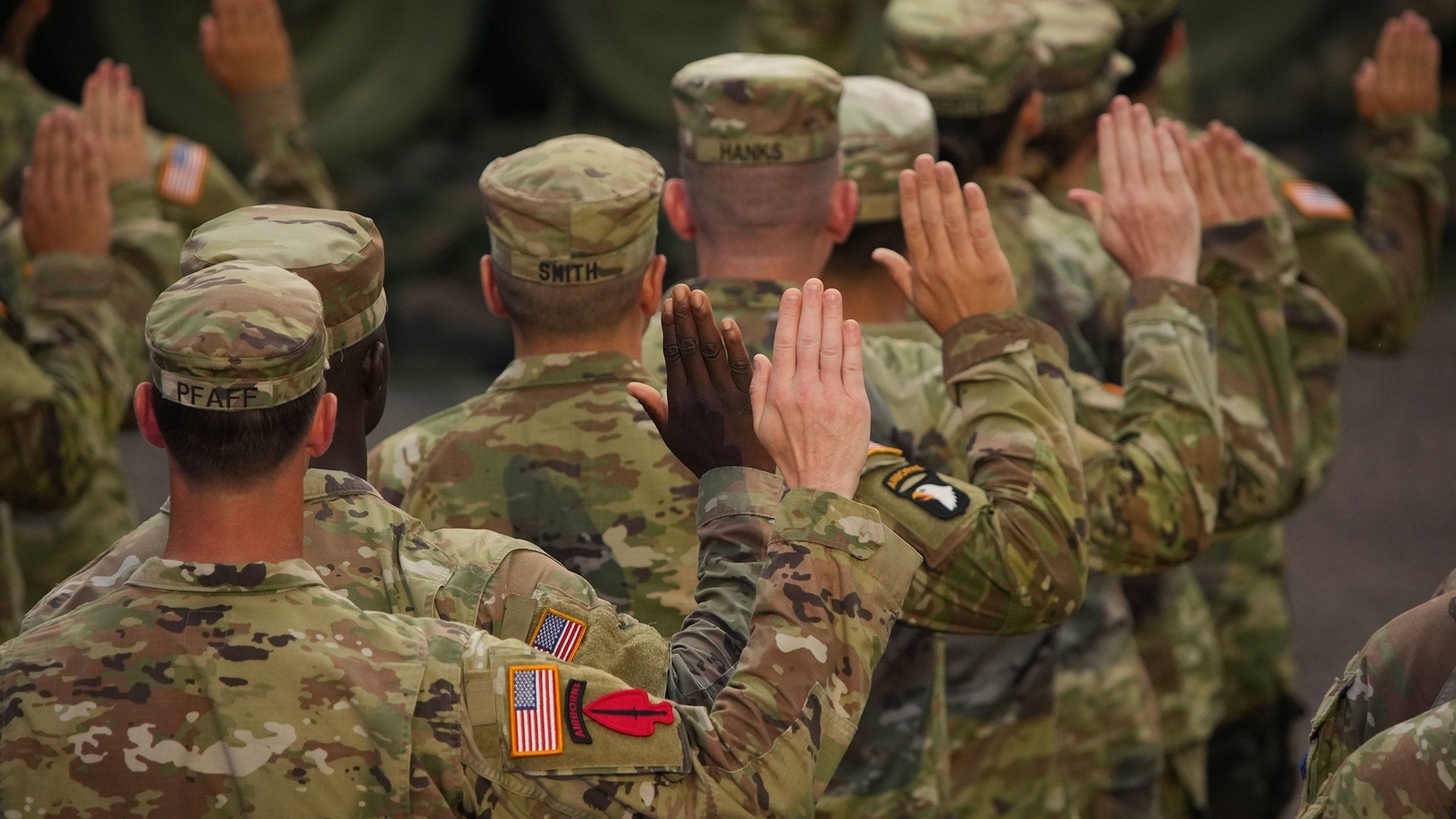
Starting in December, a significant shift in how the United States approaches military readiness takes effect: automatic military draft registration will be implemented nationwide. This change, embedded within the National Defense Authorization Act (NDAA) and signed into law by President Donald Trump late last year, represents the most substantial update to Selective Service procedures in decades. Young men across the country will find themselves enrolled in the system without taking any proactive steps, raising important questions about compliance, consequences, and what this means for the future of military conscription.
For decades, registering with the Selective Service System has been a requirement for male U.S. citizens and residents, but the process relied heavily on individual initiative. With automatic registration rolling out nationwide, the federal government aims to close coverage gaps, reduce administrative costs, and ensure that no eligible young man unknowingly faces penalties for failing to register.
How Does Automatic Military Draft Registration Work?
The new system eliminates the need for eligible men to seek out registration on their own. Instead, state and federal agencies will work together to identify and automatically register eligible individuals when they interact with government databases. This approach is already functioning in 46 states and territories, where automatic registration has been quietly catching eligible men through interactions with state motor vehicle departments and other agencies.
According to the Selective Service System’s 2023 report, over 60% of all registration records came from state motor vehicle departments. States like Arizona, Delaware, and Washington, D.C., automatically enroll eligible men when they apply for a driver’s license or state identification. New York takes a slightly different approach by including a registration section on its driver’s license applications.
The federal expansion builds on this proven model, creating a uniform nationwide process that streamlines selective service registration and brings the remaining states into alignment with current practices.
Who Will Be Automatically Registered?
The automatic military draft registration policy applies broadly to:
- Male U.S. citizens between the ages of 18 and 26
- “Every other male person” residing in the United States within that age range
- Green-card holders
- Refugees and asylum seekers
- Undocumented men living in the country
One notable exception applies to men holding nonimmigrant visas, who remain exempt from registration requirements. This inclusive approach reflects the law’s intent to capture all eligible individuals regardless of immigration status.
Currently, men who live in states without automatic registration must sign up “within 30 days of (their) 18th birthday,” according to the Selective Service System website. The agency continues to accept late registrations until a man turns 26, but this grace period will become less critical as automatic systems take over.
What Are the Penalties for Not Registering?
Failing to register with the Selective Service System carries serious consequences that extend well beyond military service:
- It is a felony under the Military Selective Service Act
- Offenders may face imprisonment for up to five years
- Fines can reach $250,000
- Eligibility for federal student loans may be revoked
- Access to certain federal jobs and benefits can be denied
With automatic registration, the risk of unknowingly violating these rules decreases significantly. As Democratic Rep. Chrissy Houlahan noted in a statement to CNN, making registration automatic “saves taxpayer dollars by eliminating the need to advertise but finally ensures that young men are not unknowingly penalized.” Houlahan sponsored the language that brought automatic registration into the NDAA and emphasized its bipartisan support.
The NDAA and Bipartisan Support
The automatic registration provision was tucked into the broader National Defense Authorization Act, which passed both chambers of Congress with bipartisan votes before landing on the President’s desk. This legislative vehicle is notable because defense policy bills tend to attract support from both parties, making it an effective pathway for procedural reforms that might otherwise stall.
Late last month, the Selective Service System submitted a proposed rule to the Office of Information and Regulatory Affairs to formally implement the nationwide practice. This regulatory step is necessary to translate congressional intent into operational reality, establishing the specific mechanisms through which federal agencies will share data and identify eligible registrants.
What Would Happen If a Draft Were Called?
It’s important to clarify what automatic registration does and does not mean. Automatic registration does not mean automatic enlistment. The United States has not conducted a military draft since February 1973, when the final conscripts were called up during the Vietnam War. Since then, the all-volunteer force has met the military’s manpower needs.
If Congress were to authorize a draft in the future, the process would unfold in stages:
The Lottery System
Not all registered men would be called to serve. Instead, the Selective Service System would conduct a lottery, randomly selecting birthdays and assigning them sequence numbers. This system is designed to create a fair and unpredictable method for determining who might be called.
Order of Induction
Men whose 20th birthdays fall in the year of the draft would be the first group to receive induction orders. Following them, in order, would be those aged 21, 22, 23, 24, 25, 19, and finally men who are more than six months past their 18th birthday.
Exemptions and Deferments
Selected individuals would have the opportunity to request exemptions or deferments. After reviewing these requests, remaining candidates would undergo physical, mental, and moral evaluation. Only those deemed fit for service would ultimately be selected.
Before any of this could happen, however, Congress would need to pass legislation authorizing a draft. The executive branch alone cannot reinstate conscription.
Why This Change Matters Now
Although the nationwide military draft registration measure passed months before recent geopolitical tensions, ongoing conflicts have brought renewed public attention to draft policy. The Trump administration has not ruled out deploying U.S. troops on the ground in certain conflict zones, and this uncertainty has sparked conversations about military preparedness among citizens who may never have considered the draft a realistic possibility.
For most young men, however, the practical impact of this change will be minimal. They will simply be registered without having to take action, ensuring compliance with federal law and protecting their access to future benefits. The change represents a modernization of bureaucratic processes rather than an indication that a draft is imminent.
Frequently Asked Questions
Do women need to register?
Under current law, automatic military draft registration applies only to men ages 18 to 26. Women are not required to register with the Selective Service System, and proposals to expand registration to women have not been enacted.
Can I check if I’m already registered?
Yes. The Selective Service System website allows individuals to verify their registration status by entering their Social Security number and other identifying information. This is particularly important for men who may have been registered automatically through a state motor vehicle department without realizing it.
What if I’m in the country on a student visa?
Men holding nonimmigrant visas are exempt from registration requirements. This includes students, tourists, and certain temporary workers. However, men with green cards, asylum status, or refugee status must register.
Conclusion
The rollout of automatic military draft registration in December marks a significant evolution in how the United States maintains its Selective Service infrastructure. By leveraging existing state and federal data systems, the policy ensures broader compliance, reduces administrative costs, and protects young men from the unintended consequences of missed registration. While the measure has no immediate connection to current military operations and does not signal any plan to reinstate the draft, it strengthens the nation’s ability to mobilize if circumstances ever demand it.
For eligible young men, the most important takeaway is simple: automatic registration means one less thing to worry about, but registration compliance remains a legal obligation with real consequences. Understanding how the system works and what it does, and does not, require is the best way to stay informed and prepared as this historic change takes effect.