
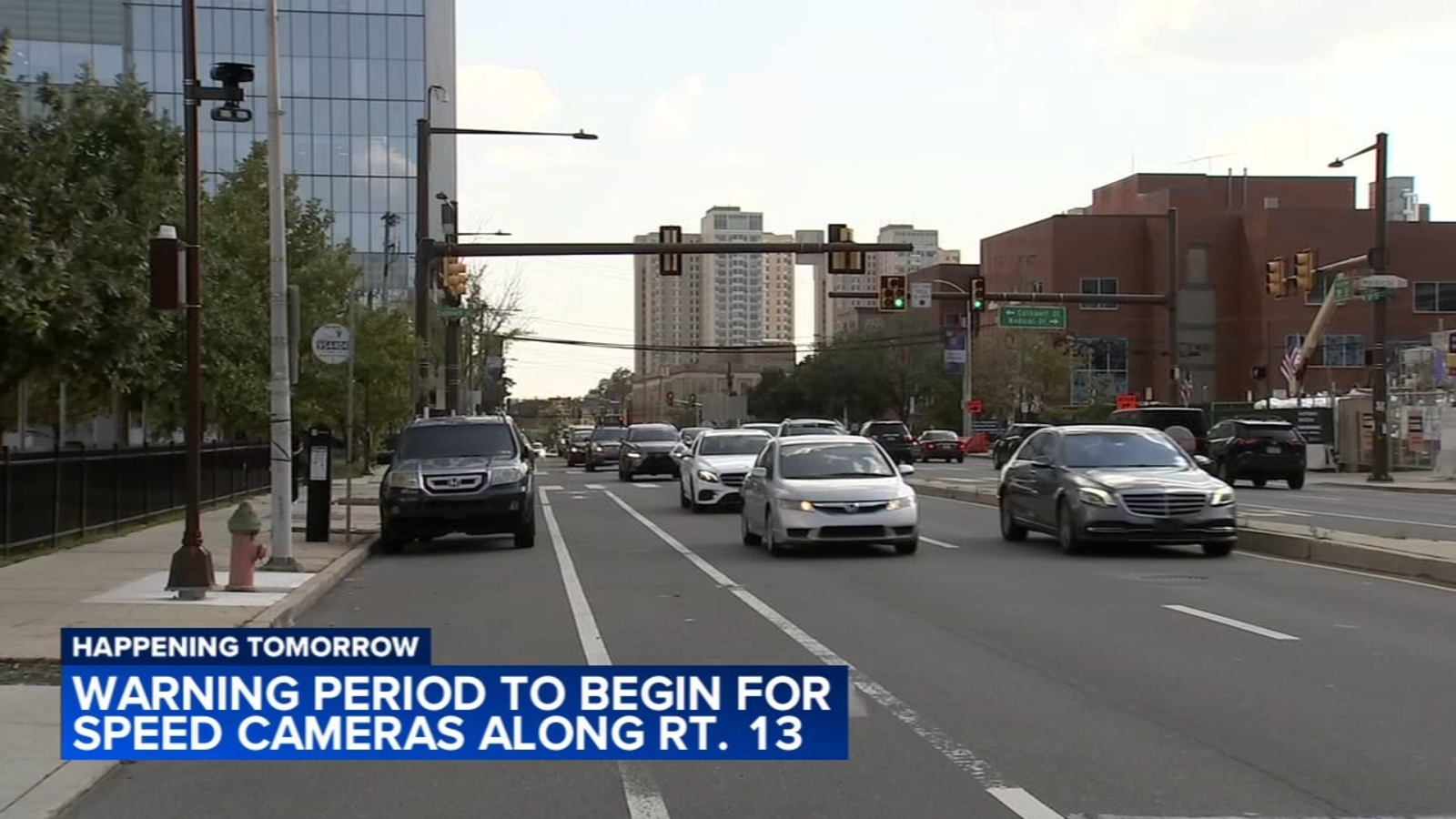
If you’re a regular commuter through Philadelphia, there’s a significant change hitting the streets this week that you’ll want to know about. Starting Monday, a brand-new fleet of automated speed cameras on Route 13 enters a warning period, marking the beginning of a major enforcement effort aimed at reducing speeding and improving roadway safety across several key Philadelphia neighborhoods. This stretch includes areas from Strawberry Mansion through Brewerytown, West Philadelphia, and University City , corridors that see heavy daily traffic from residents, students, and commuters alike.
For the next 60 days, drivers who exceed the posted speed limits along this route will receive warnings rather than tickets. But make no mistake , once that grace period ends, the consequences become very real. On October 30, official ticketing begins, and fines can climb as high as $150 per violation. Here’s everything you need to know to stay informed and prepared.
What’s Happening With Speed Enforcement on Route 13?
The City of Philadelphia is rolling out an expanded automated speed camera system specifically along Route 13, a corridor that connects multiple busy neighborhoods. The new cameras are designed to detect vehicles traveling above the posted speed limit and capture photographic evidence of the violation, including the vehicle’s license plate.
This isn’t Philadelphia’s first foray into automated traffic enforcement. The city has operated speed cameras near schools for several years, and this expansion represents a broader push to address reckless driving in areas with high pedestrian activity, significant crash histories, or documented speeding problems.
The decision to install these devices along Route 13 was not made lightly. City officials have pointed to data showing that excessive speed is one of the most consistent factors in serious and fatal traffic crashes. By deploying automated enforcement technology, the city hopes to create a meaningful deterrent that changes driver behavior and saves lives.
Neighborhoods Covered by the New Cameras
The automated speed cameras on Route 13 span an impressive geographic range, covering some of Philadelphia’s most densely traveled areas:
- Strawberry Mansion , A North Philadelphia neighborhood that has long dealt with dangerous speeding along its main thoroughfares.
- Brewerytown , Located just north of Center City, this rapidly developing area sees a mix of residential and commercial traffic.
- West Philadelphia , A large and diverse area with busy commercial corridors and heavy pedestrian presence.
- University City , Home to the University of Pennsylvania and Drexel University, this area is packed with students, faculty, hospital staff, and visitors , many of whom travel on foot or by bicycle.
These neighborhoods collectively represent tens of thousands of daily road users, and the camera placement reflects a targeted approach to the areas most in need of traffic calming measures.
The Warning Period: What Drivers Need to Know
Beginning Monday, a 60-day warning period goes into effect. During this time, any vehicle caught speeding by the automated cameras along Route 13 will trigger a warning notice rather than a financial penalty. Think of it as a courtesy period , a final opportunity to adjust your driving habits before the city starts issuing actual tickets.
The warning notices will likely be mailed to the registered owner of the vehicle based on the license plate captured by the camera. While the exact format and delivery method may vary, the important takeaway is that a warning during this period will not result in any fine, points on your driving record, or insurance implications.
Why a Warning Period Matters
The grace period serves several important purposes:
- Public Awareness , It gives drivers time to learn about the new cameras through news coverage, word of mouth, and social media sharing. Many motorists may not realize speed cameras have been installed until they receive their first notice.
- Behavioral Adjustment , Drivers who regularly use Route 13 can consciously monitor their speed over a two-month span, allowing them to build new, safer habits before penalties kick in.
- System Calibration , From a technical standpoint, the warning period allows the city to verify that the cameras are functioning correctly, capturing accurate readings, and processing violations properly before revenue-generating ticketing begins.
This measured rollout is fairly common when municipalities introduce automated enforcement. It demonstrates good faith on the part of the city while still firmly establishing that the cameras are active and watching.
What Happens After October 30?
Once the warning period concludes on October 30, the rules shift significantly. Drivers caught speeding by the automated cameras along Route 13 will begin receiving actual citations in the mail, with fines of up to $150 per violation. That’s a substantial financial hit, especially for drivers who might receive multiple citations over time.
It’s worth noting that in Pennsylvania, automated speed camera violations are typically treated as civil penalties rather than traditional moving violations. This generally means they won’t result in points on your driver’s license, but they can still have consequences such as:
- Accumulated unpaid fines that can lead to additional collection actions
- Potential impacts on vehicle registration renewal
- Insurance-related complications depending on your provider’s policies
How the Automated Cameras Actually Work
Understanding the technology behind these enforcement tools can help drivers appreciate just how seriously they’re being deployed. Automated speed cameras use a combination of sensors and high-resolution cameras to:
- Detect a vehicle’s speed using radar, lidar, or road-mounted sensors.
- Photograph the vehicle, capturing the license plate clearly.
- Record the date, time, location, and measured speed of the violation.
- Generate a citation that is mailed to the registered owner of the vehicle.
The entire process happens in a matter of seconds, and the cameras operate around the clock , meaning speeding at 3 a.m. carries the same risk as speeding during rush hour.
The Bigger Debate: Do Speed Cameras Improve Safety?
The introduction of automated speed cameras on Route 13 is sure to reignite an ongoing debate among Philadelphia residents. Supporters argue that these systems are a proven tool for reducing traffic fatalities, especially in vulnerable areas where pedestrians and cyclists share space with motor vehicles. Studies from cities around the world have generally shown that automated speed enforcement leads to measurable reductions in speeding and crashes.
Critics, on the other hand, raise concerns about privacy, the potential for revenue generation to become the true motivation behind camera placement, and questions about the fairness of penalizing registered vehicle owners rather than the actual drivers. Some also worry that cameras , unlike marked patrol cars , create an atmosphere of surveillance that can erode public trust.
Regardless of where one stands in this debate, the practical reality is that the cameras are now active, and compliance is the smartest path forward for anyone driving through the affected areas.
Tips for Driving Safely Through Route 13 Camera Zones
If you regularly travel through Strawberry Mansion, Brewerytown, West Philadelphia, or University City, here are some practical steps you can take to avoid an expensive ticket:
- Know the posted speed limits. Route 13 passes through areas with varying limits. Stay alert to signage as you move from one segment to the next.
- Use cruise control. Especially on longer stretches, cruise control helps maintain a steady, legal speed without constant pedal adjustment.
- Avoid distracted driving. Paying full attention to the road makes it easier to spot speed limit changes and react to traffic flow.
- Allow extra travel time. Speeding is rarely worth the few minutes saved, especially with $150 fines now in play.
- Watch for camera locations. While the city may or may not post prominent signage, many drivers will quickly identify and report camera positions online, especially on community forums and navigation apps.
Looking Ahead: What This Means for Philadelphia Drivers
The launch of automated speed cameras on Route 13 signals what could be a larger shift in how Philadelphia approaches traffic safety enforcement. As cities nationwide struggle with rising pedestrian fatalities and dangerous driving that emerged during and after the pandemic, automated enforcement has become an increasingly popular policy tool. Philadelphia’s expansion into major arterial roads like Route 13 suggests that more corridors could see similar treatments in the coming years.
For drivers, the message is clear: the era of relying on the absence of a police officer to speed freely is rapidly ending. Whether you view these cameras as a vital safety measure or an unwelcome intrusion, the smartest move is simple , slow down, obey posted limits, and avoid the financial sting of a citation.
Final Thoughts
The rollout of automated speed cameras on Route 13 is one of the most significant traffic enforcement developments Philadelphia has seen in recent memory. With a 60-day warning period giving drivers a chance to adapt before fines of up to $150 take effect on October 30, there’s a real opportunity to change habits without immediate financial consequences. The neighborhoods along this corridor , from Strawberry Mansion to University City , are vibrant, heavily populated areas where safer streets can genuinely save lives. Whether you’re a daily commuter, an occasional traveler through West Philadelphia, or a student navigating University City’s busy intersections, staying aware of these new enforcement zones is essential. Take advantage of this warning period, adjust your speed, and help make Philadelphia’s roads safer for everyone.