
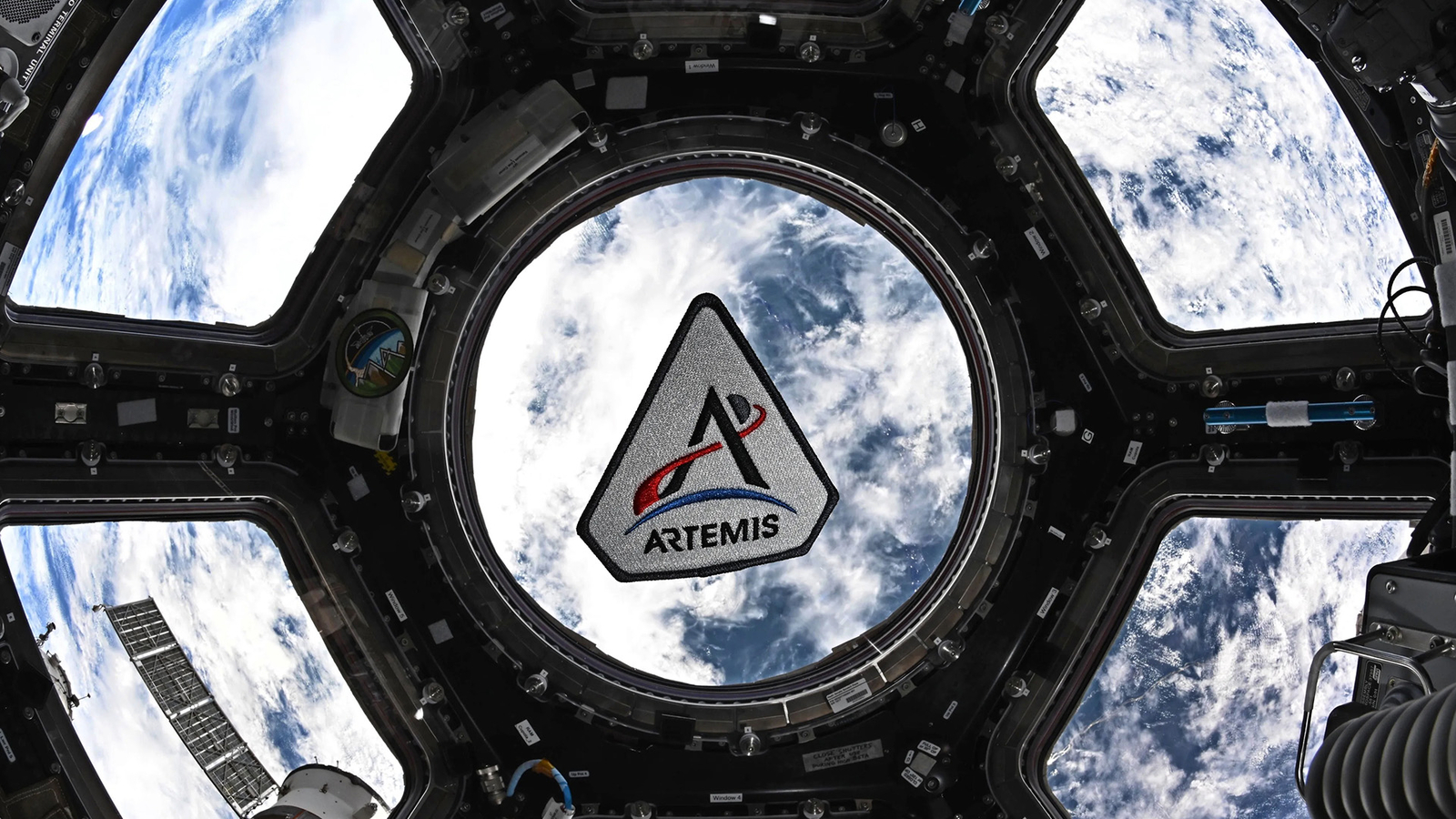
When NASA’s Artemis II crew thundered into orbit on a historic mission to loop around the moon, the excitement was electric. But within hours of reaching space, the celebration took an unexpected turn when the Artemis II toilet malfunctioned, leaving four astronauts to improvise their bathroom routine high above Earth. Fortunately, quick thinking from astronaut Christina Koch and round-the-clock support from Mission Control in Houston brought the lunar loo back online , providing immense relief to the crew and to engineers scrambling to understand what went wrong.
A Stunning Launch Marred by an Orbital Plumbing Problem
The Artemis II mission launched flawlessly from Kennedy Space Center, sending commander Reid Wiseman, pilot Victor Glover, mission specialist Christina Koch, and Canadian astronaut Jeremy Hansen on humanity’s first crewed journey beyond low-Earth orbit since the final Apollo flight more than half a century ago. Within minutes of reaching orbit on Wednesday evening, the four spacefarers settled into their Orion capsule for the multi-day voyage. Almost immediately, however, the Artemis II toilet stopped cooperating.
For a crew embarking on a journey that will carry them around the moon and back, a functioning bathroom is not a luxury , it is essential. Koch and her crewmates resorted to a backup bag-and-funnel system designed for emergencies, an unglamorous workaround that became the talk of Mission Control overnight.
Koch to the Rescue
Fortunately, the crew had a former Antarctic researcher among them. Christina Koch, who spent a full year stationed at the South Pole before joining NASA, brought her well-honed troubleshooting instincts to bear. Working with detailed instructions relayed from the ground, Koch coaxed the stubborn commode back into operation through a series of what officials described as “plumbing tricks.”
By Thursday, the relief was palpable. The toilet worked, the crew could relax, and the mission remained on track.
Preparing for the Trip Around the Moon
With the bathroom crisis resolved, the crew turned their attention to the main event: a translunar injection , the engine firing that would slingshot Orion out of Earth orbit and send it on a looping path around the moon. Mission managers gave the go-ahead late Thursday afternoon, prompting an enthusiastic response from Canadian astronaut Jeremy Hansen.
“We love those words, and we’re loving the view,” Hansen radioed back to Earth.
A Wake-Up Call with a Beat
To set the tone for the critical engine burn, Mission Control treated the crew to a curated playlist. The wake-up music began with John Legend’s “Green Light” featuring André 3000, a song whose title seemed tailor-made for the day’s milestone. The track segued into the recorded roar of the crew’s launch countdown and a medley of well-wishes from NASA teams scattered across the country.
“We are ready to go, and that was awesome,” pilot Victor Glover reported from orbit.
Earthly Views from Tens of Thousands of Miles
While waiting for the go-ahead, the astronauts took in some of the most spectacular views of Earth imaginable. From their perch tens of thousands of miles above the planet, they could see entire continental coastlines traced against deep blue oceans. Koch, drawing on her polar experience, marveled at being able to spot the South Pole , what she called “her old stomping ground.”
“It is just absolutely phenomenal,” Koch told Mission Control.
Why a Working Toilet Matters in Space
The brief toilet outage put a spotlight on something most people take for granted: the engineering behind waste management in microgravity. The Artemis II toilet is located in the floor of the Orion capsule, shielded by a door and a privacy curtain. It is a compact, modernized version of the universal waste management system that first flew to the International Space Station in 2020.
How the Universal Waste Management System Works
Unlike toilets on Earth, the Orion commode uses airflow and suction rather than water and gravity to move waste through the system. This design has been refined over decades to accommodate the realities of weightless environments and is also built to better serve female astronauts , a feature that reflects NASA’s evolving crew demographics.
The ISS version of the system barely saw use before being retired, but engineers adapted and upgraded the technology specifically for deep-space missions like Artemis II.
A Harsh Cabin Reminder
Toilet troubles were not the only comfort challenge the crew faced. Earlier in the mission, cabin temperatures dipped to around 65 degrees Fahrenheit (18 degrees Celsius), forcing the astronauts to dig into their personal luggage for warm layers. Mission Control adjusted the environmental controls, and conditions improved as the mission progressed.
Lessons from the Apollo Era
To put the current plumbing predicament in perspective, it helps to remember how astronauts handled these challenges in earlier eras. NASA’s Apollo capsules were simply too small to accommodate a dedicated bathroom. The all-male Apollo crews, including the surviving six, relied on collection bags throughout their lunar journeys. Those bags, often called Apollo bags, were repurposed decades later as emergency backups during the space shuttle program whenever the shuttle’s toilet malfunctioned.
As several Apollo veterans have noted over the years, any toilet , even one that requires a quick repair , is better than none.
What’s Next for the Artemis Program
The Artemis II mission is scheduled to conclude with a Pacific Ocean splashdown on April 10. While the crew will not land on the moon, their lunar fly-around represents a critical stepping stone for NASA’s broader ambitions. The agency is counting on this test flight to validate Orion’s systems, including its life-support equipment, before committing to a crewed lunar landing currently targeted for 2028.
That future landing will send two astronauts to the lunar surface, picking up a thread that was dropped after Apollo 17 in 1972. To get there, however, engineers will need to refine the Artemis II toilet and similar hardware to ensure reliability on longer missions.
Designing for Deep Space
Future Artemis missions will push beyond Orion’s relatively short flight profile, meaning waste management systems must operate flawlessly for weeks rather than days. Lessons learned from this current mission , including the cause of the recent malfunction , will inform upgrades to the commode and other onboard systems.
A Mission of Many Firsts
Beyond the plumbing drama, Artemis II is already making history. The mission marks the first time a Canadian has traveled beyond low-Earth orbit, with Jeremy Hansen representing the Canadian Space Agency alongside his NASA crewmates. Glover, a veteran pilot, became part of the first crew in more than five decades to travel toward the moon. Koch, meanwhile, continues to extend her legacy as one of NASA’s most experienced astronauts.
The mission’s success so far has energized the entire space community, even as engineers work behind the scenes to ensure every system , from propulsion to plumbing , operates as designed.
Conclusion
The brief scare with the Artemis II toilet served as a humbling reminder that even the most sophisticated technology can fail in space, and that solving problems quickly is part of the job. Thanks to Christina Koch’s resourcefulness and Mission Control’s patient guidance, the lunar loo is back online, and the crew is pressing ahead toward their historic fly-around of the moon. As they hurtle through the cosmos, their journey underscores both the marvels and the mundane realities of human spaceflight , and the importance of getting the little things right on the way to giant leaps.