
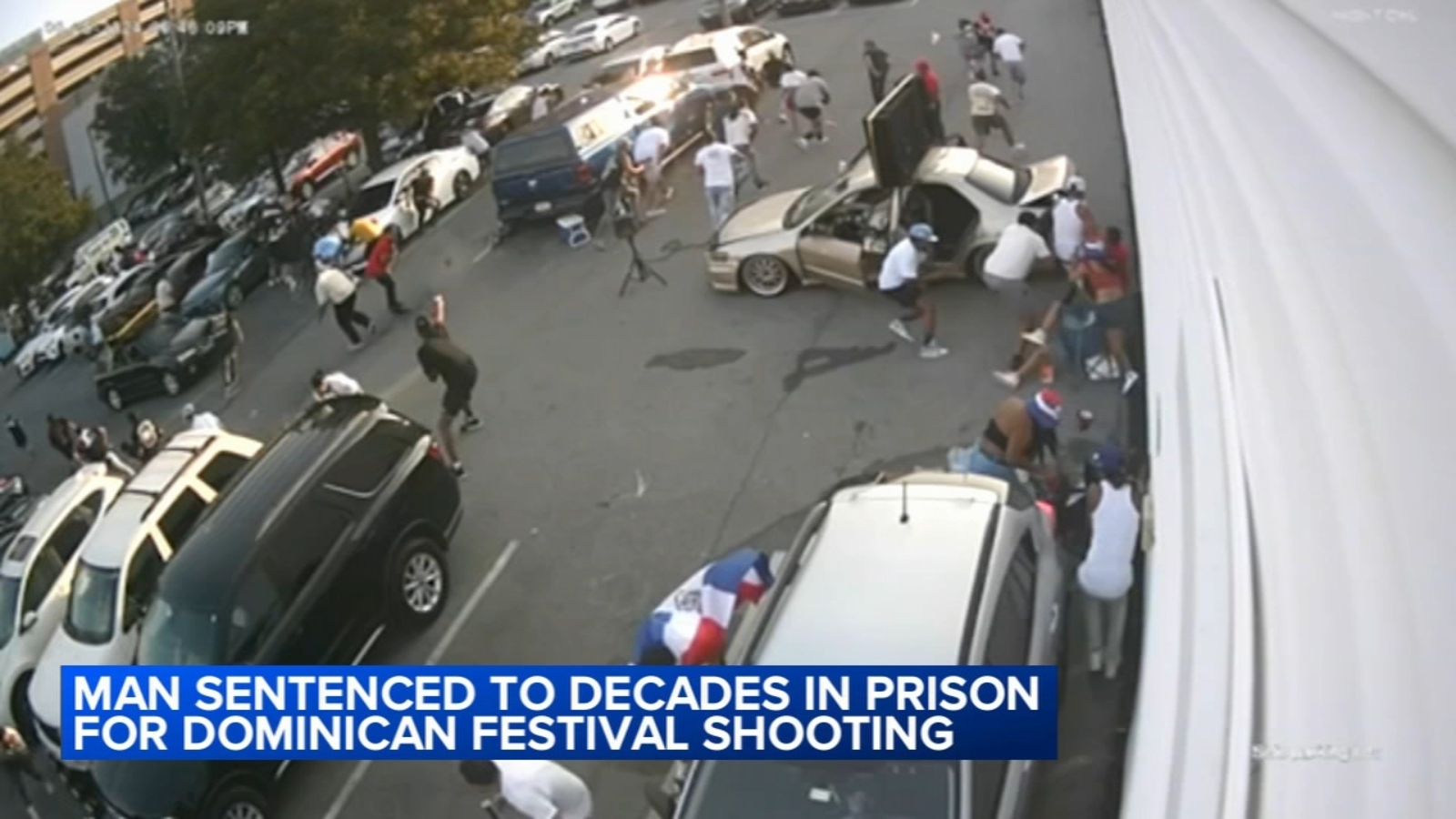
The Allentown mass shooting near a Dominican cultural festival has reached its sobering conclusion in a Pennsylvania courtroom. Yunior Peralta-Quintana, a 23-year-old Allentown resident, received a sentence of 40 to 80 years in state prison for his role in a violent gun battle that left six people injured and shook a community gathered to celebrate. The sentencing, handed down on Thursday, closes a painful chapter for residents of the Lehigh Valley city while raising broader questions about gun violence at public celebrations.
Background of the Allentown Mass Shooting
On August 25, 2024, what should have been a day of music, food, and cultural pride turned into a scene of chaos on the 100 block of North 7th Street in Allentown. The annual Dominican Festival had drawn families and community members to the area, but the celebration was shattered when gunfire erupted in the streets. Investigators later determined that Peralta-Quintana and a second suspect, Miguel Angel Ovalles Ubri, engaged in an extended exchange of gunfire with each other.
By the time police officers arrived on the scene, the two men were still actively shooting at one another. The confrontation injured six people, sending shockwaves through a community that had gathered for an event meant to honor heritage and unity. Two officers discharged their firearms during the chaotic encounter, though fortunately none of the injured victims were struck by police gunfire, and no officers sustained injuries.
Community Impact
The incident left a lasting mark on Allentown’s tight-knit neighborhoods. For many residents, the Dominican Festival represents one of the most anticipated cultural gatherings of the year , a time when families come together to celebrate their roots. The violence that unfolded on that August afternoon disrupted not only the festival itself but also the sense of safety that residents expect in their own communities.
Legal Proceedings and Conviction
Following the Allentown mass shooting, prosecutors pursued a comprehensive case against Peralta-Quintana. In January, after a thorough trial, he was convicted on multiple serious charges, including:
- Attempted murder
- Three counts of aggravated assault
- Recklessly endangering another person
- Additional offenses related to the firearm exchange
The verdict reflected the gravity of the defendant’s actions and the danger he posed to innocent bystanders who had nothing to do with the dispute that triggered the violence. Court proceedings painted a picture of reckless disregard for human life, as bullets flew in a densely populated area during a public event.
The Significance of the Sentence
The 40 to 80-year prison sentence represents one of the more substantial penalties handed down for a mass shooting incident in the Lehigh Valley in recent memory. Under Pennsylvania’s sentencing guidelines, the range gives the state Parole Board discretion in determining exactly when , or if , Peralta-Quintana will be released. Given his age at the time of the crime, the minimum portion of the sentence alone ensures he will spend decades behind bars.
Legal experts have noted that sentences of this length serve multiple purposes: they hold offenders accountable, provide a measure of justice for victims, and send a clear message that gun violence at public gatherings will not be tolerated. For the survivors of the Allentown mass shooting, the sentencing offers a formal acknowledgment of the harm they suffered, even as they continue to grapple with physical and emotional recovery.
Second Suspect and Ongoing Investigations
Miguel Angel Ovalles Ubri, identified as the second participant in the gun battle, faces his own legal challenges. Authorities announced a second arrest connected to the Dominican Festival shooting in Allentown, indicating that the investigation extended beyond just the immediate trigger-pullers. The collaborative effort between Allentown police, prosecutors, and other law enforcement agencies demonstrates a commitment to ensuring that all parties responsible for the violence face consequences.
Police Response Under Scrutiny
The involvement of two police officers who fired their weapons during the incident inevitably raised questions about use-of-force protocols. However, authorities confirmed that no civilians were struck by police gunfire, and an internal review found that the officers’ actions were consistent with responding to an active, ongoing gun battle in a crowded public space. The absence of any injuries to law enforcement personnel was a relief for the department, though the broader incident underscored the unpredictable dangers officers face when responding to spontaneous acts of violence.
Gun Violence and Public Safety in Allentown
The Allentown mass shooting is not an isolated incident. Like many mid-sized American cities, Allentown has grappled with rising concerns about gun violence, particularly in areas where large gatherings take place. Community leaders have repeatedly called for stronger intervention strategies, including improved youth outreach programs, conflict resolution resources, and stricter enforcement of existing firearms laws.
City officials and advocacy groups have used the high-profile nature of this case , a mass shooting at a beloved cultural event , to push for additional resources and policy changes. The hope is that by addressing root causes such as gang involvement, illegal firearms access, and unresolved interpersonal disputes, future tragedies can be prevented.
The Role of Cultural Events in Community Safety
Festivals like the Dominican Festival in Allentown play a vital role in strengthening cultural identity, fostering community bonds, and supporting local economies. When violence erupts at such events, it undermines these essential functions and can leave lasting psychological scars on attendees. Survivors of the August 2024 shooting have spoken about the difficulty of returning to normal life, with some avoiding large gatherings altogether.
Event organizers and city planners now face the challenge of balancing celebration with security. Enhanced security measures, including visible law enforcement presence, metal detectors, and controlled entry points, have become increasingly common at large public events across the country. While these measures cannot eliminate all risk, they represent a proactive approach to protecting community spaces.
Voices from the Community
In the aftermath of the Allentown mass shooting, community leaders, faith organizations, and residents have come together to support the victims and their families. Vigils, fundraisers, and healing circles have provided spaces for collective mourning and resilience. The Dominican Festival organizers, in particular, have worked to ensure that future celebrations honor both the joy of cultural expression and the memory of those affected by the violence.
Advocacy Moving Forward
Several advocacy efforts have gained momentum in the wake of the sentencing. Local organizations are pushing for:
- Expanded mental health services for residents affected by community violence
- Youth intervention programs designed to steer at-risk individuals away from criminal activity
- Stricter penalties for illegal firearm possession and use
- Improved coordination between law enforcement and community organizations
These initiatives reflect a growing recognition that public safety requires more than law enforcement alone , it demands investment in the social fabric that holds communities together.
Conclusion
The sentencing of Yunior Peralta-Quintana to 40 to 80 years in state prison marks a significant milestone in the aftermath of the Allentown mass shooting near the Dominican Festival. While no courtroom outcome can undo the trauma experienced by the six injured victims and their families, the lengthy sentence affirms that such violence carries severe consequences. As Allentown continues to heal and reflect, the community stands at a crossroads , one that demands sustained commitment to public safety, cultural celebration, and the dismantling of the conditions that allow gun violence to flourish. The legacy of this tragedy must be a renewed determination to protect the spaces where communities gather, celebrate, and thrive.