
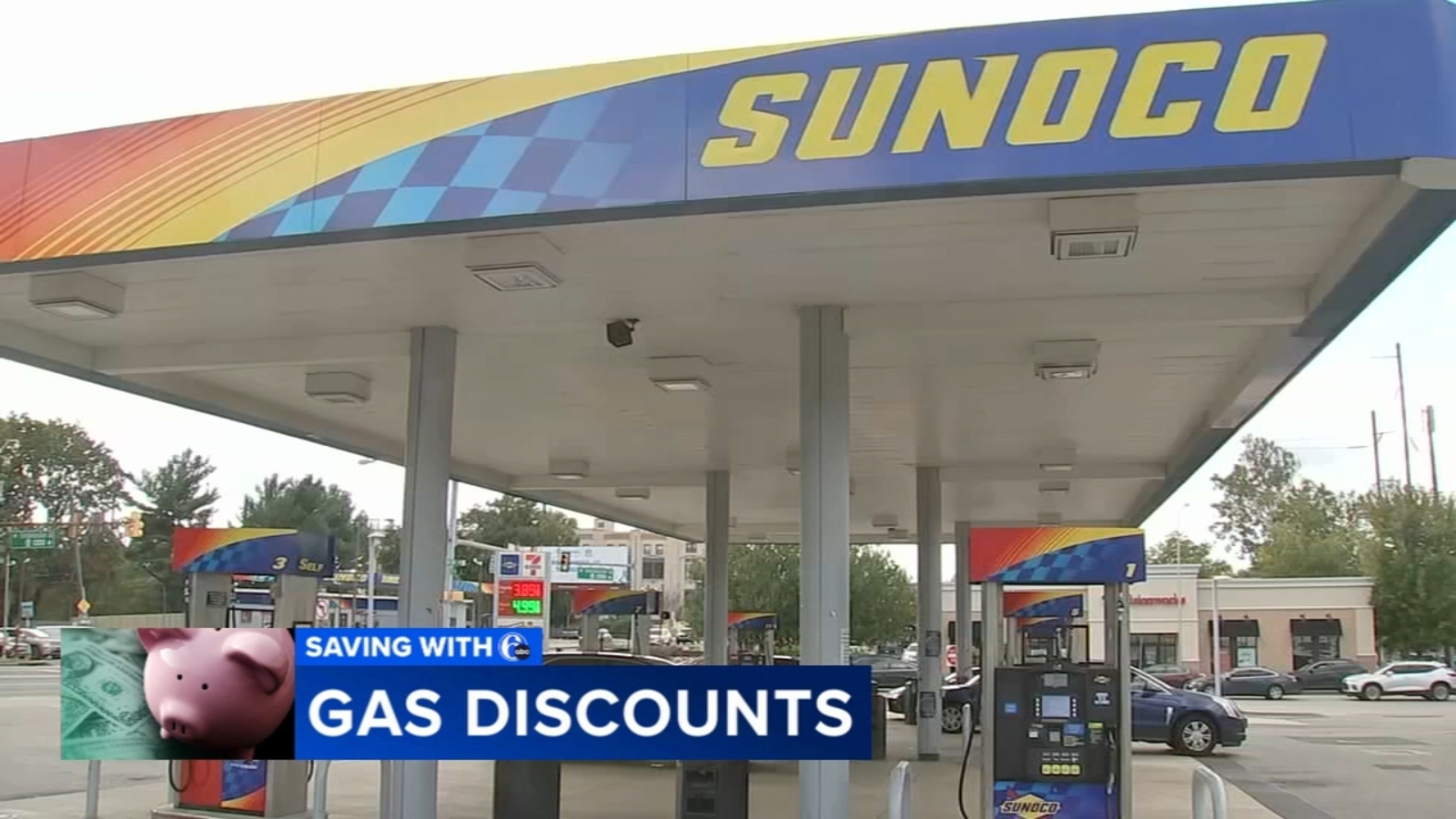
As summer travel season approaches, drivers across the country are bracing for another round of painful pump prices. With the national average for regular gasoline climbing to $4.53 per gallon and analysts warning of further increases heading into Memorial Day and early June, finding smart ways of saving money on gas has never been more important. Whether you’re planning a cross-country road trip or just commuting to work, small changes in your driving habits and refueling strategy can add up to significant savings over time.
Fuel experts and consumer analysts have shared practical, proven strategies that can help you keep more money in your wallet this summer. Below are seven smart approaches to reducing your fuel costs without sacrificing convenience or performance.
1. Skip Premium Gasoline Unless Your Car Requires It
One of the simplest ways to start saving money on gas is to stop paying for premium fuel you don’t need. Many drivers assume that higher-octane gasoline delivers better performance or improved efficiency, but that’s simply not true for most vehicles.
“You’re not gonna get better performance. You’re gonna get a better fuel economy,” explains Mike Quincy of Consumer Reports. “So skip the premium fuel as long as your car doesn’t require it.”
Premium gasoline is specifically engineered for engines with higher compression ratios, typically found in luxury or performance vehicles. If your owner’s manual specifies regular unleaded, paying extra for premium is essentially flushing money out of your tank. Check your vehicle’s requirements before your next fill-up, and if regular is acceptable, make the switch immediately.
How to Confirm Your Fuel Needs
- Review your vehicle’s owner’s manual
- Look inside the fuel door for a recommended octane sticker
- Consult your dealership if you’re unsure
2. Remove Roof Racks and Trailer Hitch Racks
If you have leftover roof racks from ski season or bike carriers mounted on your vehicle, now is the time to take them off. Even when empty, these accessories create aerodynamic drag that forces your engine to work harder and burn more fuel.
“About 50% of the engine power is used to overcome aerodynamic drag,” Quincy notes. Removing unnecessary external accessories can noticeably improve your vehicle’s fuel efficiency, especially during highway driving where drag has the greatest impact.
Beyond improving fuel efficiency, removing these items also reduces wear on your vehicle and eliminates unnecessary weight. Store the racks in your garage until you actually need them, and your gas savings will follow.
3. Avoid Gas Stations Near Interstates and Urban Centers
Location matters more than you might think when it comes to fuel pricing. Gas stations near interstate exits and in densely populated urban areas typically charge noticeably higher prices because of convenience premiums and higher operating costs.
“Try to avoid going to gas stations near the interstate or other urban areas because those are where the prices are usually highest, especially right off the interstates,” Quincy advises.
Smart Refueling Strategies for Road Trips
If you’re planning a long summer drive, plan your fuel stops before you hit the highway. Look for stations a few miles off the main routes, in suburban or rural areas, where competition and lower overhead often translate to better prices. This small detour can easily save you 10 to 20 cents per gallon.
4. Leverage Fuel-Price Apps to Find the Best Deals
Technology has made saving money on gas easier than ever. Apps like GasBuddy allow drivers to compare real-time fuel prices at nearby stations, ensuring you always find the lowest cost option in your area.
“If you’re at a quarter tank or even at a half a tank and you’re on a road trip, it’s a great for looking down the road to see where those low prices are,” says Patrick De Haan of GasBuddy.
These apps are particularly valuable for long-distance travelers, helping you plan refueling stops along your route rather than being forced to pay whatever the nearest station charges. Many of these tools also include community-reported price updates, giving you crowd-sourced accuracy that traditional navigation systems can’t match.
5. Take Advantage of Loyalty Programs and Membership Discounts
Several major retailers and fuel companies offer substantial discounts through their membership programs. If you’re already paying for services like Walmart+ or Amazon Prime, you might be leaving money on the table by not using their fuel savings benefits.
Current Membership Savings Opportunities
- Shell Fuel Rewards: New members can save 30 cents per gallon on their third fill-up
- Walmart+ members: Save 10 cents per gallon at participating stations
- Amazon Prime members: Save 10 cents per gallon at partner locations
- Costco membership: Often offers competitive fuel pricing for members
- Grocery store rewards: Many supermarket chains offer fuel loyalty programs tied to grocery purchases
If you frequently drive past a particular chain’s gas stations, it’s worth signing up for their rewards program. Many programs are free and provide instant savings without requiring additional spending.
6. Use a Fuel-Savings Payment Card
Some payment programs offer substantial per-gallon discounts that can dramatically lower your fuel costs over time. GasBuddy, for example, offers a payment card that can save drivers up to 33 cents per gallon through flash alerts and ongoing promotions.
“We also have a payments card that can save motors up to 33 cents a gallon with flash alerts,” De Haan explains.
These savings can quickly add up. For a driver who fills up 15 gallons per week, a 25-cent-per-gallon discount translates to roughly $195 in annual savings. When combined with loyalty programs and strategic station selection, payment card discounts can significantly reduce your overall transportation budget.
7. Understand Price Cycling to Time Your Fill-Ups
Gas prices don’t move randomly. In many markets, they follow a predictable pattern known as “price cycling,” where prices spike sharply and then gradually decline before rising again. Understanding this pattern can help you time your fill-ups for maximum savings.
In Philadelphia and other markets, analysts have observed that prices can drop by 5 to 10 cents per gallon in a single week during the downward phase of a price cycle. By tracking local trends and being patient, you can capture meaningful savings simply by waiting for the right moment to fill up.
Tips for Tracking Price Trends
- Monitor weekly gas price reports from AAA
- Watch for news about global oil production changes
- Use app alerts to notify you when prices drop in your area
- Avoid filling up on weekends or before holidays when demand peaks
Additional Tips for Maximizing Summer Fuel Savings
Beyond the strategies outlined above, a few additional habits can help you squeeze even more value out of every gallon:
Maintain proper tire pressure. Under-inflated tires increase rolling resistance and reduce fuel economy. Check your tire pressure monthly, especially before long trips, and inflate to the manufacturer’s recommended levels.
Drive smoothly and avoid aggressive acceleration. Rapid acceleration and hard braking can reduce fuel efficiency by 15 to 30 percent during highway driving. Maintaining a steady speed and anticipating traffic flow keeps your engine operating in its most efficient range.
Use cruise control on the highway. Maintaining a constant speed helps your engine operate more efficiently than the stop-and-go pattern of manual acceleration.
Don’t idle unnecessarily. Modern vehicles don’t need to “warm up” for extended periods. If you’re stopped for more than a minute, turning off your engine saves more fuel than idling.
Combine errands. Cold engines are less efficient than warm ones. Planning your trips to accomplish multiple tasks in one outing reduces total fuel consumption compared to several short trips throughout the day.
The Bottom Line on Summer Fuel Savings
With gas prices expected to climb further as the summer travel season heats up, taking a proactive approach to fuel savings can protect your budget without drastically changing your lifestyle. From skipping premium gasoline to leveraging fuel-price apps and loyalty programs, the strategies covered above offer practical, accessible ways to reduce what you spend at the pump.
The key to successfully saving money on gas is consistency. Small adjustments, like removing roof racks, avoiding interstate-adjacent stations, and using a fuel-savings payment card, compound over time. A driver who implements just three or four of these strategies could easily save $300 or more annually, money that can be better spent on the experiences that make summer memorable rather than the fuel that gets you there.
Start by adopting one or two changes this week, then build from there. Your wallet, and your summer travel plans, will thank you.