
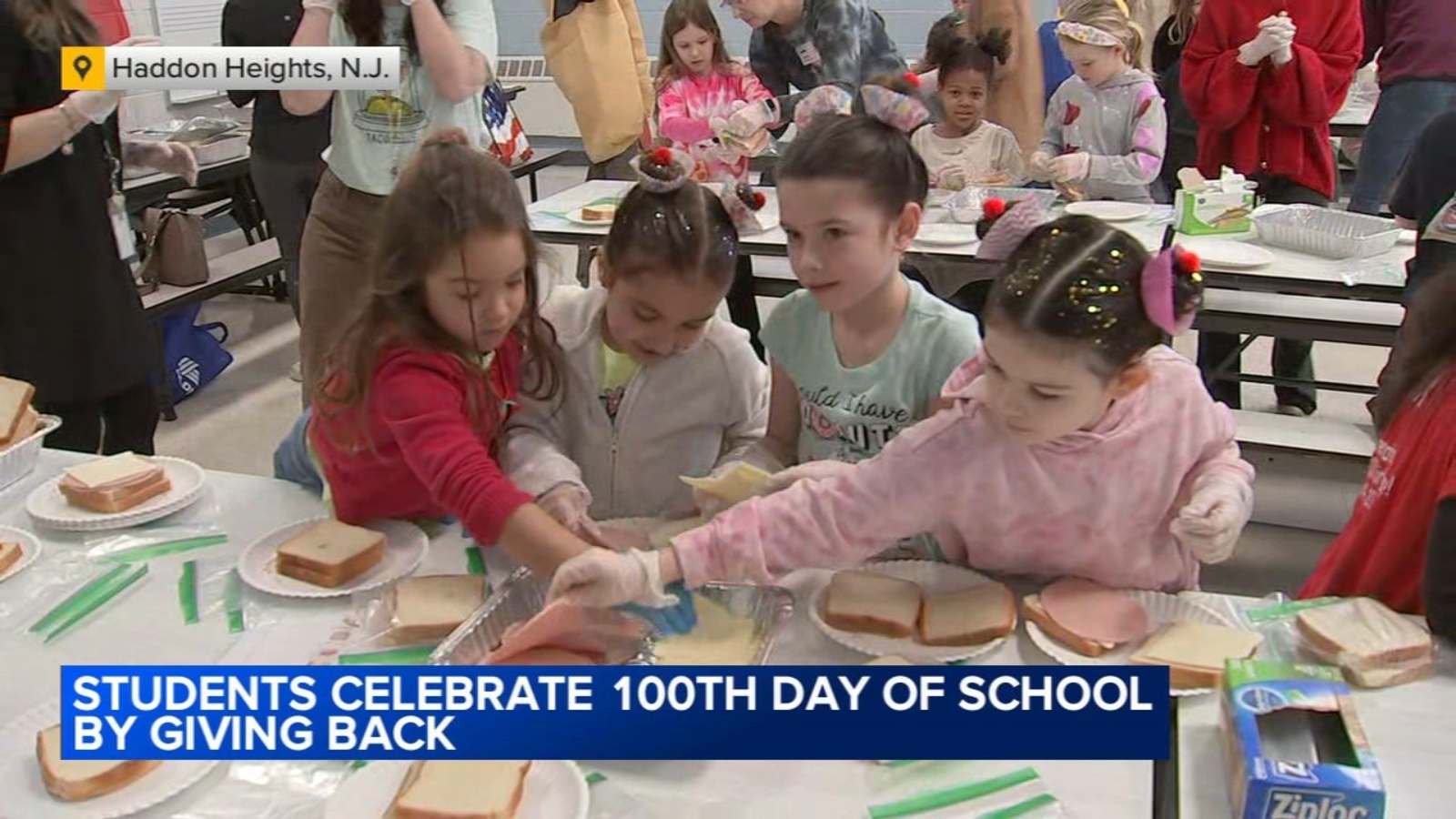
When a classroom milestone meets community compassion, something truly special happens. At Atlantic Avenue Elementary School in Haddon Heights, New Jersey, students transformed the traditional 100th day of school donation celebration into an unforgettable act of generosity. Rather than simply counting to 100 or dressing up as centenarians, these young learners rolled up their sleeves, washed their hands, and prepared hundreds of sandwiches for families facing hunger in their region.
This heartwarming initiative, now in its fourth year, demonstrates how schools can use milestone moments to teach children about empathy, civic responsibility, and the real-world issues affecting their neighbors. Read on to discover how this remarkable event unfolded, the lessons it imparted, and why it’s becoming a model for community-minded education across the country.
A Tradition of Giving: The Story Behind the Sandwiches
The story begins with kindergarten teacher Jilian Soriano, who saw an opportunity to elevate the typical 100th-day festivities. For four consecutive years, she has organized this charitable endeavor, transforming a number-centric milestone into a meaningful lesson about food insecurity, cooperation, and kindness.
“The 100th day of school is already a big deal for kids,” Soriano explained in discussions about the event. “We wanted to mark it in a way that would stick with them long after the celebration ended.”
The result? A school-wide assembly where every grade level contributed to a single mission: preparing at least 300 ham and cheese sandwiches for the Cathedral Kitchen in Camden, one of New Jersey’s oldest and most respected hunger relief organizations.
Why the Cathedral Kitchen Matters
Located just a short drive from Haddon Heights, Cathedral Kitchen serves thousands of meals each year to individuals and families experiencing food insecurity throughout the Camden area. The organization provides hot meals, groceries, and supportive services to those in need, making it an ideal partner for a student-led donation drive.
By directing their charitable efforts toward Cathedral Kitchen, students at Atlantic Avenue Elementary aren’t just donating food,they’re connecting with a tangible organization that makes a measurable difference in their broader community. This connection transforms abstract concepts like “helping others” into something the children can see, understand, and feel proud about.
How the 100th Day Donation Event Unfolded
On the morning of the celebration, the school cafeteria became a bustling hub of activity. Students moved from classroom to cafeteria in an orderly procession, eager to participate in the day’s project. The logistical planning was impressive for an elementary school event, with each grade level taking responsibility for preparing roughly 100 sandwiches.
Pre-Event Learning: Lessons Before Lunch-Making
Before any bread was sliced or any cheese was unwrapped, teachers took time to prepare students with age-appropriate lessons about why they were doing this work. Two critical topics took center stage:
- Food insecurity awareness: Educators introduced the concept in language children could understand, explaining that some families in their community don’t always have enough to eat. They discussed who might be affected,neighbors, classmates, even people they might pass on the street,and why this happens.
- Food safety education: Students learned about proper handwashing, wearing hair coverings or tying back hair, keeping workspaces clean, and handling food products safely. These practical life skills turned the donation event into a hands-on health and hygiene lesson as well.
“We made sure the kids understood that what they were doing had real consequences,” Soriano noted. “They weren’t just playing with food,they were preparing something that someone would actually eat and need.”
The Sandwich-Making Assembly Line
Once the educational component wrapped up, it was time for action. The cafeteria operated like a well-oiled machine, with students moving through stations to assemble each sandwich. Kindergarteners, first graders, second graders, third graders, fourth graders, and fifth graders all had their roles to play.
Younger students focused on simpler tasks like placing cheese slices on bread or counting out portions, while older students took on responsibilities like spreading condiments, layering ingredients, and sealing completed sandwiches into bags or trays for transport.
The Cookie Counters and Baggers
Not every student was tasked with sandwich-making. Recognizing that 300 sandwiches required accompanying treats, teachers assigned a parallel mission to some classes: counting and bagging cookies to pair with the meals.
This secondary activity was more than just an afterthought,it was an intentional design choice. By giving every student a meaningful role in the 100th day of school donation, organizers ensured that no child felt left out of the day’s purpose. Whether slathering ham onto bread or carefully placing a dozen cookies into a clear bag, every student became part of the larger story.
The Educational Power of Service Learning
This event represents a powerful educational philosophy known as service learning, which combines academic instruction with meaningful community service. Research consistently shows that children who participate in service learning activities develop stronger empathy, improved problem-solving skills, and a greater sense of personal agency.
Life Skills Students Take Home
Beyond the immediate benefit of donating sandwiches to those in need, students walked away from the event with a toolkit of practical skills that will serve them throughout their lives:
- Food preparation and safety knowledge: Children learned fundamental kitchen skills they can replicate at home, from spreading ingredients evenly on bread to understanding why certain hygiene practices matter.
- Collaboration and teamwork: Working alongside classmates from different grades taught students how to coordinate efforts, share responsibilities, and appreciate the contributions of others.
- Time management: With a goal of preparing hundreds of sandwiches within a limited timeframe, students experienced firsthand how to work efficiently and stay focused on the task at hand.
- Numeracy in action: Counting to 100 sandwiches per grade, dividing labor, and portioning cookies reinforced math skills in a real-world context,far more memorable than any textbook exercise.
- Social awareness and empathy: Perhaps most importantly, students gained a deeper understanding of the challenges facing their community and the role they can play in addressing them.
Building a Tradition That Inspires Other Schools
What makes this initiative particularly compelling is its sustainability. Now in its fourth year, the Atlantic Avenue Elementary donation project has established itself as a beloved tradition. Younger students look forward to participating once they reach the upper grades, and returning students take pride in teaching newcomers the ropes.
The school’s commitment to this annual event sends a powerful message to families and the wider community: these children are learning to be good citizens, not just good students. By giving back on a milestone day, the school reinforces the idea that learning and generosity go hand in hand.
Replicating the Model in Your Own School
Schools across the country can draw inspiration from this New Jersey example. Here are a few strategies that made Atlantic Avenue’s event successful and could be adapted elsewhere:
- Tie the activity to an existing school milestone. The 100th day of school provided a natural focal point. Other milestones,Dr. Martin Luther King Jr. Day, Thanksgiving, the first day of spring,offer similar opportunities.
- Partner with a verified local nonprofit. Cathedral Kitchen welcomed the donation because the school’s effort aligned with their mission. Researching and contacting organizations ahead of time is essential.
- Prepare students with educational content first. Jumping straight into food preparation without context misses the bigger lesson. Pre-event teaching amplifies the impact.
- Assign roles based on age and ability. A multi-tiered approach ensures every student participates meaningfully.
- Document and celebrate the work. Photos, assemblies, and follow-up conversations help students reflect on what they accomplished and why it mattered.
The Broader Impact of Youth-Led Giving
When children participate in charitable activities, the benefits ripple outward in surprising ways. Studies on prosocial behavior in childhood suggest that young people who engage in giving are more likely to continue those behaviors into adulthood. They also tend to perform better academically, exhibit fewer behavioral problems, and report higher levels of personal happiness.
Atlantic Avenue Elementary School’s annual 100th day of school donation project plants seeds of compassion that will continue to grow for years to come. Former students who packed sandwiches as kindergartners may one day return as volunteers with Cathedral Kitchen themselves, or inspire similar service projects in their own careers and families.
That’s the magic of starting these traditions early. You never fully know the long-term impact of teaching a seven-year-old that their small hands can make a big difference.
Conclusion: More Than Just a Number
The 100th day of school is often associated with counting games, century-themed outfits, and creative math activities. But at Atlantic Avenue Elementary School in Haddon Heights, it’s become something far more meaningful. Through the vision of teacher Jilian Soriano and the dedication of hundreds of young learners, this milestone has been transformed into a powerful demonstration of community care.
The 300-plus sandwiches delivered to Cathedral Kitchen in Camden represent more than just lunch. They represent hope, awareness, and the message that even the youngest members of a community can contribute to solutions for its challenges. They represent a school culture that values character alongside academics. And they represent a hopeful future where today’s children grow into adults who understand that giving back isn’t just a nice idea,it’s a way of life.
As this inspiring tradition enters its fifth year and beyond, one thing is certain: these students aren’t just counting to 100. They’re learning how to count on each other, on their teachers, and on the power of collective kindness to change the world,one sandwich at a time.
