
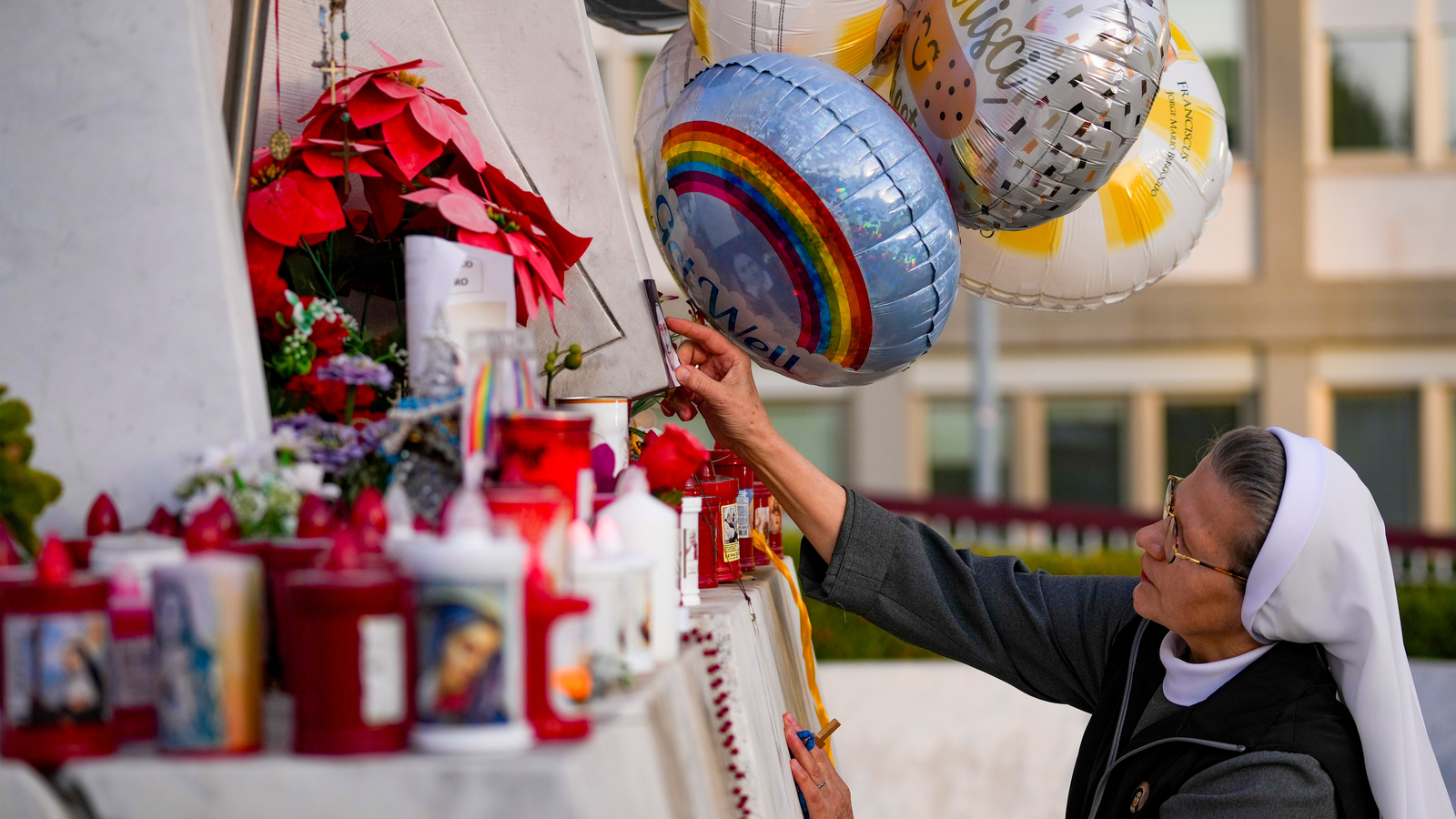
The pope francis health situation has taken a cautiously encouraging turn, with the Vatican announcing on Monday that the 88-year-old pontiff’s critical clinical condition has shown a “slight improvement.” After spending ten consecutive nights at Rome’s renowned Gemelli Hospital, Pope Francis appears to be responding somewhat positively to treatment, though medical officials continue to urge restraint regarding his overall prognosis.
This development marks a notable shift in tone from previous Vatican communications, which had consistently described the pope’s condition as critical since his pneumonia diagnosis earlier this month. The Catholic Church’s global community of approximately 1.3 billion faithful has been holding its collective breath, offering prayers and vigils for the spiritual leader who has guided the Church since 2013.
The Latest Medical Update from the Vatican
According to a statement released by the Vatican press office, doctors treating Pope Francis reported several positive indicators on Monday. The pontiff experienced no episodes of asthmatic respiratory crisis, a significant development given the respiratory complications that originally prompted his hospitalization. Additionally, laboratory tests revealed improvements that medical professionals viewed as encouraging signs.
Oxygen therapy continues to be a cornerstone of his treatment, though the Vatican noted that the flows and oxygen percentage have been “slightly reduced.” This adjustment suggests his lungs may be showing improved capacity to process oxygen independently, though he still requires supplemental support.
“In view of the complexity of the clinical picture, the doctors are still cautious about the prognosis,” the Vatican press office emphasized, underscoring that while the trajectory is positive, the situation remains serious and requires continued vigilance.
Daily Life Inside the Hospital
Despite his medical challenges, Pope Francis has maintained as much normalcy as possible within the hospital environment. On Monday morning, the pontiff was reportedly resting, but by the afternoon, he had resumed some of his work activities. This pattern reflects his well-documented determination to continue his papal duties even while undergoing treatment.
Vatican sources who spoke with ABC News provided additional reassuring details about the pope’s condition. According to these insiders, Francis has been eating normally, remains awake, and is continuing his prescribed medical therapies. Perhaps most encouragingly, the sources noted that the pope is in “good humor” and is not suffering from pain , a remarkable testament to his resilience given the severity of his pneumonia diagnosis.
The pontiff himself expressed gratitude for the outpouring of support he has received. “Pope Francis thanks all the people of God who have gathered in these days to pray for his health,” the Vatican statement read, conveying his appreciation for the global wave of prayers and well-wishes.
A Timeline of the Hospitalization
The current health crisis began on February 14, when Pope Francis was admitted to Gemelli Hospital following a bout with bronchitis. What initially appeared to be a manageable respiratory infection escalated in severity, leading to a pneumonia diagnosis on Tuesday. By Sunday, Vatican officials confirmed that he remained in critical condition, prompting widespread concern among Catholics worldwide.
The 88-year-old pontiff has now spent more than ten nights receiving treatment at the hospital, which serves as the traditional medical care facility for popes and is sometimes referred to as “Italy’s hospital of the popes.” This extended hospitalization represents one of the longest stays Pope Francis has endured during his papacy, raising concerns about his overall health trajectory.
Throughout his hospitalization, Francis has undergone multiple clinical tests, including another round of examinations conducted on Sunday morning. These tests have been crucial in monitoring his condition and adjusting his treatment plan accordingly.
The Vatican and Catholic Church Response
In a powerful demonstration of spiritual solidarity, a rosary was scheduled to be recited in St. Peter’s Square at the Vatican on Monday evening. The prayer service was to be led by Cardinal Secretary of State Pietro Parolin, one of the highest-ranking officials in the Catholic Church hierarchy.
Matteo Bruni, the director of the Vatican press office, explained the spiritual gathering’s significance, stating that the rosary serves as a way for the Church to express its “closeness to the Pope and the sick.” This public display of unity reflects the deep concern felt across the global Catholic community and provides an opportunity for collective prayer and support.
The response from Catholics worldwide has been substantial, with prayer vigils being organized in parishes from Buenos Aires to Manila. Social media platforms have been flooded with messages of support, using hashtags and prayers specifically dedicated to the pope’s recovery.
Understanding Pope Francis’s Health Challenges
At 88 years old, Pope Francis faces age-related health vulnerabilities that complicate his recovery from pneumonia. The respiratory condition poses particular risks for elderly patients, as it can lead to complications including respiratory failure, sepsis, and secondary infections. Medical experts emphasize that recovery from pneumonia in patients of advanced years typically requires extended treatment periods and careful monitoring.
Pope Francis has experienced various health issues throughout his papacy, including sciatica that has occasionally required him to use a wheelchair, and previous respiratory concerns. However, this current hospitalization represents one of his most serious health challenges since assuming papal duties in March 2013.
His medical history includes having part of one lung removed during his youth in his native Argentina, which adds another layer of complexity to his current respiratory treatment. This pre-existing condition makes his recovery from pneumonia particularly noteworthy and his medical team is likely taking extra precautions to prevent complications.
Global Impact and Continued Vigilance
The pope francis health situation has captured global attention, transcending religious boundaries to become an international news story. World leaders, including U.S. President Donald Trump, Russian President Vladimir Putin, and various European heads of state, have publicly expressed their well-wishes for the pontiff’s recovery. This widespread concern reflects Pope Francis’s significant diplomatic role and his moral authority on the world stage.
The Vatican has committed to providing regular updates on the pope’s condition, balancing transparency about his health with appropriate privacy considerations. This approach has helped manage public concern while keeping the global Catholic community informed about their spiritual leader’s status.
Medical professionals treating the pope have emphasized that while the slight improvement is encouraging, the path to full recovery remains uncertain. Pneumonia in elderly patients often follows a non-linear recovery pattern, with periods of improvement potentially followed by setbacks. The Vatican’s cautious tone reflects this medical reality.
Looking Ahead: What Comes Next
As Pope Francis continues his recovery at Gemelli Hospital, several key questions remain regarding his return to public duties. The Vatican has not provided a specific timeline for his discharge, instead focusing on day-to-day medical progress. His scheduled engagements and appearances will likely be adjusted based on his recovery trajectory.
The slight improvement announced on Monday provides hope that the worst of the crisis may be passing, though it would be premature to declare his recovery assured. The pope’s medical team will continue monitoring his condition closely, adjusting treatments as needed, and providing updates through official Vatican channels.
For the global Catholic community, the coming days will likely be marked by continued prayer and solidarity. The rosary service at St. Peter’s Square represents just one visible expression of the spiritual support being directed toward the pontiff during this challenging period.
Conclusion
The latest update on pope francis health offers a measure of cautious optimism, with the Vatican reporting a slight improvement in his critical condition following his hospitalization for pneumonia. While medical officials continue to urge restraint regarding his prognosis, the absence of asthmatic respiratory crises, improved laboratory results, and reduced oxygen requirements suggest the 88-year-old pontiff may be turning a corner in his recovery. As Pope Francis continues treatment at Rome’s Gemelli Hospital, the Catholic Church and global community remain united in prayer for his full recovery, awaiting the day when he can resume his pastoral duties with the vigor and compassion that have defined his papacy. The coming weeks will be crucial in determining the trajectory of his recovery and his eventual return to the public ministry that has made him one of the most influential spiritual leaders of our time.