
The 1890 Scholars Program, a transformative federal scholarship initiative designed to support students from underserved and rural communities pursuing agricultural studies at historically Black colleges and universities (HBCUs), has been suspended by the U.S. Department of Agriculture. The unexpected halt has left many students, families, and university administrators seeking clarity about the future of this vital educational pipeline.
Background on the 1890 Scholars Program
Established in 1992, the 1890 Scholars Program pays tribute to the Second Morrill Act of 1890, a landmark piece of legislation that created land-grant institutions for Black students during a time when segregation barred them from accessing higher education opportunities. The scholarship covers full tuition and fees for students pursuing degrees in agriculture, food sciences, natural resource sciences, and related disciplines at one of the 19 designated 1890 land-grant universities.
To qualify for the program, applicants must be U.S. citizens with a minimum 3.0 GPA, secure admission to one of the 19 participating institutions, and demonstrate both leadership ability and a commitment to community service. In October alone, the USDA set aside $19.2 million for the program, underscoring its scale and significance. During fiscal year 2024, 94 students received scholarships through this initiative.
Why Was the Program Suspended?
The USDA announced the suspension through a brief statement on the program’s official website: “The 1890 Scholars Program has been suspended pending further review.” While the exact date of the suspension remains unclear, members of Congress began issuing public statements criticizing the decision on Thursday.
According to administration officials, the freeze was implemented to evaluate whether existing spending aligned with President Donald Trump’s executive orders on issues including climate change initiatives and diversity, equity, and inclusion programs. A USDA spokesperson confirmed via email to The Associated Press that more than 300 scholars, regardless of their matriculation date, have been retained to finish their current studies and complete their work with the department.
The Administration’s Position
USDA Secretary Brooke Rollins has committed to conducting a thorough review of the scholarship program’s mission, structure, and performance metrics. The spokesperson emphasized that this evaluation aims to “ensure taxpayer resources are used efficiently.” Supporters of the program, however, argue that the suspension itself represents a misallocation of priorities, given the program’s decades-long track record of producing skilled graduates who enter critical agricultural and scientific fields.
Which HBCUs Are Affected?
The suspension impacts students at all 19 1890 land-grant universities, including several prominent institutions:
- Alabama A&M University
- Florida A&M University
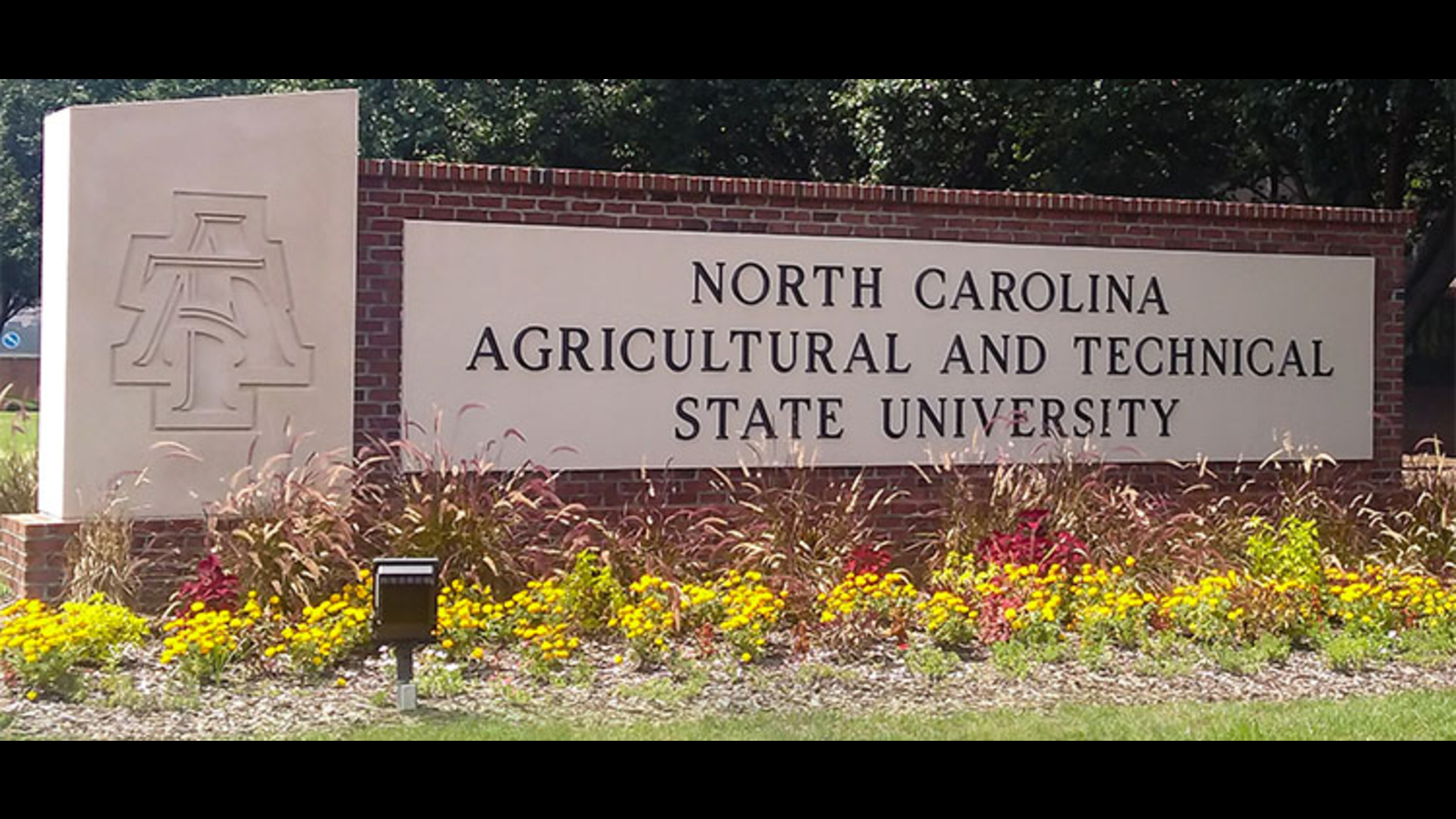
- North Carolina A&T State University
- Tuskegee University (Alabama)
NC A&T State University, located in Greensboro, North Carolina, holds the distinction of being the largest HBCU in the country. Its agricultural programs have long benefited from the scholarship, making the suspension particularly impactful for current and prospective students in the region.
The Broader Context: Federal Funding Freeze
The 1890 Scholars Program suspension did not occur in isolation. It coincides with a sweeping federal funding freeze imposed by the Trump administration, which has affected numerous programs across multiple agencies. This executive action has faced legal challenges, with courts already issuing temporary holds against certain aspects of the freeze.
Critics argue that the funding freeze disproportionately impacts minority-serving institutions and the students who rely on federal support to access higher education. For HBCUs specifically, which have historically been underfunded compared to their predominantly white counterparts, the loss of scholarship programs represents a significant setback.
What Happens to Current Scholars?
Perhaps the most pressing concern for students and families is what the suspension means for those already enrolled in the program. According to the USDA spokesperson, all current scholars, more than 300 individuals, will be permitted to complete their studies and finish their commitments to the department. This retention policy provides some reassurance for students currently pursuing degrees through the program.
However, prospective students who were planning to apply for the 2025-2026 academic year face significant uncertainty. Without a clear timeline for when or if the program will resume, many students may need to explore alternative funding options or reconsider their academic plans entirely.
The Historical Significance of the 1890 Land-Grant System
To fully appreciate the weight of this suspension, it helps to understand the historical context of the 1890 land-grant university system. The Second Morrill Act of 1890 was passed in response to the exclusion of Black students from the original land-grant colleges established under the First Morrill Act of 1862. Rather than integrating existing institutions, Congress chose to fund separate Black colleges, giving rise to the 1890 land-grant institutions.
These universities have served as crucibles of Black academic excellence for more than a century, producing leaders in agriculture, science, engineering, and public service. The 1890 Scholars Program was created specifically to ensure that talented students from rural and underserved backgrounds could access these institutions without financial barriers standing in their way.
Reactions from Congress and Advocacy Groups
Members of Congress have voiced strong opposition to the suspension, with several issuing statements criticizing the decision within days of the announcement. Advocacy organizations focused on HBCU preservation and agricultural education have also expressed concern, noting that the program has been instrumental in diversifying the agricultural workforce and supporting rural communities.
Many advocates have pointed out that the scholars who graduate from this program often return to work in underserved areas, helping to strengthen local food systems, support family farms, and address critical shortages in agricultural professions. Cutting off this pipeline, they argue, will have ripple effects far beyond the individual students affected.
What Students Should Do Now
For students currently enrolled in or affiliated with the 1890 Scholars Program, the following steps are recommended:
- Stay in contact with your university’s financial aid office to understand your current standing and explore alternative funding sources if needed.
- Monitor official USDA communications for updates on the program’s review and potential reinstatement.
- Explore institutional scholarships offered by your specific 1890 land-grant university.
- Research private foundations and nonprofits that support minority students in agricultural fields.
- Connect with advocacy organizations working to preserve and restore funding for HBCU programs.
Looking Ahead
The suspension of the 1890 Scholars Program represents more than just a budgetary decision; it raises fundamental questions about the nation’s commitment to educational equity and workforce diversity in agriculture. As Secretary Rollins conducts her review, stakeholders across the HBCU community will be watching closely to see whether the program is ultimately reinstated, restructured, or permanently discontinued.
With over 300 current scholars continuing their studies and the legal status of the broader federal funding freeze still being decided in courts, the situation remains fluid. What is certain is that the 1890 land-grant institutions and their students have played an indispensable role in American agriculture and higher education for over 130 years, and the outcome of this review will shape the future of countless students who dream of contributing to these critical fields.
For now, students, families, and advocates must remain informed, engaged, and vocal about the importance of preserving access to educational opportunities at HBCUs. Programs like the 1890 Scholars Program are not merely financial assistance; they are lifelines that connect talented students from underserved communities to careers that strengthen the nation’s agricultural foundation and ensure that the legacy of the Second Morrill Act continues to bear fruit for generations to come.