
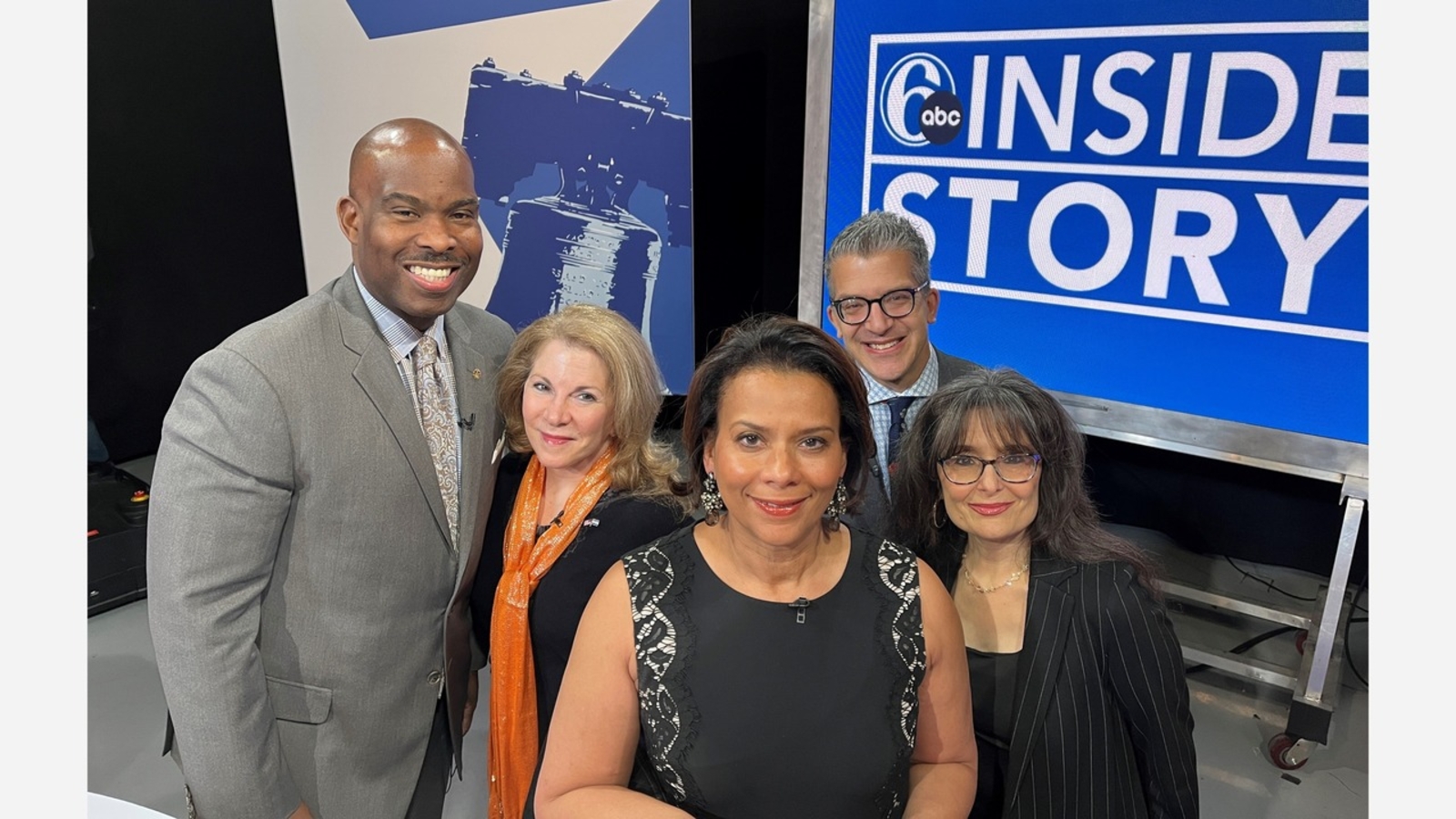
Philadelphia is no stranger to bold urban policy moves, but Mayor Cherelle Parker’s new H.O.M.E Initiative represents one of the most ambitious affordable housing commitments the city has seen in decades. Announced as a central pillar of her administration’s agenda, the home initiative pledges to create and/or restore 30,000 affordable housing units throughout Philadelphia during her time in office. This sweeping commitment has sparked intense debate among city leaders, policy experts, and residents, all of whom gathered recently on 6abc’s “Inside Story” with host Tamala Edwards to discuss what this massive undertaking could mean for the future of the city.
The discussion brought together a diverse panel,including former Councilmember Derek Green, political commentator Donna Gentile O’Donnell, attorney Christine Flowers, and political strategist Jeff Jubelirer,to weigh in on the scope, feasibility, and potential impact of Parker’s signature housing policy.
What Exactly Is the H.O.M.E Initiative?
The H.O.M.E Initiative,short for Housing Opportunities Made Equitable,is Parker’s flagship approach to tackling Philadelphia’s long-standing affordable housing crisis. The mayor has positioned this home initiative as a comprehensive strategy that addresses both supply and demand in the local housing market. With a goal of 30,000 units, the plan is designed to either construct new affordable homes or rehabilitate existing vacant and blighted properties across the city’s many neighborhoods.
According to the announcement, the initiative aims to serve residents across a wide income spectrum, particularly those who have historically been left behind by Philadelphia’s housing market. Working families, seniors on fixed incomes, and individuals transitioning out of homelessness are expected to benefit from the program’s reach.
What makes this home initiative distinct from previous housing efforts is its scale. Thirty thousand units is a number that dwarfs most municipal housing programs nationwide, and it reflects Parker’s commitment to making affordable housing a defining legacy of her administration.
The Numbers Behind Philadelphia’s Housing Crisis
To understand why a home initiative of this magnitude matters, it’s worth examining the current state of housing in Philadelphia. The city has long struggled with:
- Vacant properties: Tens of thousands of abandoned buildings dot neighborhoods across the city, many of them remnants of decades of population loss and economic disinvestment.
- Rising rental costs: Median rents have climbed steadily, pushing many working-class families toward housing insecurity.
- Homelessness: Philadelphia consistently ranks among the largest cities experiencing chronic homelessness, with shelters often operating at full capacity.
- Homeownership gaps: Significant disparities exist in homeownership rates between white residents and Black and Brown Philadelphians, a legacy of redlining and discriminatory lending practices.
Against this backdrop, Parker’s home initiative represents not just a policy announcement but a response to decades of compounding challenges that have left many Philadelphians without stable, affordable places to live.
How the Plan Could Work in Practice
While the broad strokes of the H.O.M.E Initiative have been outlined, the details of execution are still being developed. Based on the panel discussion and available information, here are the key components likely to shape implementation:
Public-Private Partnerships
Delivering 30,000 units will almost certainly require collaboration between the city government, nonprofit developers, and private sector partners. Philadelphia has a robust network of community development corporations (CDCs) and affordable housing developers that have historically played a central role in neighborhood revitalization. The home initiative is expected to channel significant resources toward these organizations to expand their capacity.
Restoring Vacant Properties
A meaningful share of the 30,000-unit goal will likely come from rehabilitating Philadelphia’s vast inventory of vacant properties. The Land Bank and related city entities have been working to streamline the process of transferring blighted properties to developers willing to convert them into affordable housing. Under this home initiative, that work could accelerate considerably.
New Construction
In neighborhoods where vacant land is available or where new development makes sense, the initiative will fund ground-up construction of affordable homes and apartment buildings. This approach can also serve as an economic catalyst, creating construction jobs and stimulating local commerce.
Preservation of Existing Affordable Units
Beyond building new homes, the home initiative includes commitments to preserve affordable units that might otherwise be lost to market-rate conversion. This often-overlooked component is critical, as losing an existing affordable unit to gentrification can undo years of policy progress.
Reactions from Philadelphia’s Political Landscape
The H.O.M.E Initiative has generated a wide range of responses from political figures and community stakeholders. On the “Inside Story” panel, opinions varied significantly:
Derek Green, a former at-large member of Philadelphia City Council, offered measured support, noting that ambitious housing goals have historically required bold political will. He pointed out that the city’s housing crisis did not develop overnight, and solving it will require sustained commitment beyond any single administration.
Donna Gentile O’Donnell brought a policy-focused lens to the conversation, raising important questions about funding mechanisms. Where will the billions of dollars needed to support 30,000 units come from? Federal housing tax credits, state appropriations, municipal bonds, and private investment will all likely need to play a role.
Christine Flowers, an attorney and frequent political commentator, expressed skepticism about the feasibility of such an enormous target, questioning whether city government has the operational capacity to manage a project of this scale without significant bureaucratic reform.
Jeff Jubelirer, a veteran political strategist, emphasized the political significance of the announcement. He noted that housing affordability resonates deeply with Philadelphia voters, and Parker’s home initiative positions her as a mayor willing to take on one of the city’s most persistent challenges head-on.
Challenges the H.O.M.E Initiative Must Overcome
No large-scale housing program succeeds without navigating substantial obstacles. Here are some of the most pressing challenges the H.O.M.E Initiative will need to address:
Financing the Vision
The single biggest question surrounding the home initiative is funding. Affordable housing development typically relies on layered financing,combining public subsidies, low-income housing tax credits, private debt, and sometimes philanthropic support. Producing 30,000 units will require creative and sustained financial engineering, particularly in an environment where federal housing dollars have not kept pace with need.
Community Opposition
Affordable housing developments often face resistance from existing residents concerned about property values, neighborhood character, or strain on local services. Parker’s home initiative will need a robust community engagement strategy to build trust and demonstrate the benefits of affordable housing for entire neighborhoods, not just the residents who move into new units.
Construction Capacity
Philadelphia’s construction industry, while substantial, would need to scale significantly to deliver 30,000 units within the timeframe of a single mayoral tenure. Labor shortages, supply chain issues, and rising material costs could all slow progress.
Federal Uncertainty
With ongoing tensions between Pennsylvania and the federal government,including Governor Josh Shapiro’s recent lawsuit against the Trump Administration over a federal funding freeze,the home initiative could face headwinds if federal housing support is disrupted. State and local leaders will need to be nimble in adapting to changing federal policy environments.
Why This Matters Beyond Philadelphia
Philadelphia’s home initiative is being watched closely by mayors and housing advocates across the country. If successful, it could become a model for other mid-sized American cities grappling with similar challenges,places where vacancy and affordability exist side by side, and where creative policy responses are desperately needed.
Conversely, if the initiative falls short of its goals, it could become a cautionary tale about the limits of municipal action in addressing structural housing problems. The stakes, in other words, extend well beyond Philadelphia’s city limits.
Looking Ahead: What Philadelphians Should Watch For
For residents eager to track the progress of the H.O.M.E Initiative, here are the key milestones to watch in the coming months and years:
- Funding announcements: Details about where the billions of dollars in projected costs will come from.
- Project pipelines: Identification of specific neighborhoods, developments, and developers selected for early implementation.
- Community input processes: Opportunities for residents to weigh in on projects in their neighborhoods.
- Annual progress reports: Transparent accounting of how many units have been created or restored each year.
Conclusion
Mayor Cherelle Parker’s H.O.M.E Initiative represents a bold, ambitious, and potentially transformative approach to Philadelphia’s affordable housing crisis. By committing to create and/or restore 30,000 affordable housing units during her tenure, the mayor has set a high bar,one that will require sustained political will, creative financing, strong partnerships, and genuine community engagement to achieve. The initiative has already sparked important conversations among Philadelphia’s political class, and those debates will only intensify as implementation begins. Whether the H.O.M.E Initiative ultimately succeeds will depend not just on the vision announced, but on the careful, year-after-year execution that turns a headline-grabbing promise into thousands of real homes for real Philadelphians. For a city that has waited decades for meaningful housing action, this home initiative may finally be the moment that hope translates into measurable change.
