
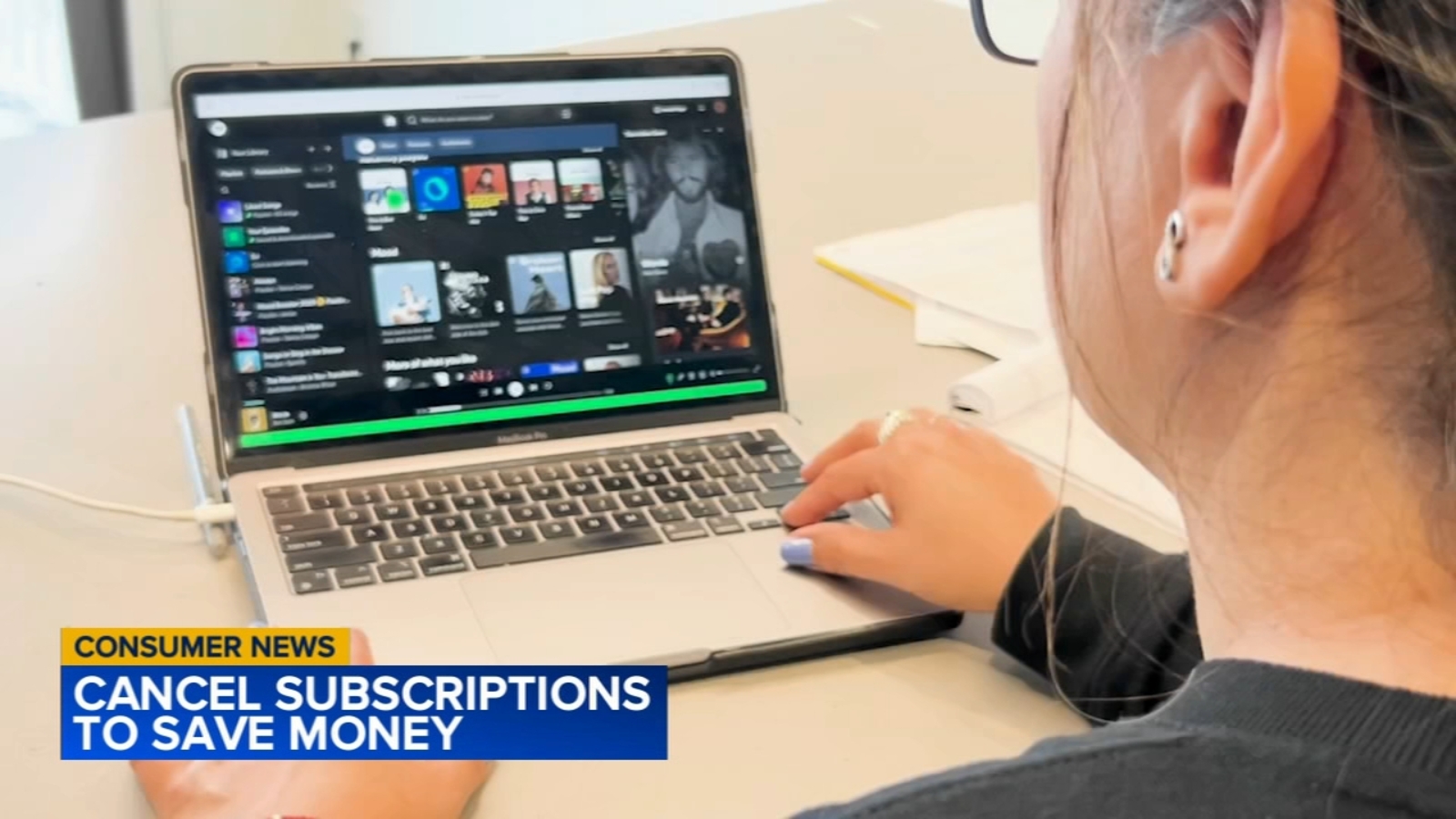
Let’s be honest , most of us are guilty of paying for at least one subscription we’ve completely forgotten about. Whether it’s a streaming platform you haven’t logged into in months or a meditation app you tried once, these forgotten services quietly drain your bank account every single month. Learning how to cancel subscriptions you don’t actually use is one of the fastest, easiest ways to reclaim control of your finances and stop wasting money on digital clutter.
In this guide, you’ll discover practical strategies to identify sneaky recurring charges, navigate tricky cancellation processes, and even leverage new consumer protection rules to your advantage. By the end, you’ll have a clear roadmap to trim your monthly expenses without sacrificing the services you genuinely love.
Why Canceling Unused Subscriptions Matters More Than You Think
The average consumer juggles more subscriptions than ever before , streaming services, music platforms, fitness apps, meal kit deliveries, cloud storage, and more. It’s remarkably easy to lose track of what’s actively billing your credit card each month. Industry research suggests that the typical household spends hundreds of dollars annually on subscriptions they rarely or never use.
That “small” $9.99 monthly charge might seem harmless, but multiply it across several forgotten services, and you’re looking at serious cash that could go toward debt repayment, savings, or experiences you actually enjoy. Taking the time to cancel subscriptions strategically can free up significant funds without requiring drastic lifestyle changes.
Spotting Forgotten Subscriptions: Where to Look
Before you can cancel anything, you need to know what you’re actually paying for. Most people underestimate how many services have their credit card on file.
Audit Your Credit Card and Bank Statements
The most reliable way to uncover hidden subscriptions is to review at least twelve months of credit card and bank statements. Scroll through methodically and flag every recurring charge, no matter how small. You’ll likely discover services you signed up for during a free trial and simply forgot about , or apps that auto-renewed without your awareness.
Look for patterns in charges that appear monthly or annually. If a company name looks unfamiliar, do a quick online search. Sometimes the merchant name on your statement looks nothing like the brand you remember subscribing to.
Check Your Email for Confirmation Messages
Search your inbox for phrases like “welcome,” “subscription confirmed,” or “your trial.” These messages often contain direct links to manage or cancel services, making the process much faster.
Review Your App Store Purchase History
If you frequently subscribe through your phone, your purchase history is a goldmine for forgotten subscriptions. On iPhone, navigate to Settings, tap your name, then select Subscriptions to see every active service tied to your Apple ID. Android users can visit the Google Play Store, tap their profile icon, and select “Payments & subscriptions” followed by “Subscriptions” to view their full list.
Smart Strategies for Free Trials
Free trials are one of the most common traps leading to unwanted charges. A streaming service might offer 30 days free, but if you forget to cancel before the trial ends, you’ll be billed automatically , often at a promotional rate that increases later.
Set Calendar Reminders Immediately
The moment you sign up for any free trial, set a reminder in your phone’s calendar two to three days before the trial expires. This gives you enough time to evaluate the service and decide whether to keep it or cancel. Without this simple step, you’ll likely forget and end up paying for something you didn’t intend to purchase.
Use Virtual or Prepaid Cards
For services you plan to try once and discard, consider using a prepaid card with limited funds. When the trial converts to a paid subscription, the charge will simply fail , saving you the hassle of canceling altogether.
Dealing with Auto-Renewals and Price Hikes
Many subscription services rely on auto-renewal features that automatically extend your subscription and bill your card without warning. Some companies even raise prices once a promotional period ends, hoping customers won’t notice.
The Power of the Cancellation Threat
Here’s a savvy insider tip: if you decide to keep a subscription but notice a price increase, call customer service and mention you’re considering canceling. Retention teams are typically authorized to offer discounts, waived fees, or even price locks to keep you as a customer. You’d be surprised how often a simple “I’d like to cancel” unlocks significant savings on services you actually want to keep.
Read the Fine Print Before Signing Up
Before committing to any subscription, take a moment to review the terms regarding auto-renewal. Knowing the renewal date and pricing structure upfront prevents unpleasant surprises down the road.
Are Subscription Management Tools Worth It?
Numerous apps and services claim to help you track and cancel subscriptions automatically. While these tools can be helpful, they come with important caveats.
Most subscription tracking tools require access to your email or bank accounts to scan for recurring charges. Before granting this access, carefully review the tool’s privacy policy. Understand exactly what data is collected, how it’s stored, and whether it’s shared with third parties. Some services may sell your financial data to marketers, which creates its own set of risks.
Stick with reputable, well-reviewed apps, and consider whether manual tracking might be safer for your situation.
New FTC Rule Makes Canceling Easier
For years, consumers have complained about deliberately difficult cancellation processes , endless phone trees, retention specialists, and hidden “are you sure?” screens designed to frustrate users into giving up.
A new rule from the Federal Trade Commission, which takes effect in May, requires companies to make canceling a subscription just as straightforward as signing up. This is a major win for consumer rights. If you’ve ever struggled to cancel a gym membership or a streaming service, this regulation is designed to eliminate those obstacles.
Under this rule, businesses must provide a simple cancellation mechanism , no jumping through hoops, no being transferred to multiple departments, no mandatory surveys. If a company violates these requirements, the FTC can pursue enforcement actions and penalties.
What to Do After You’ve Canceled
Your work isn’t finished once you hit the cancel button. Taking a few additional steps ensures you don’t continue being charged.
Monitor Your Statements Closely
Check your bank or credit card statements for at least two to three billing cycles after canceling. Some companies mistakenly continue charging former customers, while others deliberately hope you won’t notice.
File a Chargeback If Necessary
If a company keeps charging you after you’ve canceled, contact your bank or credit card issuer immediately to file a chargeback dispute. Most financial institutions take unauthorized charges seriously and will work to recover your money. Document your cancellation confirmation , screenshots, emails, or reference numbers , to support your claim.
Recognizing Subscription Scams
Unfortunately, the subscription economy has attracted scammers who exploit unfamiliar charges and renewal notices. Stay alert for these red flags:
- Charges you don’t recognize: Unknown company names on your statement could indicate fraud.
- Suspicious renewal notices: Legitimate companies rarely ask for personal information, Social Security numbers, or banking details via email.
- Urgent language demanding immediate action: Scammers create panic to prevent you from thinking clearly.
- Links in emails: Never click links claiming your subscription needs urgent renewal , they often lead to phishing sites designed to steal your data.
When in doubt, contact the company directly using contact information from their official website rather than responding to suspicious emails.
Building a Sustainable Subscription Strategy
Once you’ve trimmed the fat from your monthly expenses, consider implementing an ongoing review process. Mark a date on your calendar every three to six months to audit your subscriptions. This habit prevents new forgotten services from accumulating and keeps your spending aligned with your actual usage.
Ask yourself honestly: When did I last use this service? Would I miss it if it were gone? Is there a cheaper alternative that meets the same need? These simple questions can guide smarter decisions about which subscriptions truly deserve a place in your budget.
Final Thoughts
Learning how to effectively cancel subscriptions isn’t just about saving a few dollars here and there , it’s about taking control of your financial life. With new consumer protection rules making cancellations easier, and countless tools available to help you track recurring charges, there’s never been a better time to audit your monthly expenses.
Start today by reviewing your most recent bank statement. You’ll probably find at least one subscription worth canceling , and that single action could be the beginning of a healthier relationship with your money. Every dollar you save on unused services is a dollar that can work toward your financial goals instead of padding someone else’s profits.