
The beauty industry has a troubling secret that millions of Black women encounter every single day. According to a groundbreaking report from the Environmental Working Group (EWG), nearly 80% of toxic beauty products marketed specifically to Black women contain ingredients linked to serious health concerns, including elevated risks of breast and uterine cancers. This alarming statistic exposes a public health emergency hiding in plain sight on drugstore shelves, beauty supply stores, and salon counters across the country.
The Shocking Reality Behind Beauty Aisle Marketing
For generations, the beauty industry has heavily targeted Black women with products promising smoother skin, straighter hair, lighter complexions, and longer lashes. Unfortunately, what these glossy advertisements fail to mention is that many of these formulations contain harmful chemicals in cosmetics that pose significant long-term health risks. The EWG’s investigation analyzed thousands of products specifically marketed toward Black consumers and uncovered a disturbing pattern of dangerous ingredient use.
The findings are particularly concerning because Black women already face higher mortality rates from breast cancer compared to other demographic groups. When toxic beauty products containing known carcinogens are disproportionately marketed to this community, the health implications become even more devastating. This isn’t merely a consumer choice issue,it’s a matter of environmental justice and health equity.
Which Ingredients Are Causing Concern?
The EWG report identified several categories of concerning ingredients commonly found in personal care products marketed to Black women:
- Parabens – Preservatives used to extend shelf life that have been linked to hormonal disruption and breast cancer risk
- Formaldehyde and formaldehyde-releasing agents – Known carcinogens found in some hair straightening treatments and keratin products
- Phthalates – Chemical compounds associated with reproductive health issues and endocrine disruptors in beauty products
- Hydroquinone – A skin-lightening agent linked to cancer and serious skin conditions
- Lye and sodium hydroxide – Caustic ingredients found in chemical hair relaxers
- Talc – Sometimes contaminated with asbestos, particularly in body and facial powders
- Coal tar – Used in some anti-dandruff shampoos and known to cause cancer
- Fragrance blends – Often contain undisclosed chemicals that can trigger allergic reactions and hormonal disruption
Why Are These Ingredients More Prevalent in Products for Black Women?
The disparity isn’t accidental. Historically, Black women’s beauty needs have been underserved by mainstream brands, creating space for companies that prioritized results over safety. Chemical relaxers, skin lighteners, and textured hair products often require stronger chemical formulations to achieve their intended effects. Combined with weaker regulatory oversight and aggressive marketing tactics, this created a perfect storm where toxic beauty products became normalized in Black communities.
The Regulatory Gap in the Beauty Industry
One of the most frustrating aspects of this crisis is the lack of meaningful regulation in the cosmetics industry. Unlike food and pharmaceutical products, personal care items in the United States are largely self-regulated by the manufacturers themselves. The FDA does not require pre-market safety testing, and many ingredients banned in other countries remain perfectly legal in American beauty products.
This regulatory vacuum has allowed harmful chemicals in cosmetics to remain on shelves for decades, with companies prioritizing profit margins over consumer health. The European Union has banned or restricted over 1,300 ingredients in cosmetics, while the United States has restricted fewer than 30. This stark contrast highlights just how far behind American regulations have fallen.
The Health Consequences Are Real
Recent studies have begun connecting the dots between daily exposure and serious health outcomes. Research published in medical journals has found correlations between frequent use of chemical hair straighteners and increased uterine cancer risk, particularly among women who use these products more than four times per year. Other studies have examined the cumulative effects of endocrine disruptors in beauty products, which can interfere with hormone production, reproductive health, and even fetal development.
The health impacts extend beyond cancer risk:
- Reproductive health issues – Including early puberty, fertility problems, and pregnancy complications
- Skin conditions – Chemical burns, scarring, and permanent damage from relaxers and lighteners
- Respiratory problems – From inhaled powders and aerosolized products
- Allergic reactions – Increasing rates of contact dermatitis and chemical sensitivities
- Hair and scalp damage – Including alopecia, scalp burns, and follicle destruction
How to Check Your Products: The EWG Skin Deep Database
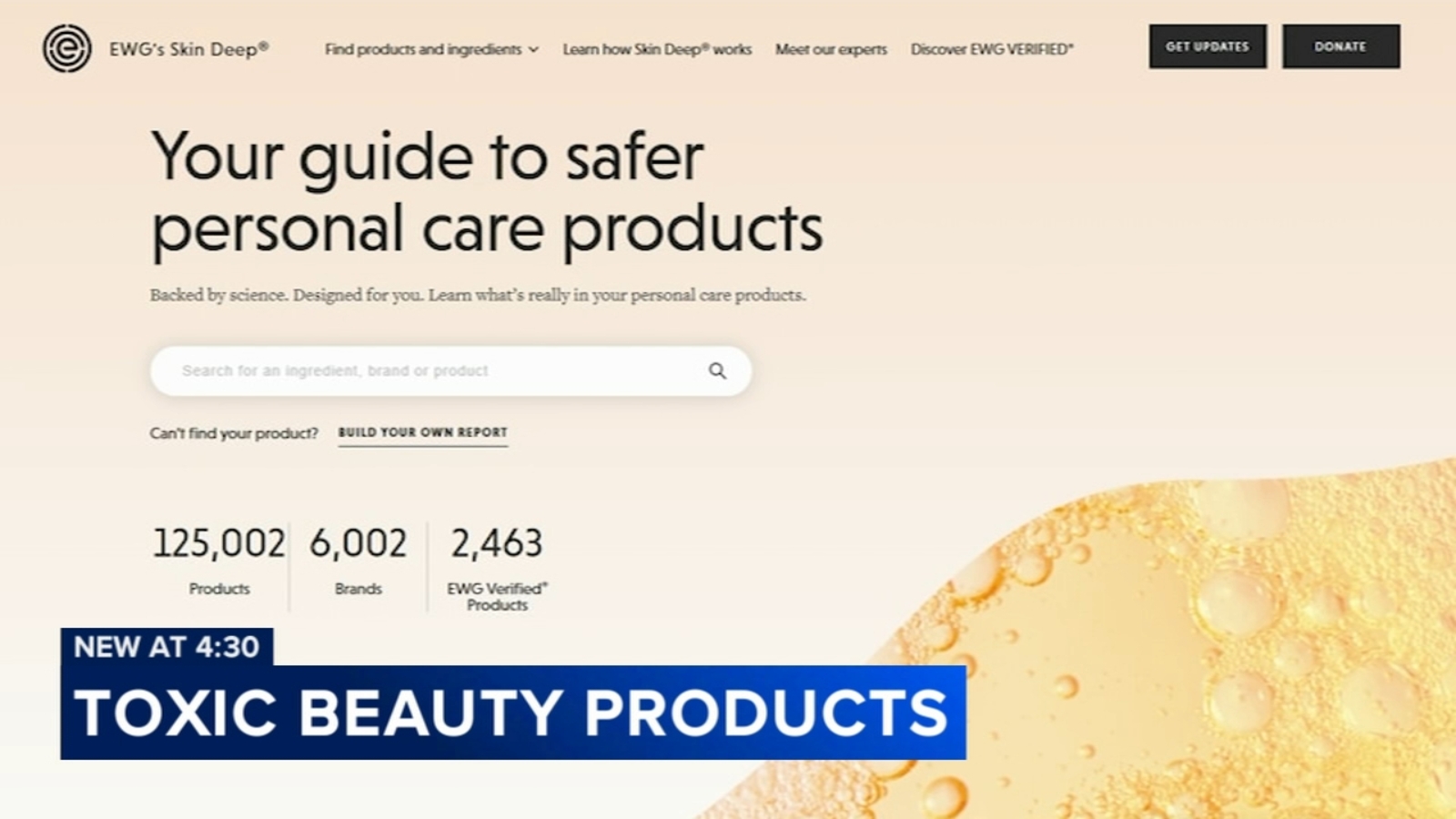
Empowerment begins with information. The EWG has created the Skin Deep database, a comprehensive resource where consumers can search for specific products and ingredients to understand their potential health risks. Each product receives a hazard score from 1-10, with lower numbers indicating safer formulations.
When shopping for personal care product safety, here are practical steps every consumer can take:
- Read ingredient labels carefully – Familiarize yourself with the names of harmful chemicals and learn to recognize them on packaging
- Use the EWG Skin Deep database – Check ratings before purchasing new products
- Choose certified clean beauty brands – Look for third-party certifications from organizations like EWG Verified, Credo Clean Standard, or MADE SAFE
- Embrace natural alternatives – Many traditional hair and skin care methods used by Black women for generations are inherently safer
- Advocate for stronger regulations – Support legislation like the Personal Care Products Safety Act
- Educate your circle – Share information with friends, family, and community members
The Rise of Clean Beauty for Black Women
Fortunately, the growing awareness of these issues has sparked a movement toward clean beauty for Black women. Black entrepreneurs and established brands alike are creating safer alternatives that don’t sacrifice performance for safety. From sulfate-free shampoos to natural skincare lines formulated specifically for melanin-rich skin, consumers now have more options than ever before.
This shift represents more than just a market trend,it signals a broader recognition that Black women deserve products that are both effective and safe. Beauty should never come at the cost of health.
Taking Action: What Comes Next
Individual consumer choices matter, but systemic change requires collective action. Supporting advocacy organizations, demanding transparency from brands, and pushing for legislative reform are all essential components of addressing this crisis. The beauty industry has operated with minimal accountability for too long, and that era must end.
Consumers can amplify their impact by:
- Contacting legislators to support stronger cosmetic safety regulations
- Boycotting brands that refuse to reformulate or disclose formulations
- Supporting Black-owned clean beauty businesses that prioritize safety
- Demanding transparency from all beauty brands about ingredient sourcing and testing
- Sharing information on social media to raise community awareness
A Conclusion Worth Fighting For
The revelation that 80% of beauty products marketed to Black women contain toxic beauty products ingredients is more than a statistic,it’s a call to action. For decades, Black women have shouldered a disproportionate burden of health risks driven by an industry that has prioritized appearance and profit over wellbeing. The Environmental Working Group’s findings provide both a warning and an opportunity: awareness is spreading, clean alternatives are emerging, and the conversation about beauty equity is finally gaining momentum.
Every woman deserves to feel beautiful without compromising her health. By staying informed, making intentional choices, supporting safer brands, and demanding regulatory reform, Black women can protect themselves while pushing the entire beauty industry toward a more responsible future. The path forward requires vigilance, advocacy, and collective power,but the stakes are far too high to accept the status quo. Your beauty routine should enhance your life, never endanger it.
For more information about specific product safety ratings, visit the EWG Skin Deep database at EWG.org/skindeep/ and take control of what goes on your body and in your life.