
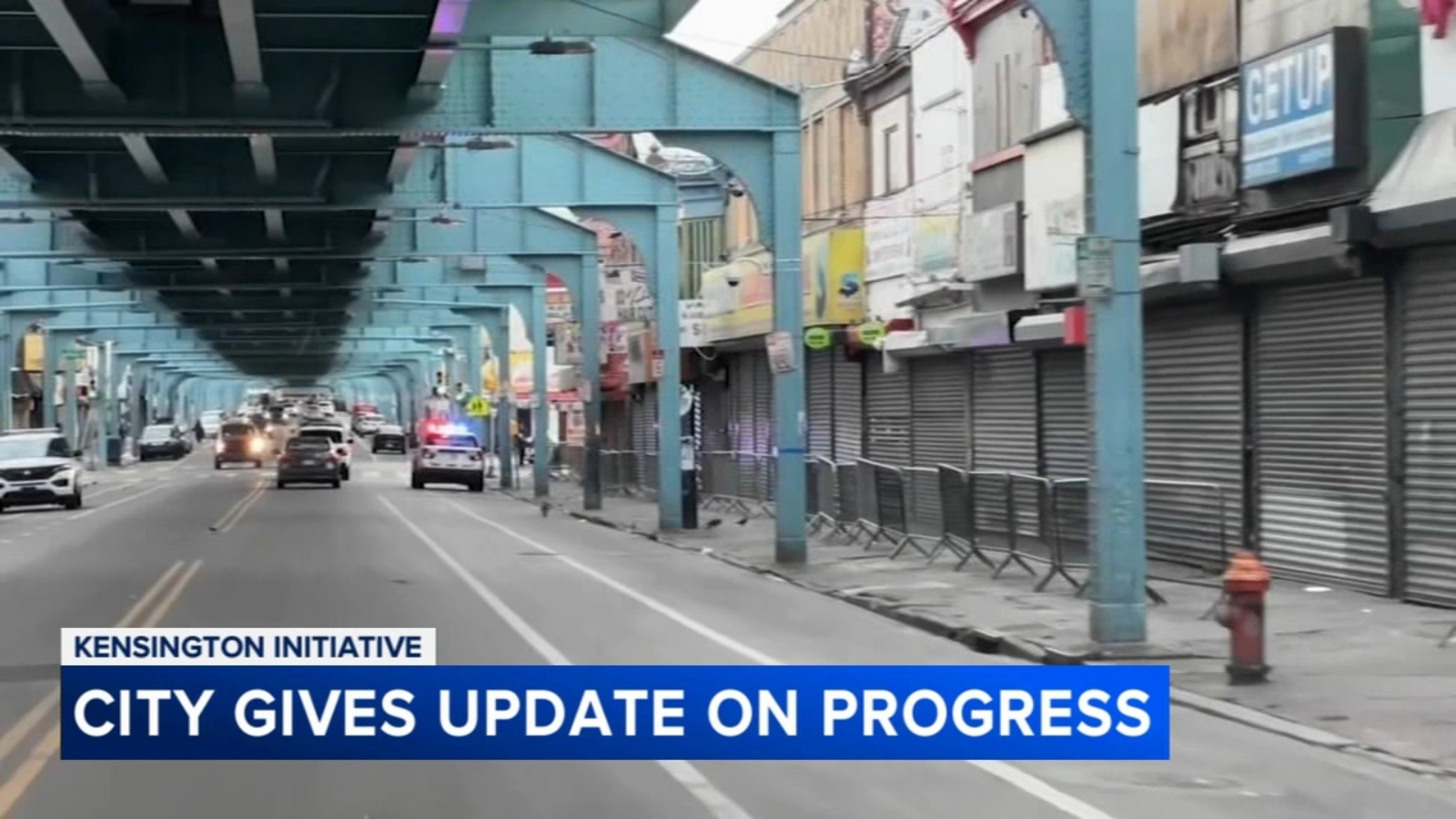
Philadelphia’s Kensington neighborhood has long been associated with some of the most persistent urban challenges in the country, but recent data suggests a turning point. Officials are reporting that kensington crime reduction efforts under Mayor Cherelle Parker’s targeted initiative have produced measurable results during the program’s first year. With homicides down by 45% and shooting incidents reduced by 44%, the neighborhood often labeled the epicenter of the opioid epidemic is showing signs of meaningful transformation. While authorities acknowledge the fight is far from over, the numbers represent a significant milestone in one of America’s most closely watched public safety campaigns.
Inside Mayor Parker’s Kensington Initiative
The Kensington Initiative represents a deliberate, focused approach to public safety in one of Philadelphia’s most underserved communities. Launched by Mayor Cherelle Parker, the program concentrates resources, personnel, and innovative strategies on a neighborhood that has struggled with overlapping crises of addiction, poverty, and violence for decades.
Deputy Commissioner Pedro Rosario, who has played a central role in outlining the initiative’s progress, emphasized that the strategy goes beyond simple law enforcement tactics. The program reflects a broader philosophy about how police departments can engage with communities experiencing concentrated cycles of crime. Rather than treating Kensington as a zone to patrol from a distance, officials have reimagined the relationship between officers and the neighborhoods they serve.
“Understanding that our foot beats,walking, meeting, speaking with the business owners, speaking with the community residents,was one of our best assets in really trying to address the problems that are plaguing this area,” Rosario explained during a recent presentation. His comments underscore a fundamental shift in policing philosophy that has defined the initiative’s first year.
Impressive Crime Statistics Mark First Year Milestones
The most striking aspect of the Kensington Initiative’s first year is the scale of the statistical improvements. Philadelphia police are reporting substantial gains across multiple categories of violent crime:
- Homicides decreased by 45% , a dramatic reduction in a neighborhood where gun violence has historically claimed lives at alarming rates.
- Shooting incidents dropped by 44% , suggesting that prevention efforts are taking hold before bullets ever fly.
- Over 330 firearms recovered , removing weapons from circulation before they could be used in additional crimes.
- More than $40.7 million in narcotics seized , striking a major financial blow to the open-air drug markets that have defined the area.
These figures represent more than just numbers on a spreadsheet. They translate into families who didn’t lose loved ones, business owners who felt safe enough to keep their doors open, and residents who experienced fewer sleepless nights punctuated by gunfire. The combined effect of these interventions paints a picture of a neighborhood slowly reclaiming its identity from the forces that have overshadowed it for years.
For a community that has long been described in the national media as the “epicenter of the opioid epidemic,” these results carry particular significance. While addiction remains a serious and ongoing concern, the violent crime that has accompanied the drug trade appears to be responding to coordinated intervention.
The Power of Walking the Beat
One of the most tangible shifts in the Kensington Initiative has been the return to foot patrols. Rather than patrolling primarily from squad cars, officers are now embedded directly into the community, walking the streets and forming relationships with the people who live and work there.
Why Foot Patrols Matter
This isn’t a nostalgic throwback to older policing models. Research has consistently shown that community-oriented policing strategies can build trust, improve intelligence gathering, and create environments where crime becomes harder to commit. When officers know the shop owners on their beat and recognize regular residents, they become part of the social fabric rather than distant figures rolling through in cruisers.
The benefits work in multiple directions. Residents gain a familiar face to approach with concerns. Officers gain valuable on-the-ground intelligence about emerging problems. And potential offenders face a more attentive, engaged police presence that is harder to evade or ignore.
“We had to really look at ourselves and figure out how we were going to address the unique needs of the community in Kensington,” one official noted during the presentation, highlighting the customized approach that distinguishes this initiative from one-size-fits-all crime reduction programs.
Drone Technology Adds New Eyes in the Sky
In a move that signals how the Kensington Initiative blends traditional community policing with cutting-edge technology, Philadelphia police began piloting a drone program in October. The program, which is set to expand into Kensington, represents a significant operational enhancement for responding to emergencies.
Rapid Aerial Response
The drone program allows the department to have eyes on the scene of a 911 call within 30 seconds to two minutes. This capability fundamentally changes the dynamics of emergency response in a neighborhood where seconds can mean the difference between life and death.
When a 911 call comes in, dispatchers can now deploy a drone to the location almost immediately, providing real-time visual information to officers en route. This allows responding units to:
- Assess the situation before arrival
- Identify potential threats or hazards
- Locate suspects who may have fled the scene
- Provide medical teams with critical information about patient conditions
- Coordinate more effective and safer responses
The integration of drone technology with traditional foot patrols represents a hybrid approach that maximizes the strengths of both methods. Officers on the ground maintain the human connections that build trust, while drones provide the rapid situational awareness that modern policing increasingly demands.
Challenges and the Road Ahead
Despite the impressive first-year results, Philadelphia leaders are quick to acknowledge that the work is far from complete. A 45% reduction in homicides represents significant progress, but it does not mean the problem has been solved. Kensington continues to grapple with deep-rooted challenges that cannot be addressed by law enforcement alone.
The opioid epidemic that defines much of Kensington’s struggles requires sustained investment in treatment, harm reduction, and long-term recovery support. While reducing violent crime creates safer conditions for these interventions to succeed, the underlying addiction crisis demands its own comprehensive response.
Additionally, sustaining the gains made during the first year will require continued community engagement, adequate funding, and political will to maintain the focused attention that has produced these results. Crime reduction is rarely a straight line, and vigilance will be necessary to prevent backsliding.
Community Buy-In Remains Essential
One of the most promising aspects of the Kensington Initiative is its emphasis on relationships. By prioritizing connections with business owners and residents, the program has built a foundation of community support that could prove essential in maintaining progress over the long term. Public safety strategies that emerge from genuine partnerships tend to be more durable than those imposed from above.
A Model for Urban Crime Reduction
The Kensington Initiative is drawing attention from public safety officials in other cities who face similar challenges. The combination of focused resource deployment, community-oriented foot patrols, strategic technology adoption, and aggressive enforcement against illegal firearms and narcotics offers a template that could be adapted to other neighborhoods and municipalities.
While every community has unique characteristics, the underlying principles,knowing the neighborhood, building trust, using technology wisely, and maintaining sustained focus,have broad applicability. Philadelphia’s experience in Kensington may well inform crime reduction strategies in cities across the country for years to come.
Conclusion
The first year of Philadelphia’s Kensington Initiative has delivered results that would have seemed unlikely just a short time ago. With homicides down 45%, shooting incidents reduced 44%, hundreds of firearms removed from circulation, and tens of millions of dollars in narcotics seized, the program has demonstrated that focused, sustained effort can produce meaningful change even in the most challenging environments. The combination of traditional foot patrols that build community trust and innovative drone technology that enhances emergency response shows how modern policing can honor time-tested principles while embracing new tools. Though significant challenges remain,particularly the ongoing opioid crisis and the hard work of sustaining progress,the Kensington Initiative offers genuine hope that one of America’s most troubled neighborhoods is on a path toward lasting transformation. The residents and business owners of Kensington deserve nothing less than the continued commitment that has produced these encouraging early results.