
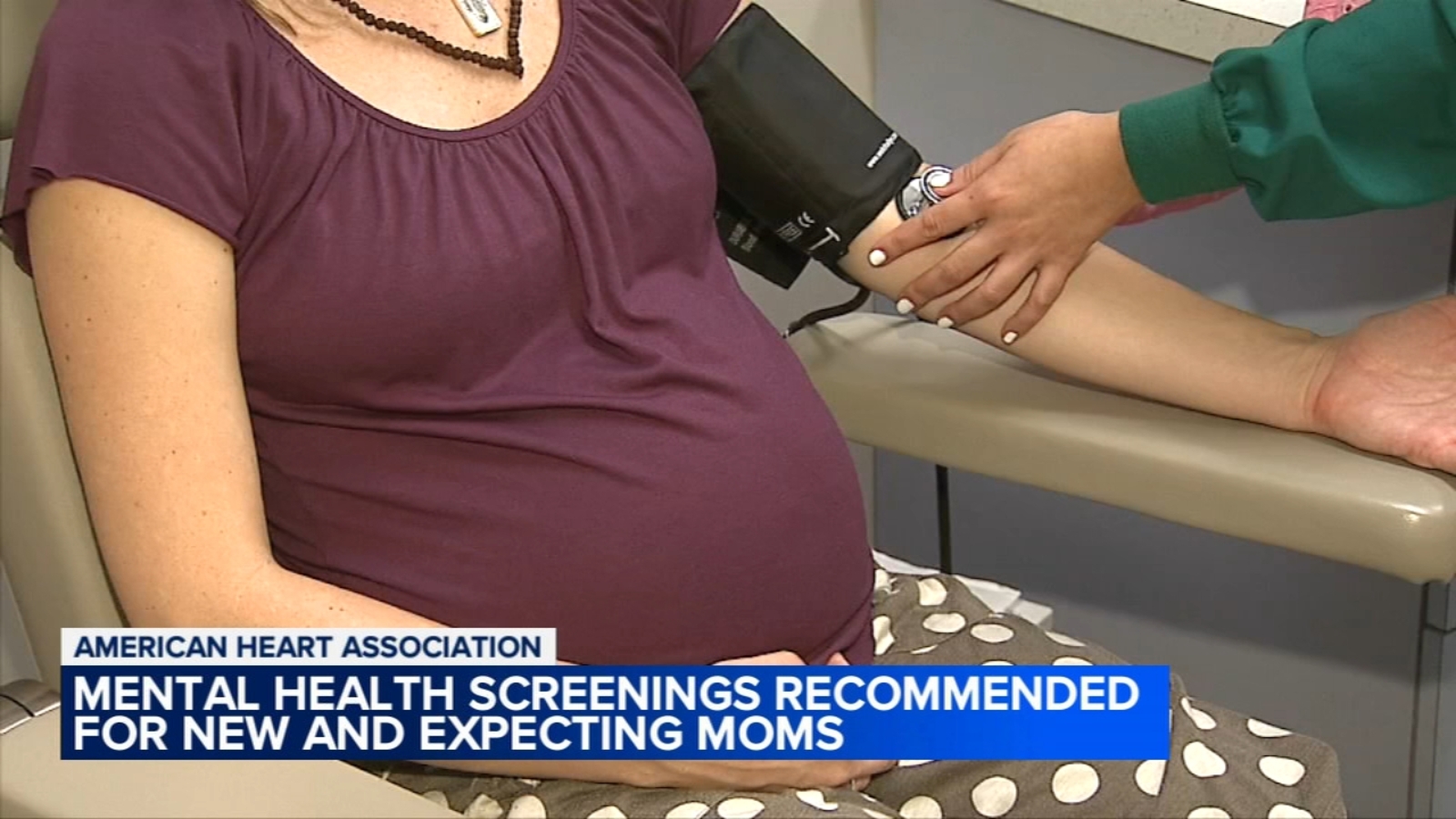
The American Heart Association has issued groundbreaking maternal mental health screening recommendations that are reshaping how hospitals and healthcare providers approach care during pregnancy and the postpartum period. For the first time, the AHA is urging clinicians to formally screen new and expecting mothers for depression and anxiety,not just as a matter of emotional wellness, but as a critical component of cardiovascular health.
This shift represents a powerful acknowledgment that mental health and heart health are deeply intertwined, particularly during the vulnerable window of pregnancy and the first year after delivery. The new guidance calls for systematic maternal mental health screening during pregnancy and up to one year postpartum, with the goal of catching psychological conditions before they escalate into life-threatening complications.
The Link Between Mental Health and Maternal Mortality
It’s a sobering reality: psychological conditions during pregnancy and the postpartum period rank among the leading causes of maternal death in the United States. While many people associate maternal mortality with physical complications like hemorrhage or preeclampsia, mental health crises,including suicide and overdose,account for a significant and growing share of pregnancy-related deaths.
The AHA’s recommendations spotlight this often-overlooked connection. Depression and anxiety during the perinatal period aren’t just emotional struggles,they have been clinically linked to:
- Long-term cardiovascular problems in mothers
- Increased risk of pregnancy complications, including preeclampsia and gestational hypertension
- Higher rates of preterm birth and low birth weight
- Elevated risk of ischemic heart disease later in life
By prioritizing perinatal mental health as a cardiovascular issue, the AHA is reframing how the medical community understands the full scope of risks facing new and expecting mothers.
What the New AHA Recommendations Actually Say
Who Should Be Screened
The recommendations are broad and inclusive. Every pregnant person and every new mother should be screened for depression and anxiety,not just those who appear to be struggling or who have a known history of mental health conditions. This universal approach is crucial because mood and anxiety disorders can emerge in women with no prior risk factors, particularly in the hormonal and life-disrupting context of pregnancy and early motherhood.
When Screening Should Occur
According to the AHA, maternal mental health screening should take place at multiple touchpoints:
- During pregnancy,at least once per trimester is ideal, integrated into routine prenatal visits
- In the immediate postpartum period,before hospital discharge and at the standard six-week follow-up
- Up to one year after delivery,recognizing that postpartum depression and postpartum anxiety can develop months after birth
How Screening Should Be Conducted
The AHA advocates for the use of validated screening tools administered by trained healthcare providers. Common instruments include the Edinburgh Postnatal Depression Scale (EPDS) and the Patient Health Questionnaire (PHQ-9), both of which are widely used and evidence-based for detecting postpartum depression and related conditions.
Screening should be paired with clear pathways to treatment when positive results emerge. Simply identifying a problem without offering solutions falls short of the AHA’s vision for comprehensive care.
Why Heart Health and Mental Health Are Inseparable
One of the most important messages embedded in these recommendations is the physiological connection between psychological distress and cardiovascular function. Chronic stress, depression, and anxiety trigger sustained inflammatory responses, elevate cortisol levels, and contribute to endothelial dysfunction,all of which damage the cardiovascular system over time.
For pregnant women, these effects are amplified. Pregnancy already places significant demands on the heart and circulatory system. When perinatal depression or postpartum anxiety is layered on top, the risk of complications multiply. Research has shown that women who experience depression during or after pregnancy face higher rates of:
- Hypertensive disorders of pregnancy
- Cardiac arrhythmias
- Venous thromboembolism
- Future coronary artery disease
The AHA’s framing makes it clear: addressing maternal mental health is not optional or secondary. It is a cardiovascular intervention that can save lives.
The Ripple Effect: How Maternal Mental Health Shapes Infant Outcomes
The benefits of early identification and treatment extend beyond the mother herself. Untreated maternal depression and anxiety have well-documented effects on infant development, including:
- Disrupted bonding and attachment
- Increased risk of developmental delays
- Higher likelihood of behavioral and emotional problems in childhood
- Reduced rates of breastfeeding and routine pediatric care
By implementing thorough maternal mental health screening, healthcare providers aren’t only protecting mothers,they’re investing in the long-term health and wellbeing of the entire family unit. Early treatment of maternal mental health conditions has been shown to improve birth outcomes, strengthen mother-infant bonding, and create healthier home environments.
Barriers to Effective Screening,and How to Overcome Them
Despite the clear need, implementing universal maternal mental health screening comes with real challenges:
Stigma
Many new and expecting mothers hesitate to disclose feelings of depression or anxiety, fearing judgment or concerns about being seen as unfit parents. Healthcare systems must create safe, nonjudgmental spaces where these conversations can happen openly.
Provider Training
Not all obstetricians and primary care providers feel equipped to screen for or discuss mental health concerns. The AHA’s recommendations underscore the need for enhanced provider education and integrated behavioral health resources.
Access to Treatment
Screening without accessible follow-up care creates a treatment gap. The AHA calls for stronger referral networks, including partnerships with mental health specialists, social workers, and community-based support services.
Insurance and Reimbursement
Historically, reimbursement structures have not always supported comprehensive mental health screening in obstetric settings. The new recommendations add weight to ongoing advocacy for policy changes that make screening sustainable for healthcare practices.
What Expecting and New Moms Should Know
If you’re pregnant or have recently given birth, here’s what you can do in light of these new recommendations:
Be Proactive About Your Mental Health
Don’t wait for someone to ask how you’re feeling emotionally. Bring it up at your prenatal and postpartum appointments. If your provider doesn’t routinely ask about your mental health, advocate for maternal mental health screening as part of your care plan.
Know the Signs
Familiarize yourself with the symptoms of perinatal depression and postpartum anxiety:
- Persistent sadness, emptiness, or hopelessness
- Excessive worry that feels uncontrollable
- Loss of interest in activities you once enjoyed
- Difficulty sleeping or sleeping too much
- Changes in appetite or energy levels
- Intrusive thoughts or feelings of guilt or worthlessness
- Thoughts of harming yourself or your baby
Seek Help Early
If something doesn’t feel right, reach out. Contact your healthcare provider, a mental health professional, or a support line like Postpartum Support International (1-800-944-4773). Early intervention dramatically improves outcomes for both mothers and babies.
Build Your Support Network
Mental health challenges thrive in isolation. Connect with other new parents, lean on family and friends, and don’t hesitate to accept help. A strong support system is one of the most powerful protective factors against postpartum depression and anxiety.
A New Era in Maternal Care
The American Heart Association’s new maternal mental health screening recommendations mark a pivotal moment in how we approach pregnancy and postpartum care. By recognizing mental health as inseparable from cardiovascular health, the AHA is pushing the entire medical community toward a more holistic, proactive model of care,one that sees the whole woman, not just her physical symptoms.
For too long, maternal mental health has been treated as a secondary concern, addressed only when crises emerged. These recommendations challenge that paradigm. Routine, universal screening has the potential to identify struggling mothers early, connect them with life-changing treatment, and ultimately reduce the unacceptably high rate of maternal mortality in the United States.
The path forward requires commitment from healthcare systems, policymakers, providers, and communities alike. But the destination is clear: healthier mothers, healthier babies, and a future where no parent suffers in silence during one of life’s most transformative chapters. If you or someone you love is navigating the challenges of pregnancy or new motherhood, know that help is available,and asking for it is one of the strongest things you can do for both yourself and your child.