
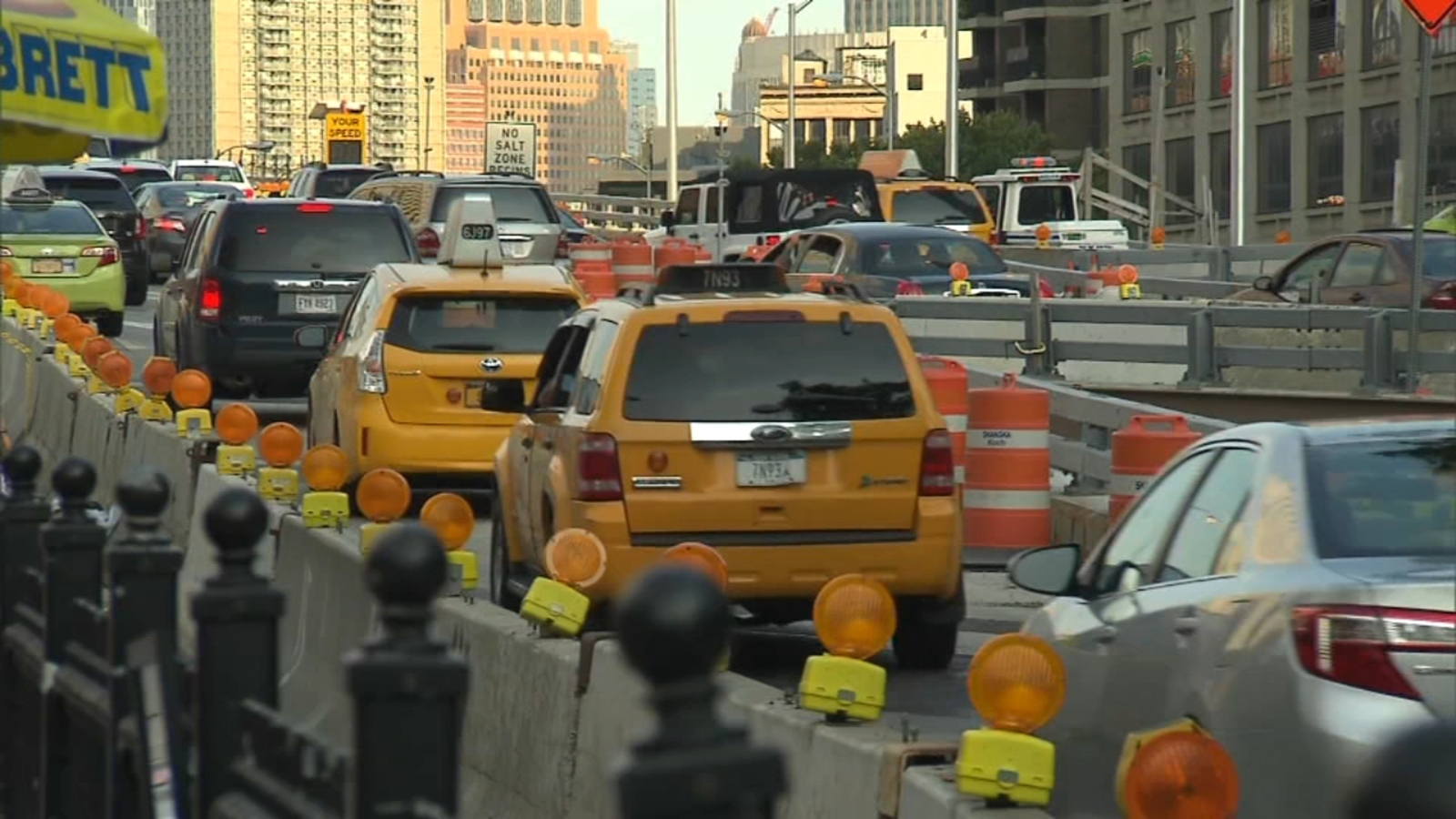
The NYC congestion pricing toll program has burst onto the transportation funding scene with a remarkable first-month performance, generating nearly $50 million in revenue since its launch. The Metropolitan Transportation Authority (MTA) announced the figures, providing the first concrete look at how the nation’s first-of-its-kind urban tolling system is performing in practice. The numbers suggest the program is off to a strong start, even as it faces significant political headwinds and an ongoing legal battle over its very existence.
First-Month Revenue Figures Exceed Expectations
According to the MTA, the NYC congestion pricing toll brought in approximately $50 million during its inaugural month of operation. Passenger vehicles accounted for roughly 68% of that revenue, indicating that everyday drivers,not commercial trucks or buses,make up the majority of those paying to enter Manhattan’s busiest business district.
This breakdown is significant because it reveals who the program is actually impacting most. Critics had predicted that commercial vehicles would dominate the toll-paying traffic, potentially raising costs for businesses that rely on deliveries. The actual distribution suggests that personal vehicle drivers are absorbing the brunt of the new charge, which carries important political and economic implications.
For a program that began operations just weeks ago, collecting tens of millions of dollars represents a substantial vote of confidence from the tolling infrastructure. The automated cameras and sensors installed throughout the congestion zone appear to be functioning effectively, capturing vehicles and processing payments with impressive efficiency.
How the Manhattan Congestion Pricing Program Works
The NYC congestion pricing toll operates on a straightforward premise: drivers pay $9 to enter the most congested parts of Manhattan during designated hours. The toll zone encompasses the bustling commercial heart of New York City, an area that has historically struggled with gridlock, air pollution, and aging transit infrastructure.
The $9 fee applies to passenger vehicles entering the zone, with different rates typically applying to trucks and motorcycles depending on the time of day. The structure is designed to discourage non-essential vehicle trips while generating revenue for the MTA’s capital improvement projects, particularly the long-awaited modernization of the city’s subway and bus systems.
Critics argue that the toll disproportionately affects working-class commuters from outer boroughs and New Jersey suburbs who have no viable transit alternatives. Supporters counter that the revenue generated will fund critical transit improvements that will ultimately benefit those same commuters.
Who Pays the Congestion Toll?
- Passenger vehicle drivers entering Manhattan’s central business district
- Commercial trucks making deliveries within the zone
- Rideshare and taxi passengers through surcharges on rides originating in the zone
- Tourists and visitors driving into the city for sightseeing or business
Notably, some vehicles are exempt from the toll, including emergency vehicles, certain buses, and vehicles transporting people with disabilities. The MTA has worked to balance revenue generation with equity considerations, though these carve-outs remain a point of contention among policymakers.
Annual Revenue Projections Point to $500 Million
Based on the first-month performance, the MTA estimates that the congestion pricing revenue program could generate approximately $500 million over its first full year of operation. If the monthly average holds steady, this projection appears conservative,$50 million monthly would translate to roughly $600 million annually.
The $500 million figure is significant for several reasons. It represents a substantial new revenue stream for a transit agency that has long struggled with funding gaps and infrastructure backlogs. The MTA has committed to using congestion pricing funds for capital projects, including signal modernization, new subway cars, and accessibility improvements at stations.
For commuters who have endured years of service disruptions, delays, and aging infrastructure, this revenue could translate into tangible improvements. The MTA’s capital plan depends heavily on these new funds to maintain its ambitious timeline for system upgrades.
Political Opposition and the Federal Reversal
Despite the strong financial start, the NYC congestion pricing toll faces an uncertain future due to political opposition at the highest levels of government. The U.S. Department of Transportation recently pulled its approval of the program following a federal review requested by President Trump, whose primary residence at Trump Tower sits squarely within the congestion zone.
The decision represents a dramatic reversal for a program that received initial federal approval before launching. The DOT’s action has thrown the future of congestion pricing into legal limbo, even as tolls continue to be collected from drivers entering Manhattan.
President Trump has been a vocal critic of the toll, arguing that it unfairly burdens commuters and businesses. The location of Trump Tower in the heart of the congestion zone has not gone unnoticed by political observers, though the administration frames its opposition in terms of federal overreach and the impact on working-class drivers.
New Jersey Joins the Opposition
New Jersey Governor Phil Murphy has emerged as another prominent opponent of the NYC congestion pricing toll. Governor Murphy has consistently argued that the toll amounts to taxation without representation for New Jersey residents who commute into Manhattan for work but have no vote in New York City or State decisions.
New Jersey has previously filed legal challenges against the program, contending that the toll requires federal environmental review and approval that was not properly obtained. The state’s opposition reflects broader concerns among suburban commuters who feel disproportionately affected by the new fee.
The coalition of opposition,from federal officials to neighboring state leaders,creates a complex political environment for a program that has otherwise performed well operationally and financially in its opening weeks.
The MTA’s Federal Court Challenge
In response to the Department of Transportation’s decision to revoke approval, the MTA has filed a challenge in federal court to reverse the action. The legal battle will determine whether the NYC congestion pricing toll can continue operating in its current form or whether the program will need to be suspended, modified, or shut down entirely.
The MTA’s lawsuit argues that the DOT exceeded its authority in rescinding approval and that the revocation process did not follow proper administrative procedures. The agency is asking the court to restore the program’s federal authorization, allowing toll collection to continue without interruption.
This federal court challenge represents a critical juncture for the program. A ruling in favor of the MTA would cement congestion pricing as a permanent feature of Manhattan’s transportation landscape. A ruling against the agency could force the program to halt operations, leaving questions about refunds, revenue allocation, and the future of the transit improvements funded by the toll.
Broader Implications for Urban Tolling
The legal fight extends beyond New York City. Other major American cities,including Los Angeles, San Francisco, and Chicago,have studied congestion pricing as a potential tool for reducing traffic and funding transit. The outcome of the MTA’s federal court challenge will likely influence whether other urban areas pursue similar programs.
If the NYC congestion pricing toll survives the legal challenge, it could become a model for cities nationwide seeking innovative solutions to traffic congestion and transit funding shortfalls. If the program is struck down, it may discourage other municipalities from attempting similar initiatives, at least until the political and legal landscape shifts.
What Happens Next for NYC Drivers and Commuters?
For the millions of drivers and commuters affected by the NYC congestion pricing toll, the immediate future remains unclear. The MTA continues to collect tolls while the federal court challenge proceeds, but the program’s long-term status hangs in the balance.
Commuters should continue to expect the $9 toll when driving into Manhattan’s congestion zone, at least until the courts issue a definitive ruling. Those who regularly travel into the area should consider alternatives, including public transit, carpooling, or adjusting travel times outside peak congestion pricing hours if possible.
Businesses that rely on vehicle deliveries within the zone are closely watching the legal proceedings, as the outcome will affect their operating costs and logistics planning. The tourism industry also has a stake in the program’s future, given the toll’s impact on visitors driving into Manhattan.
Conclusion
The NYC congestion pricing toll has demonstrated remarkable financial performance in its first month, generating nearly $50 million in revenue and projecting approximately $500 million annually. The program’s strong start suggests it could serve as a powerful tool for funding transit improvements and managing traffic congestion in one of America’s busiest urban centers. However, the program faces significant challenges ahead, including a federal court battle over its very authorization and vocal opposition from political leaders on both the federal and state levels. The coming months will determine whether this ambitious experiment in urban transportation policy becomes a lasting fixture of New York City’s infrastructure or remains a brief chapter in the ongoing debate over how cities should manage congestion, fund transit, and balance the needs of drivers, commuters, and businesses. For now, the tolls continue to be collected, the cameras continue to click, and the legal arguments continue to mount in courtrooms far from the busy streets of Midtown Manhattan.