
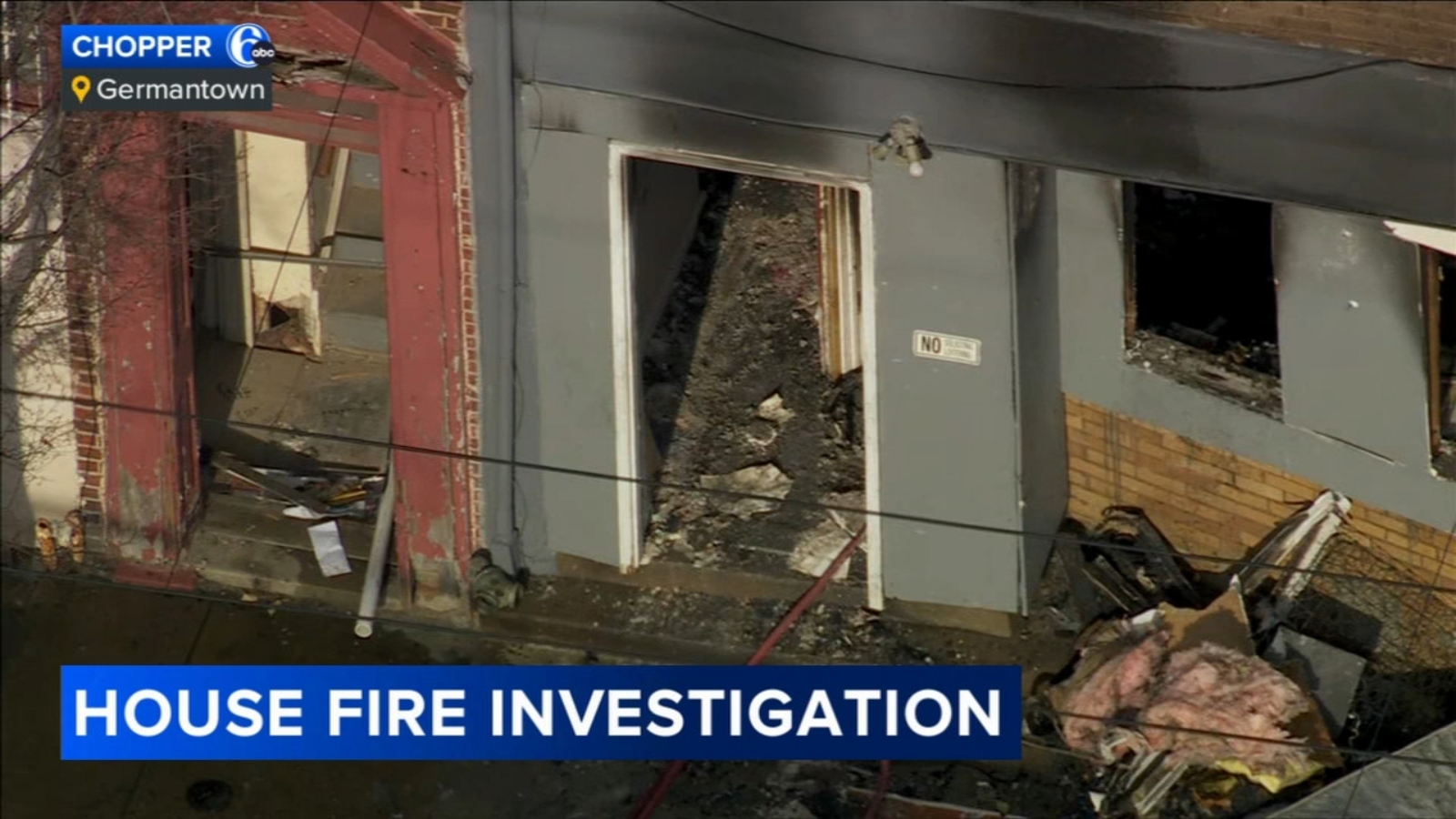
A house fire caused significant damage to a two-story residence on Queen Lane in the Germantown neighborhood of Philadelphia, leaving the home severely impacted but resulting in no reported injuries. The blaze required roughly 30 minutes for local firefighters to bring under control, and aerial footage from Chopper 6 captured the aftermath once the flames had been extinguished. While the outcome could have been far worse, the incident underscores important lessons about residential fire safety, prevention, and the critical role of rapid emergency response in protecting lives and property.
What Happened at the Germantown House Fire
The fire broke out at a residence located on Queen Lane in Germantown, a historic section of northwest Philadelphia. When emergency crews arrived on the scene, they encountered a fully involved two-story home that had already sustained considerable structural damage. Firefighters worked diligently for approximately half an hour before successfully containing and extinguishing the flames.
Once the immediate danger had passed, Chopper 6 hovered over the location, providing viewers with a bird’s-eye view of the destruction. The aerial footage revealed a home that had been battered by the blaze, with visible charring and compromised structural elements. Despite the extensive damage, officials confirmed that no injuries were reported, a fact that brought relief to both first responders and the surrounding community.
Authorities also disclosed that the property had previously been cited for code violations. While investigators did not immediately link those violations to the cause of the fire, the detail raised broader questions about property oversight, maintenance standards, and how building code enforcement can play a role in preventing residential disasters.
The Speed and Dangers of Residential Fires
A house fire can become life-threatening in as little as two minutes, and a home can become fully engulfed in flames within five minutes. The Germantown incident, which took around 30 minutes to bring under control, illustrates just how rapidly fire can spread through a structure once it gains traction. Heat, smoke, and toxic gases generated by burning materials often pose greater dangers than the flames themselves.
According to fire safety research, modern homes containing synthetic furnishings, plastics, and engineered wood products tend to burn faster than older homes built with more natural materials. This faster burn rate reduces the window of time that occupants have to escape, making early detection absolutely critical.
The good news in this Germantown case is that nobody was inside when it occurred, or at the very least, everyone managed to evacuate safely before conditions became untenable. This outcome reinforces the value of having a clear, practiced escape plan and working smoke detectors on every level of a home.
Why the Property’s Code Violations Matter
The revelation that the home had been cited for violations prior to the fire adds a layer of complexity to the story. Property violations can range from minor aesthetic issues to serious safety concerns, including faulty wiring, blocked exits, improper ventilation, or the presence of hazardous materials. While it remains unclear whether any of these specific issues contributed to the ignition or spread of the fire, the situation highlights ongoing concerns about housing standards in certain Philadelphia neighborhoods.
Older neighborhoods like Germantown, which contain a significant stock of historic homes, often face unique challenges when it comes to balancing preservation with modern safety requirements. Aging electrical systems, outdated heating equipment, and deferred maintenance can all elevate the risk profile of a property. When landlords or property owners neglect these concerns, the consequences can be devastating for tenants and surrounding residents alike.
Common Property Violations Linked to Fire Risk
- Faulty or outdated wiring – one of the leading causes of residential fires nationwide.
- Blocked or inadequate exits – hampering evacuation efforts during emergencies.
- Improperly maintained heating systems – including furnaces, boilers, and space heaters.
- Missing or non-functional smoke detectors – drastically reducing early warning capability.
- Improper storage of flammable materials – increasing fuel load inside the home.
Essential Fire Prevention Tips for Every Homeowner
While no one can completely eliminate the risk of a house fire, there are concrete measures every homeowner and renter can take to dramatically reduce the likelihood of one occurring in their residence.
1. Install and Maintain Smoke Detectors
Smoke alarms should be installed on every level of a home, inside bedrooms, and outside sleeping areas. Test them monthly, replace batteries annually, and replace the entire unit every ten years. Working smoke detectors can reduce the risk of dying in a fire by nearly half.
2. Never Leave Cooking Unattended
Cooking remains the leading cause of house fires in the United States. Stay in the kitchen while frying, grilling, or broiling food, and keep a lid nearby to smother any flames that might erupt from grease.
3. Use Heating Equipment Safely
Space heaters should be kept at least three feet away from anything flammable. Never use an oven to heat a home, and ensure that fireplaces are cleaned and inspected annually to prevent creosote buildup and chimney fires.
3. Practice Electrical Safety
Avoid overloading outlets, replace frayed or damaged cords, and have older homes inspected by a licensed electrician. If breakers trip frequently or lights flicker, these could be warning signs of a deeper electrical issue.
5. Develop and Practice an Escape Plan
Every household should have a fire escape plan that identifies two exits from each room and a designated meeting point outside. Practice the plan at least twice a year, including during nighttime hours when visibility is reduced.
What to Do After a House Fire
For homeowners who experience a fire like the one on Queen Lane, the aftermath can be emotionally and financially overwhelming. Knowing what steps to take in the immediate aftermath can make recovery smoother and safer.
Step One: Ensure Everyone Is Safe and Accounted For
Before re-entering the property, wait for clearance from fire officials. Even after flames are out, structural damage, residual heat, and toxic fumes can pose serious risks.
Step Two: Contact Your Insurance Company
Notify your homeowner’s or renter’s insurance provider as soon as possible. Document all visible damage with photographs and videos, and keep receipts for any emergency-related expenses such as temporary lodging or clothing.
Step Three: Secure the Property
Boarding up windows, tarping damaged roofs, and changing locks can prevent theft, weather damage, and trespassing. Many fire departments and insurance companies can recommend reputable restoration contractors.
Step Four: Address Mental Health
A house fire is a traumatic experience, even when no physical injuries occur. Survivors should not hesitate to seek counseling or support, as the emotional toll can linger long after the structural damage has been repaired.
Community Response and Awareness
Incidents like the Germantown house fire often galvanize communities into taking a closer look at their own preparedness. Local fire departments frequently use such events as opportunities to remind residents about free smoke detector programs, home safety inspections, and community evacuation drills. Neighbors who witnessed the response on Queen Lane may find themselves reconsidering their own safety measures in ways they had not before.
For Philadelphia residents, the city’s fire department offers numerous resources, including fire safety education, smoke alarm installations for seniors and low-income households, and guidance on reporting property hazards. Taking advantage of these services can mean the difference between a close call and a tragedy.
Conclusion
The Germantown house fire serves as a sobering reminder of how quickly a residential property can be devastated by flames, and how fortunate outcomes depend on early detection, swift emergency response, and the absence of occupants at the most dangerous moments. With approximately 30 minutes of active firefighting required to bring the two-story home under control, the incident highlights the importance of prevention, preparation, and community awareness. Although no injuries were reported and that outcome alone is cause for relief, the property’s prior code violations raise valid questions about housing standards and the responsibilities of property owners. By investing in basic fire prevention measures,from functional smoke detectors and safe cooking habits to updated electrical systems and practiced escape plans,every household can significantly reduce its vulnerability. Fires may be unpredictable, but the steps we take before they occur are entirely within our control.