
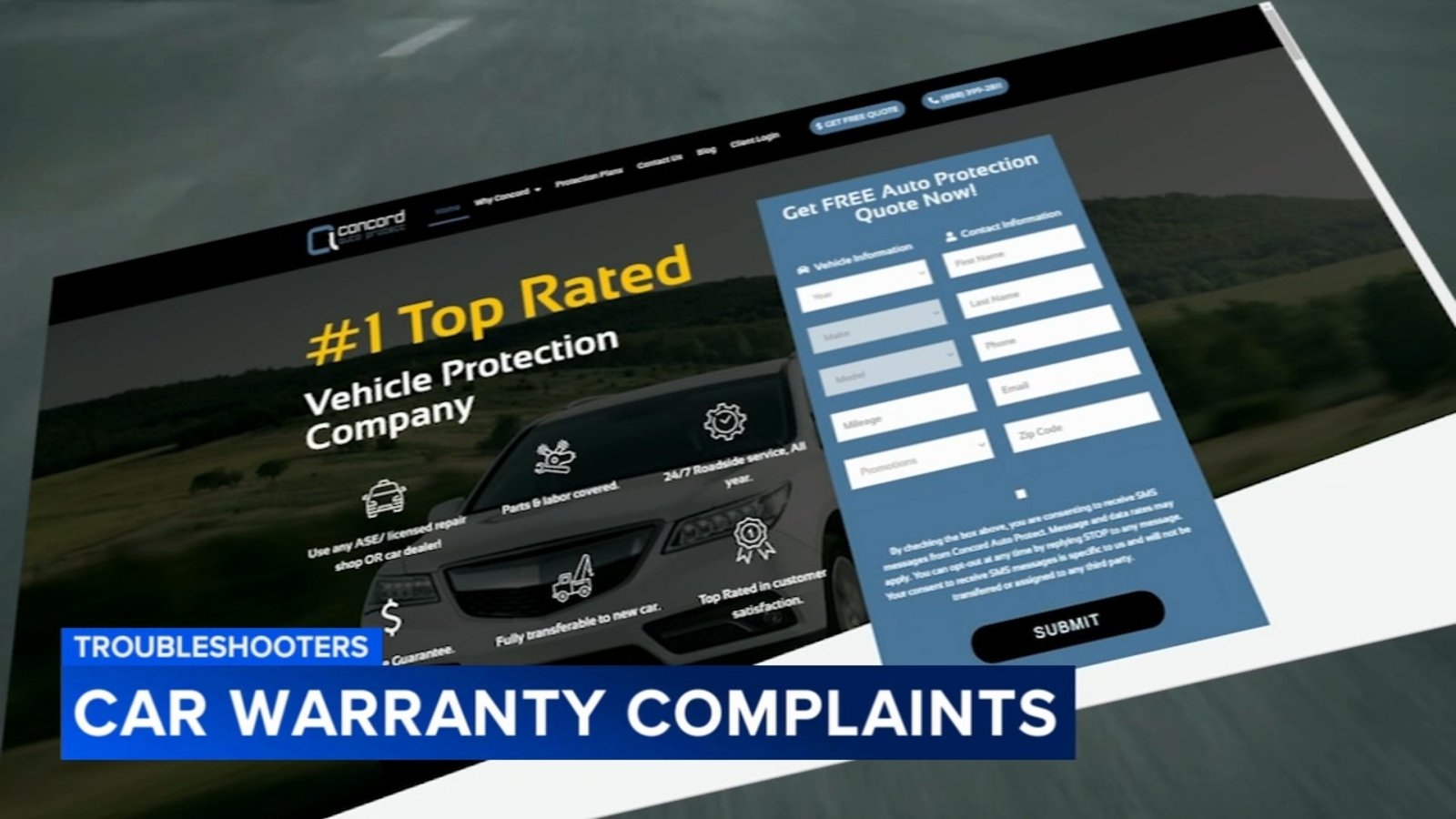
If you’re shopping for an extended vehicle warranty, you may have encountered Concord Auto Protect, Inc., a company that boldly markets itself as the “#1 Top Rated Vehicle Protection Company.” However, a recent Concord Auto Protect lawsuit filed by the Pennsylvania Attorney General has shed light on troubling allegations of fraud, denied refunds, and unpaid repair claims. With 363 consumer complaints already on record, this case has become a cautionary tale for vehicle owners across the country who are searching for reliable protection plans.
In this comprehensive breakdown, we’ll explore the details of the lawsuit, hear from one affected consumer, and provide actionable advice for anyone considering,or already dealing with,an extended auto warranty provider.
Background: Who Is Concord Auto Protect?
Concord Auto Protect, Inc. positions itself as a leading provider of aftermarket vehicle warranties, offering coverage plans designed to protect drivers from the high cost of unexpected mechanical breakdowns. The company sells these service contracts directly to consumers, promising peace of mind when factory warranties expire.
At the helm of the operation is Alon Salman, who is also known by the alias Michael Solomon. Despite the company’s polished marketing and confident branding, the reality behind the scenes appears far less reassuring. The Pennsylvania Attorney General’s office has received an overwhelming volume of complaints,363 and counting,alleging deceptive business practices and outright fraud.
The Pennsylvania Attorney General Steps In
In June, the Pennsylvania Attorney General took decisive legal action, filing a lawsuit against Concord Auto Protect and its owner. The complaint alleges that the company has engaged in a pattern of deceptive and fraudulent behavior targeting vehicle owners who trusted them with their hard-earned money.
Core Allegations in the Lawsuit
The legal filing outlines several serious accusations against the warranty company:
- Failure to pay for covered repairs: Consumers report submitting claims for mechanical issues that should be covered under their contracts, only to be denied or ignored.
- Refusal to issue refunds: Customers who cancelled their policies,or sold their vehicles,have been left waiting for refunds that never materialize.
- Evasive communication tactics: The company allegedly dodges phone calls and emails, making it nearly impossible for frustrated consumers to resolve their issues.
- Misleading business practices: From questionable office locations to unclear terms, the lawsuit suggests that consumers were systematically misled.
These allegations paint a stark contrast to the company’s self-described reputation as a top-rated industry leader.
A Consumer’s Story: Kelli McClendon’s Experience
One of the most compelling aspects of this case is the firsthand account from Kelli McClendon, a Pennsylvania consumer who shared her ordeal with local news investigators. Her experience illustrates exactly how the alleged fraud unfolds from the customer’s perspective.
McClendon purchased her warranty plan from Concord Auto Protect on November 27, 2023. She paid the full amount upfront,$2,093,to lock in a discounted rate. Being a careful consumer, she also reviewed the cancellation policy before committing. The terms indicated that if she sold her vehicle, she would be entitled to a refund for the unused portion of her coverage.
Fast forward to July 2024, when McClendon sold her vehicle. Based on the company’s stated policy, she calculated she was owed $1,436,the prorated refund for the remaining months of coverage she would no longer use. She reached out to Concord Auto Protect to initiate the refund process.
In an email response, a company representative confirmed that her refund would be processed within 7 to 10 business days. McClendon waited. Then she waited some more. The money never arrived.
“Never happened,” she said. “And I’ve called numerous times, I’ve emailed them. I look online and you see that basically a lot of people are in the same shoes that I’m in, trying to get either money for their refund or their car had broke down so they’re without a car.”
Searching for a Physical Office
Determined to find answers, McClendon decided to visit the company’s alleged office location in King of Prussia, Pennsylvania. When she called to confirm the suite number, a representative directed her to Suite 501.
What she found was shocking: the suite was completely empty. There was no signage, no lights on, and no indication that any business operated there at all. When she called back to confront the representative about the vacant space, she was told, “Oh, we’re working from home. We’re going through renovations.”
When local journalists followed up a month later, the space remained vacant.
The “Virtual” Office Controversy
When pressed by investigators, Concord Auto Protect’s attorney clarified that the company’s actual offices are located in New York,not in King of Prussia, Pennsylvania. The Pennsylvania location was described as “virtual,” meaning it serves as little more than a mailing address rather than a functional business location.
This revelation raises significant red flags. Consumers often feel more comfortable doing business with companies that have verifiable physical locations. A virtual office presence can make it exceedingly difficult for customers to seek face-to-face resolution when problems arise.
Company’s Legal Response
Concord Auto Protect has not remained silent in the face of these allegations. The company filed a formal response to the lawsuit, denying the accusations and asserting that no consumers were harmed by their business practices.
Regarding McClendon’s specific case, the company’s attorney told journalists in January that her “refund should be issued soon (next few days).” Yet, as of the latest reporting, more than a month had passed without McClendon receiving any money.
The contrast between the company’s public denials and the lived experiences of consumers like McClendon creates a troubling disconnect that the Attorney General’s lawsuit aims to address.
The Broader Pattern of Complaints
Kelli McClendon is far from alone. The 363 complaints filed with the Pennsylvania Attorney General suggest a systemic problem rather than isolated incidents. Common themes among these complaints include:
- Unresponsive customer service: Phone calls go unanswered, and emails receive only automated or delayed responses.
- Denied legitimate claims: Repairs that should clearly be covered under contract terms are rejected using fine print loopholes.
- Vanishing refund promises: Customers are repeatedly told that refunds are “processing” or “coming soon,” but the money never arrives.
- Misleading marketing: Advertising promises don’t align with actual coverage experiences.
This pattern has eroded consumer trust and prompted calls for greater accountability in the extended warranty industry.
What Consumers Should Do If Affected
The Pennsylvania Attorney General’s office is actively urging anyone who believes they may have been a victim of Concord Auto Protect’s business practices to submit a formal complaint. Here are several steps you can take if you’ve been affected:
- File a complaint with the Pennsylvania Attorney General: If you live in Pennsylvania or purchased your warranty through a Pennsylvania-based transaction, you can file directly with the AG’s consumer protection division.
- Contact your state attorney general: Even if you’re outside Pennsylvania, your state’s AG office may be able to assist or coordinate with the ongoing investigation.
- Report to the Better Business Bureau (BBB): Filing a complaint with the BBB creates a public record that warns other consumers.
- Leave online reviews: Sharing your experience on platforms like Trustpilot, Google Reviews, and social media helps other potential customers make informed decisions.
- Consult an attorney: If you’ve suffered significant financial losses, a consumer protection attorney may be able to help you pursue individual legal action.
- Document everything: Keep records of all communications, contracts, payment receipts, and promises made by the company.
How to Protect Yourself When Buying an Extended Warranty
The Concord Auto Protect lawsuit serves as a valuable lesson for anyone considering an extended vehicle warranty. Before signing any contract, keep these protective measures in mind:
- Research the company’s reputation: Search for complaints, lawsuits, and reviews before committing to any warranty provider.
- Verify the physical address: Be cautious of companies that only maintain virtual offices or P.O. boxes.
- Read the fine print carefully: Understand exclusions, deductibles, and claim procedures before purchasing.
- Avoid large upfront payments when possible: Paying monthly can reduce your risk if the company becomes unresponsive.
- Ask about cancellation and refund policies: Get these terms in writing before you buy.
- Check with your manufacturer: Factory-backed extended warranties are often more reliable than third-party options.
Looking Ahead
The Concord Auto Protect lawsuit represents an important moment in the ongoing effort to regulate the extended auto warranty industry. With hundreds of consumers allegedly harmed and significant sums of money unaccounted for, the case highlights the vulnerabilities that vehicle owners face when seeking aftermarket protection.
As the legal proceedings unfold, affected consumers like Kelli McClendon continue to advocate for accountability. “They need to be held accountable because it’s not right,” she stated,a sentiment echoed by countless others who feel they have been taken advantage of.
If you or someone you know has been affected by Concord Auto Protect, don’t stay silent. Filing complaints, sharing your story, and supporting consumer protection efforts are powerful ways to push for change. The outcome of this lawsuit could set important precedents for how extended warranty companies are held to their promises,and how consumers are protected from deceptive practices in the future.