
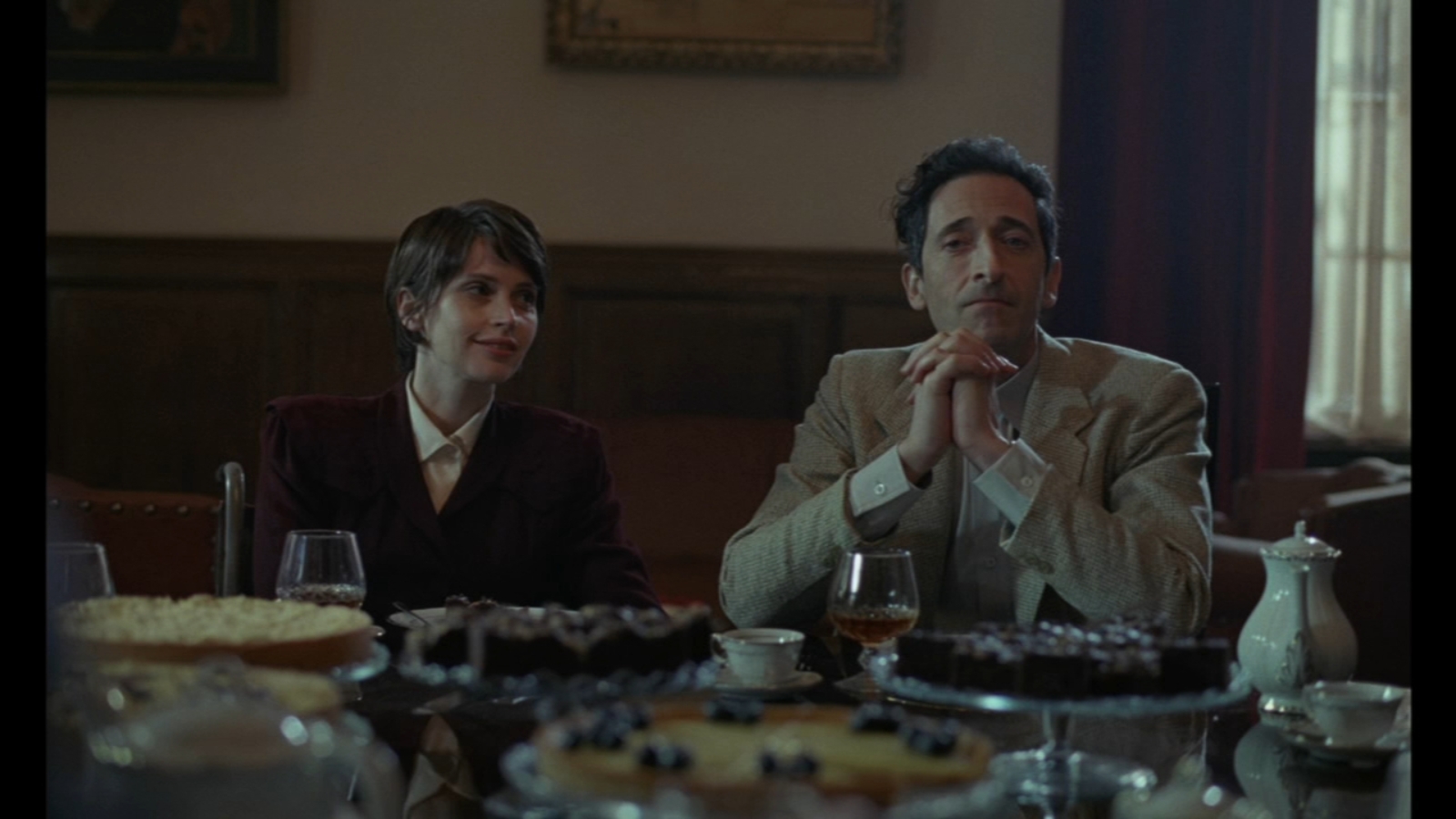
When dialect coaching in The Brutalist became part of the awards conversation, it pulled back the curtain on one of the most underappreciated crafts in filmmaking. Behind every convincing on-screen accent is a specialist who has spent years studying how language shifts across regions, generations, and lived experiences. For the 10-time Oscar nominated epic The Brutalist, that specialist was none other than Tanera Marshall, an associate professor at the University of Illinois Chicago whose work helped shape the film’s emotional authenticity. Her story offers a fascinating glimpse into the world of dialect coaching, a discipline that lives at the intersection of linguistics, psychology, and performance art.
Who Is Tanera Marshall?
Tanera Marshall wears many hats: educator, dialect coach, and cultural translator. Currently an associate professor at the University of Illinois Chicago, Marshall first arrived in the city to pursue graduate theater studies at DePaul University’s theater school. It was there that she discovered an unusual gift, namely an almost preternatural ability to mimic and analyze accents.
That talent quickly evolved into a vibrant career spanning major Hollywood productions. Her early resume reads like a roll call of prestige cinema. She contributed to Public Enemies, which filmed in Chicago with Johnny Depp and Marion Cotillard, and worked on the Hunger Games prequel Songbirds and Snakes. Both projects featured actors tackling distinctive voices, and Marshall’s coaching was instrumental in grounding those performances.
What makes her approach distinctive is her refusal to treat accents as mere phonetic exercises. To Marshall, accents are biographical. They reveal where a person grew up, who raised them, and the specific journeys that shaped their speech patterns. This philosophy has become the cornerstone of her work and one of the reasons directors trust her with their most demanding roles.
Building the Voices of “The Brutalist”
The Brutalist, a sweeping drama about a gifted Holocaust survivor who emigrates to post-war America for a fresh start, demands extraordinary linguistic precision. The film’s lead, Adrien Brody, portrays a Hungarian-Jewish immigrant whose accent must convey trauma, intelligence, and a fragile hope for the future. That performance earned Brody one of the film’s 10 Oscar nominations.
Marshall worked with Brody and the rest of the cast for months leading up to production. She described Brody as “a gentleman, a scholar, and a deep soul,” a characterization that speaks to the kind of collaborative respect that defines great dialect coaching. The work was not about stripping away the actors’ natural voices but about layering in the sound patterns of a specific cultural experience.
Marshall expressed particular pride in the boldness of the accents throughout the film. According to her, the production chose not to soften or Americanize the Hungarian-Jewish speech patterns in ways that might make them more palatable to mainstream audiences. Instead, the dialect work aimed for what she calls “very, very bold” choices that honor the specificity of the characters’ origins.
The Philosophy Behind Every Accent Choice
For Marshall, dialect coaching is fundamentally an act of cultural stewardship. She has spoken about the responsibility that comes with representing a community’s voice on screen. The goal is never to caricature a group of people or reduce their speech to a series of quirks. The goal is to find the truth in how a character would have sounded given their background, education, and life circumstances.
More Than Just Sounds
Accents, in Marshall’s framework, carry the weight of entire life stories. A person’s speech can indicate the decade they were born, the neighborhood where they were raised, the level of education they received, and even the emotional geography of their formative years. Chicago itself is a case study in accent diversity. Marshall has noted that the city contains countless distinct speech patterns influenced by migration patterns, age groups, and neighborhood histories.
She uses this kind of granular understanding to help actors embody characters fully. Rather than teaching actors to mimic sounds, she helps them understand the cultural logic behind those sounds. Why does a particular vowel shift in a particular region? What historical event triggered a change in pronunciation? How does class influence the way someone emphasizes certain syllables? These are the questions that transform surface-level mimicry into deep character work.
The Actor as Collaborator
One of Marshall’s most quoted insights concerns the relationship between the dialect coach and the actor. She believes the process should be collaborative, with the coach providing tools and the actor ultimately owning the voice. As she put it, the hope is always that the actor “makes the accent their own and finds a way to incorporate that into the inner life they’re creating for the character.”
This philosophy protects against a common pitfall in film performance: the overly mechanical accent that distracts viewers rather than immersing them. When done well, dialect work becomes invisible. Audiences should feel they are watching a real person rather than an actor performing speech patterns. Marshall’s approach prioritizes this seamlessness, which is why her work tends to feel organic rather than imposed.
The AI Controversy and What It Means for the Craft
No discussion of The Brutalist would be complete without addressing the AI controversy that erupted shortly before the Oscars. Reports revealed that artificial intelligence tools were used to refine certain words in the film’s Hungarian dialogue. The news sparked a familiar debate about the role of emerging technologies in creative industries.
For dialect coaches like Marshall, the controversy raises important questions about authenticity and craftsmanship. Marshall worked with the actors for months in person, building their pronunciation from the ground up through traditional coaching methods. She stands proudly behind the results of that human collaboration. In her view, the performance is what ultimately matters, and she believes the story transcends any single technical decision.
This tension between AI assistance and human craft will likely define the next decade of filmmaking. Marshall’s perspective offers a valuable counterpoint. The machine can polish a syllable, but only a living coach can help an actor understand why that syllable matters in the first place. The cultural intelligence, the emotional nuance, and the collaborative trust built over months of rehearsal cannot be replicated by algorithms. At least not yet.
Why Chicago Has Become a Hub for Voice Work
It is fitting that a Chicago-based dialect coach contributed so significantly to The Brutalist. The city has a long, rich history of theatrical training, with institutions like DePaul, Northwestern, and the University of Illinois Chicago producing generations of skilled performers and behind-the-scenes artists. The Chicago theater scene is known for its rigor, and that rigor extends to the technical disciplines that support performance.
Marshall’s path illustrates how the city’s training infrastructure feeds directly into Hollywood productions. Many actors who work on Chicago-filmed productions end up working with Chicago-based coaches, creating a symbiotic relationship between regional talent and major studio projects. Films like Public Enemies, the Hunger Games prequel, and The Brutalist itself all benefited from this ecosystem.
Accents as Living History
Marshall often speaks about accents as living artifacts. They preserve histories that would otherwise be lost, carrying forward pronunciations shaped by immigration, displacement, and cultural evolution. When an actor plays a Hungarian-Jewish immigrant in a post-war drama, they are participating in a chain of cultural memory. The dialect coach’s job is to make sure that chain is not broken.
She has even turned her analytical eye on colleagues. In a charming moment during her ABC7 interview, she playfully diagnosed news anchor Hosea Sanders as a “mutt” in the best sense of the word. Sanders grew up in Arkansas, then moved to Texas, California, and finally Chicago, and his speech carries traces of all those places. For Marshall, that linguistic layered quality is something to celebrate rather than flatten.
The Personal Stakes of Speech
What makes Marshall’s work resonate beyond the film industry is her emotional investment in the craft. She has spoken about loving words, loving sounds, and loving the way those sounds reveal entire lives. Her signature phrase, “our lives are in our mouths; our stories are in our accents,” captures the philosophical heart of dialect coaching. Every accent is a compressed autobiography, and honoring that autobiography is the coach’s moral responsibility.
This conviction has guided her approach to every project, from the high-stakes performances required by The Brutalist to the smaller, equally meaningful moments in independent productions. Whether working with an A-list star like Adrien Brody or coaching an emerging theater actor, Marshall brings the same rigor and the same cultural respect to the process.
The Lasting Impact of Thoughtful Dialect Work
As the 97th Academy Awards approached and The Brutalist prepared to compete across 10 categories, the spotlight on dialect coaching offered a rare moment of recognition for an often-invisible profession. Tanera Marshall’s contributions remind us that great performances do not happen in isolation. They are the product of collaboration between actors, directors, writers, and a network of specialists who refine every aspect of the storytelling.
Dialect coaching in The Brutalist exemplifies the highest standards of the craft. Months of preparation, a deep respect for cultural origins, and a collaborative spirit with the actors all contributed to creating voices that felt genuinely inhabited rather than performed. Whether or not the film ultimately takes home Oscar gold, the work Marshall and her colleagues put into those accents will continue to influence how filmmakers approach language in service of storytelling.
The takeaway for audiences, filmmakers, and aspiring artists alike is simple. Behind every memorable line of dialogue, there is often a dedicated professional who helped an actor find not just the right sound but the right soul. That is the quiet power of dialect coaching, and it deserves every bit of recognition it has begun to receive.