
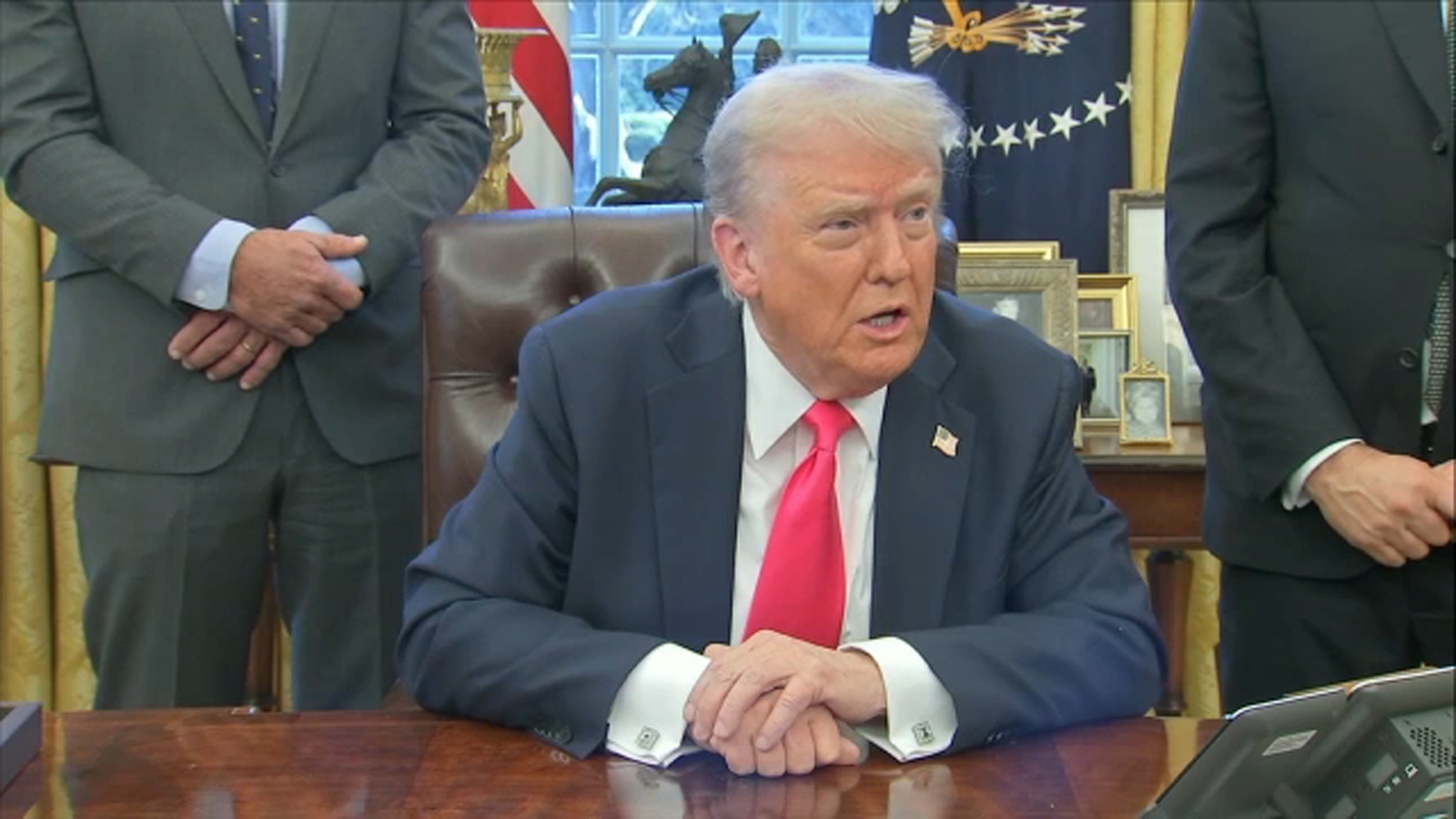
The Trump administration has unveiled an ambitious new immigration initiative that could reshape the landscape of investor-based entry into the United States. Dubbed the Trump gold card visa, this proposed program would offer wealthy foreign nationals a fast track to U.S. residency , and eventually citizenship , for a price tag of $5 million. Announced directly from the Oval Office, the proposal has already generated significant buzz among immigration attorneys, policy analysts, and international investors curious about what this premium-tier visa could mean for the future of American immigration policy.
Below, we break down everything currently known about this unprecedented program, including its potential to replace the long-standing EB-5 immigrant investor visa, the administration’s economic rationale, and the key distinctions between obtaining a pathway to citizenship and outright “buying” American citizenship.
What Is the Trump Gold Card Visa?
The trump gold card visa is being marketed as a premium upgrade to the traditional green card. According to President Trump’s announcement, the card would grant holders the same residency privileges as a standard green card while simultaneously serving as a route to U.S. citizenship. Priced at approximately $5 million, the gold card represents the most expensive immigration pathway ever proposed by a U.S. administration.
During his Oval Office remarks, Trump described the initiative as a way to attract “wealthy and successful” individuals who will “spend a lot of money and pay a lot of taxes” while “employing a lot of people.” The framing positions the program less as an immigration scheme and more as an economic stimulus package , one where foreign capital flows directly into the American economy in exchange for residency rights.
Key Features at a Glance
- Price: Approximately $5 million per card
- Privileges: Equivalent to standard green card holders
- Long-term benefit: Pathway to U.S. citizenship
- Target market: Ultra-high-net-worth individuals and corporations
- Vetting: All applicants would undergo thorough background checks
How the $5 Million Price Tag Works
The $5 million figure attached to the gold card visa is unprecedented in American immigration history. To put this in perspective, the current EB-5 immigrant investor program requires a minimum investment of $800,000 in a targeted employment area, or $1,050,000 in non-targeted areas. The proposed gold card would multiply that threshold by nearly five to ten times, placing it firmly in the realm of exclusive, ultra-premium immigration.
Commerce Secretary Howard Lutnick, who played a central role in unveiling the proposal, indicated that the revenue generated from selling gold cards could serve a dual purpose: vetting new immigrants and helping reduce the federal budget deficit. This dual mandate suggests the administration views the program as both an immigration tool and a fiscal mechanism.
Who Is Expected to Buy?
Trump has suggested that the buyers of these gold cards will largely fall into two categories:
- Individual ultra-wealthy investors seeking direct U.S. residency and a route to citizenship for themselves and their families.
- Corporations that may purchase cards on behalf of highly educated workers they wish to relocate to the United States.
This corporate angle is particularly noteworthy. By allowing companies to essentially sponsor employees through the gold card visa, the program could function as a fast-track work visa for top-tier talent , but at a price point that only the most well-capitalized firms could afford.
Replacing the EB-5 Immigrant Investor Program
Perhaps the most significant policy implication is that the Trump gold card visa could entirely replace the existing EB-5 immigrant investor program. The EB-5 visa has been a cornerstone of investor immigration since 1990, allowing foreign nationals to obtain conditional green cards through qualifying investments that create U.S. jobs.
Lutnick has indicated that the new program would launch within approximately two weeks of the announcement, suggesting an aggressive timeline for rolling out what would effectively be a complete overhaul of the investor immigration framework. If implemented as proposed, this would mark the most dramatic restructuring of investor-based immigration in decades.
How the Gold Card Differs From EB-5
- Investment threshold: $5 million vs. $800,000-$1,050,000 under EB-5
- Job creation requirement: Not specified for gold card; EB-5 mandates job creation
- Target employment areas: Eliminated under gold card proposal
- Pathway to citizenship: Explicitly included in gold card; EB-5 requires conditional residency first
Pathway to Citizenship vs. Buying Citizenship
One of the most carefully worded elements of the announcement was Trump’s insistence that the gold card visa is not a mechanism for purchasing citizenship outright. “They’ll be wealthy and they’ll be successful,” Trump stated, emphasizing that buyers would be acquiring green card privileges and a route to citizenship , not immediate naturalization.
This distinction matters legally and politically. The U.S. Constitution grants Congress , not the executive branch or private buyers , the authority to establish naturalization rules. Any program that explicitly sold citizenship would face immediate constitutional challenges. By framing the gold card as a residency privilege with an eventual citizenship pathway (subject to standard naturalization requirements such as residency duration, language proficiency, and civics knowledge), the administration appears to be navigating around these legal sensitivities.
What Citizenship Requirements Would Remain?
While the full implementation details have not been released, traditional naturalization prerequisites are expected to apply:
- Continuous U.S. residency for a specified period (typically five years for lawful permanent residents)
- English language proficiency
- Civics and history knowledge
- Good moral character assessments
- Oath of allegiance
Expected Economic Impact and Scale
Trump has projected that the United States could sell as many as one million gold cards, a staggering figure that, if realized, would inject up to $5 trillion into the U.S. economy. While this projection should be viewed as optimistic , even aspirational , it reflects the administration’s confidence in the demand from international ultra-wealthy buyers.
Potential Economic Benefits
- Direct revenue: $5 million per card sold, with minimal administrative overhead
- Tax contributions: High-net-worth immigrants typically generate substantial federal and state tax revenue
- Job creation: Wealthy immigrants often invest in U.S. businesses and real estate, creating employment opportunities
- Consumer spending: New residents contribute to local economies through housing, luxury goods, and services
Potential Concerns and Criticisms
Despite the optimistic framing, the Trump gold card visa proposal is likely to face significant scrutiny from multiple fronts:
Ethical and Equity Concerns
Critics argue that any immigration program priced at $5 million inherently favors the wealthiest applicants, raising questions about whether the U.S. should condition residency on financial capacity. Immigration advocates have historically opposed schemes that appear to commodify legal status.
National Security and Vetting
While Lutnick emphasized that applicants would be thoroughly vetted, the optics of fast-tracking wealthy individuals while traditional visa applicants face lengthy backlogs have drawn criticism from both ends of the political spectrum.
Constitutional Questions
As noted earlier, the line between a “pathway to citizenship” and “buying citizenship” is legally fragile. Lawsuits challenging the program’s structure are likely, particularly regarding the extent of executive authority in establishing naturalization-related provisions.
Timeline and Next Steps
According to Commerce Secretary Lutnick, the gold card visa program could begin accepting applications within two weeks of the announcement , an extraordinarily fast timeline for a program of this magnitude. However, given the complexity of immigration law and the likelihood of legal challenges, the actual rollout may take considerably longer.
Prospective applicants, immigration attorneys, and policy experts will be closely monitoring several key developments:
- The formal publication of program rules and eligibility criteria
- Whether the EB-5 program is officially phased out or runs in parallel
- Any congressional involvement or judicial review
- Initial application volume and processing infrastructure
Conclusion
The proposed trump gold card visa represents a bold reimagining of investor immigration in the United States. By offering a $5 million pathway to residency , and eventually citizenship , to ultra-wealthy foreign nationals and corporations, the administration aims to generate massive revenue, attract global capital, and replace the decades-old EB-5 immigrant investor program. While the economic case is straightforward, the legal, ethical, and political implications are far more complex. Whether this ambitious initiative becomes a transformative policy or a short-lived headline will depend on how quickly the legal framework can be established, how effectively it can withstand constitutional scrutiny, and whether the projected demand from wealthy international buyers materializes. For now, the gold card visa stands as one of the most provocative immigration proposals in modern American history.