
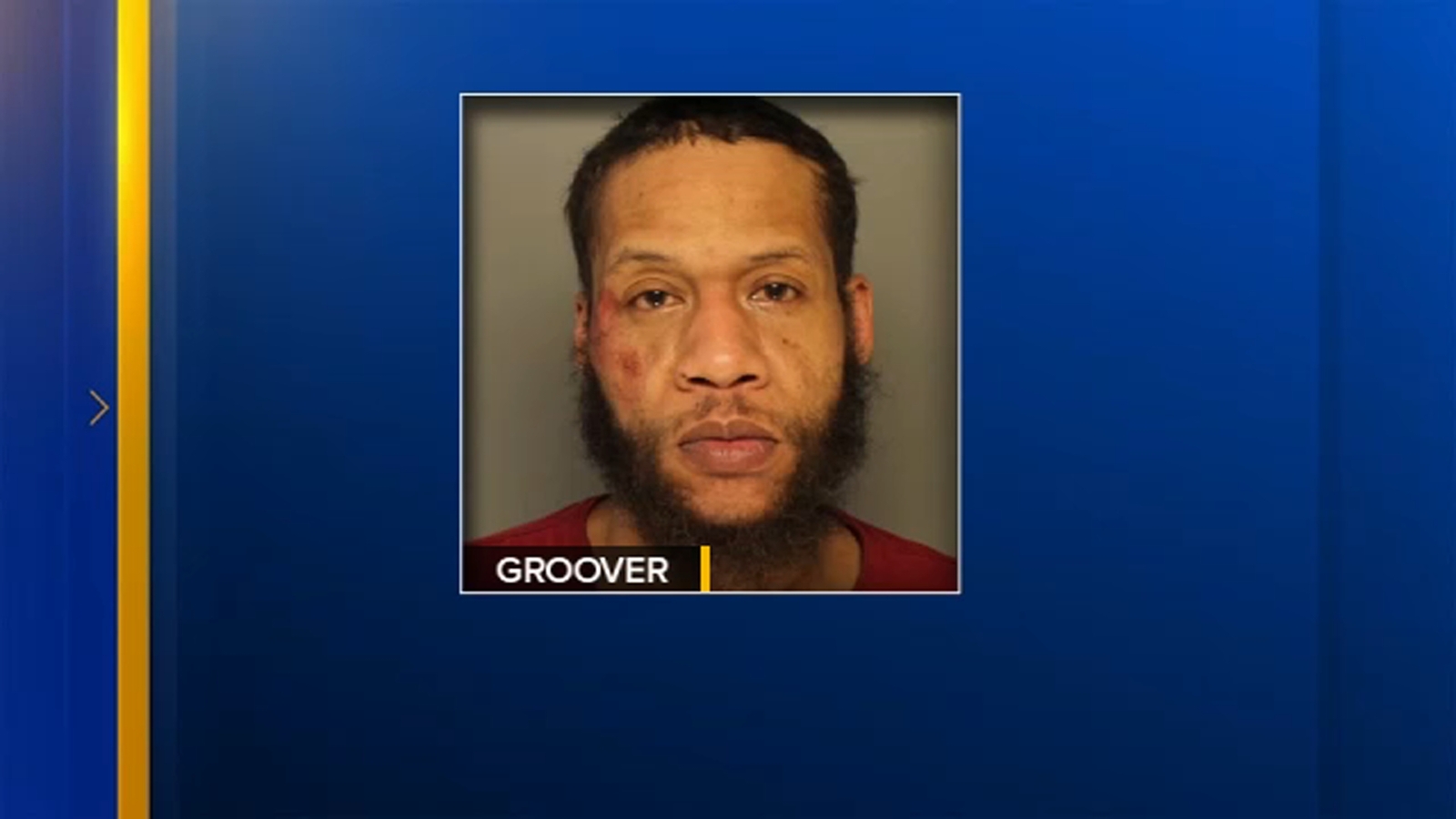
A Philadelphia man is facing serious criminal charges, including attempted murder of a police officer, after allegedly firing a weapon at a cop during a confrontation in the Germantown neighborhood. The incident, which unfolded late Monday evening, has reignited conversations about officer safety, escalating violence during routine police encounters, and the legal consequences faced by those who target law enforcement personnel.
The Initial Traffic Stop
The events began shortly after 10 p.m. on Monday in Philadelphia’s Germantown section when officers initiated what started as a routine vehicle stop in the 5800 block of Morton Street. According to authorities, the suspect, identified as 45-year-old Shahlem Groover, was operating a vehicle with expired registration plates,a violation that prompted the initial police interaction.
Traffic stops like this one are among the most common duties performed by patrol officers across the country. They serve as a critical tool for ensuring public safety, enforcing motor vehicle laws, and occasionally uncovering more serious criminal activity. However, they also represent one of the more unpredictable moments in an officer’s shift, as anything can happen once a vehicle comes to a stop.
Why Expired Plates Matter
While an expired registration may seem minor, officers are trained to remain vigilant during these encounters. Vehicles with expired plates can sometimes be linked to other criminal activity, including outstanding warrants, stolen vehicles, or contraband trafficking. Officers who stop vehicles for registration violations often use the opportunity to assess the situation, check identification, and observe any suspicious behavior.
The Fleeing Suspect
Rather than complying with the officers during the traffic stop, police say Groover chose to drive away, initiating what would become a brief but dangerous pursuit through the Germantown streets. Fleeing from law enforcement is itself a serious offense in Pennsylvania and most other jurisdictions, carrying significant penalties and frequently resulting in additional charges such as evading arrest.
Officers quickly pursued the fleeing vehicle and eventually caught up with Groover in the 300 block of Mechanic Street. At this point, the situation escalated dramatically as the suspect abandoned his vehicle and attempted to flee on foot,a tactic often employed by individuals hoping to evade capture in unfamiliar terrain.
The Foot Pursuit and Physical Struggle
An officer successfully caught up with Groover during the foot pursuit, and the two engaged in a physical confrontation. Foot pursuits are inherently dangerous for law enforcement officers, who must balance the need to apprehend suspects with personal safety concerns. The chaotic nature of these chases,through neighborhoods, across uneven terrain, and in low-light conditions,creates ample opportunity for suspects to gain the upper hand.
During the physical struggle between Groover and the pursuing officer, the alleged crime escalated from a fleeing suspect to what authorities are now calling an attempted murder of a police officer. According to investigators, Groover produced a firearm and discharged a single shot toward the officer. Fortunately for the officer involved, the round missed its intended target, sparing what could have been a tragic outcome.
Immediate Aftermath and Arrest
Following the failed attempt to strike the officer with gunfire, police were able to take Groover into custody without further incident. Notably, authorities confirmed that no shots were fired by law enforcement during the encounter, and no injuries were reported among officers, the suspect, or any bystanders.
The peaceful resolution of the standoff stands as a testament to the officer’s restraint under extreme duress. Officers who face gunfire are often justified in returning fire to protect themselves and the public, but the decision not to discharge a weapon likely reflects both the tactical circumstances of the moment and departmental protocols regarding the use of deadly force.
Additional Charges and Evidence
Beyond the most serious attempted murder of police officer charge, Groover now faces a multi-count criminal complaint that includes:
- Assault on law enforcement
- Aggravated assault
- Evading arrest
During the investigation that followed, officers also allegedly discovered narcotics inside Groover’s vehicle. This evidence likely contributed to additional charges related to drug possession, though the full extent of the controlled substance allegations has not yet been publicly disclosed.
Legal Consequences of Attacking Police Officers
The charges filed against Groover reflect the gravity with which Pennsylvania’s legal system treats violence directed at law enforcement. Attempted murder of a police officer carries some of the most severe penalties available under state law, often resulting in lengthy prison sentences upon conviction.
In Pennsylvania, specifically, the crime of attempted murder is treated as a serious felony, and when the target is a law enforcement officer acting in the line of duty, the charges are frequently enhanced. Prosecutors typically pursue these cases aggressively, recognizing both the danger posed to the individual officer and the broader threat such actions represent to public safety and the rule of law.
Aggravated Assault and Related Offenses
The accompanying charge of aggravated assault in Pennsylvania applies when a defendant attempts to cause serious bodily injury to another person, or causes such injury under circumstances showing extreme indifference to the value of human life. When combined with the attempted murder charge, prosecutors have multiple avenues to seek conviction and significant sentencing.
Assault on law enforcement, a separate charge often pursued alongside the others, specifically addresses violence or threats of violence directed at officers performing their official duties. Each of these charges carries its own potential penalties, and they can be cumulative at sentencing.
The Broader Context of Officer Safety
Incidents like the Germantown shooting serve as sobering reminders of the dangers law enforcement officers face every time they put on their uniforms. Across the country, officers are involved in millions of public contacts each year, and while the vast majority end peacefully, a small percentage,often beginning with minor infractions,escalate into violent confrontations.
Recent years have seen increased attention on officer safety training, body-worn camera technology, and tactical response procedures designed to help officers navigate these high-risk encounters. Programs focused on de-escalation, situational awareness, and pursuit policies have all evolved in response to the complex threats officers encounter on the job.
Why Routine Stops Can Become Dangerous
Criminologists and law enforcement trainers have long studied why seemingly minor police encounters sometimes turn violent. Several factors commonly contribute to these escalations:
- The presence of contraband or evidence of other crimes in the vehicle
- Outstanding warrants that create an incentive to flee
- Impairment due to alcohol or drugs
- Fear, panic, or impaired judgment in the moment
- Prior negative experiences with law enforcement
The Germantown case appears to fit this pattern: a routine stop for expired plates led to flight, a foot pursuit, a physical struggle, and ultimately an alleged shooting at an officer. The discovery of narcotics inside the vehicle suggests there may have been additional motivations for the suspect to avoid apprehension.
The Importance of Community Cooperation
While this case involves a suspect accused of violent behavior toward an officer, the broader law enforcement mission relies heavily on cooperative relationships between police and the communities they serve. The vast majority of traffic stops, even those involving violations, conclude without incident when drivers comply with officer instructions.
Resisting arrest, fleeing from police, and using weapons against officers are decisions that dramatically increase the risk of injury or death,not just for law enforcement, but for the suspects themselves and innocent bystanders who may be caught in the crossfire. Legal experts consistently note that compliance during police encounters, even when individuals believe an error has been made, is the safest course of action. Disputes can be addressed through the court system afterward.
Looking Ahead
As the case against Shahlem Groover moves through the Philadelphia criminal justice system, it will likely draw attention from prosecutors, defense attorneys, and community advocates alike. The attempted murder of a police officer charge alone ensures significant media scrutiny and substantial legal proceedings.
Court appearances, preliminary hearings, and ultimately a trial or plea agreement will determine the final outcome. Given the seriousness of the allegations, prosecutors are expected to seek a sentence that reflects both the gravity of the attempted homicide against an officer and the cumulative nature of all charges filed.
Conclusion
The Germantown incident represents the worst-case scenario that law enforcement officers train for throughout their careers: a routine traffic stop that escalates into a violent confrontation with gunfire. Thanks to the officer’s survival and the suspect’s eventual apprehension without additional injuries, the outcome of this particular case could have been far more tragic. As authorities continue their investigation and the legal process unfolds, the case stands as a powerful example of the unpredictable dangers officers face and the serious consequences that await those who commit the attempted murder of a police officer. The community can take some comfort in knowing that no lives were lost, while law enforcement professionals will continue to emphasize the importance of vigilance, training, and tactical decision-making during every public contact they make.