
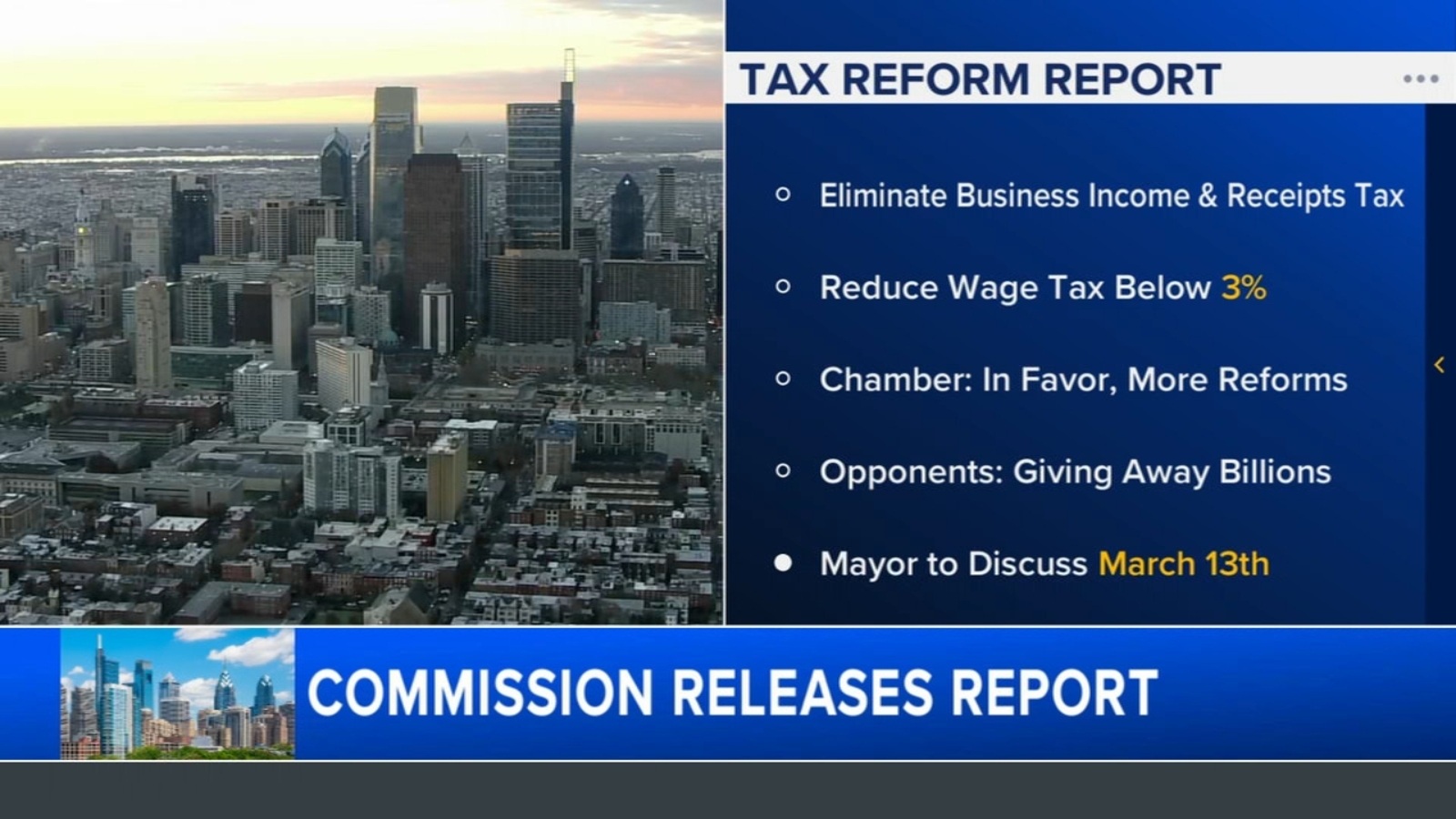
The city of Brotherly Love is on the verge of a major fiscal transformation. Philadelphia’s Tax Reform Commission has unveiled a sweeping set of recommendations that could fundamentally reshape how the city collects revenue, sparking heated debate among business leaders, policymakers, and taxpayers alike. At the heart of this philadelphia business tax reform effort are two bold proposals: the complete elimination of the Business Income and Receipts Tax (BIRT) and a reduction of the city’s wage tax below the 3% threshold.
These recommendations, detailed in the commission’s recently released report, aim to make Philadelphia more competitive with neighboring jurisdictions while simultaneously attracting new residents and businesses to the city. However, not everyone is convinced that the plan is the right path forward, and significant concerns about revenue loss and economic equity have already emerged.
The Core Recommendations Explained
The Tax Reform Commission’s report represents one of the most ambitious attempts to overhaul Philadelphia’s tax structure in recent memory. The centerpiece of the proposal is the elimination of BIRT, a tax that has long been a source of frustration for the city’s business community.
Eliminating the Business Income and Receipts Tax
BIRT has been a controversial feature of Philadelphia’s tax landscape for years. Unlike many jurisdictions that tax only corporate profits, Philadelphia’s business tax operates on a dual basis, taxing both income and gross receipts. This structure has been criticized for penalizing businesses regardless of their profitability, effectively taxing companies even when they operate at a loss.
By eliminating BIRT entirely, the commission believes Philadelphia can remove a significant barrier to business growth and expansion. Proponents argue that this move would send a powerful signal to entrepreneurs and corporations considering whether to establish or maintain operations in the city.
Cutting the Wage Tax Below 3%
The second major pillar of the reform proposal targets the wage tax, which currently sits at elevated rates for both residents and non-residents who work in Philadelphia. The commission’s recommendation to reduce this tax below 3% represents a meaningful reduction that could put more money back into the pockets of workers throughout the region.
This wage tax reduction would have a ripple effect across the metropolitan area, potentially making Philadelphia a more attractive destination for commuters who have historically been reluctant to work within city limits due to the high tax burden. For employers, a lower wage tax could make hiring and retaining talent considerably easier.
Support from the Business Community
The Greater Philadelphia Chamber of Commerce has emerged as a vocal supporter of the commission’s recommendations. However, the Chamber’s endorsement comes with a caveat: leaders there believe that even bolder reforms are necessary to truly transform the city’s competitive position.
Business advocates have long argued that Philadelphia’s tax structure places the city at a disadvantage compared to suburban communities and other major metropolitan areas. By supporting the elimination of BIRT and wage tax reductions, the Chamber hopes to create an environment where businesses can thrive and expand their workforce.
The business community’s enthusiasm reflects a broader consensus that Philadelphia’s current tax framework is unsustainable in the long term. Many employers have reported that the existing structure complicates everything from financial planning to talent acquisition, creating friction that ultimately harms the local economy.
Opposition and Revenue Concerns
Despite the business community’s support, the proposed reforms have drawn sharp criticism from the Tax Reform Advisory Committee, which represents a different perspective on the city’s fiscal future. Critics have labeled the plan a “handout to big business” that could potentially cost Philadelphia more than $2 billion in lost revenue over the next decade.
This significant revenue gap raises fundamental questions about how the city would fund essential services, including schools, infrastructure, public safety, and social programs. Philadelphia already faces substantial fiscal challenges, and losing billions in tax revenue without a clearly defined replacement plan has alarmed many observers.
The Revenue Replacement Question
Perhaps the most significant unresolved issue in the commission’s report is the question of how to offset the substantial revenue losses that would result from these reforms. Without a comprehensive plan to replace the billions in foregone tax revenue, critics argue that the proposal could lead to painful cuts in public services or significant increases in other taxes.
Reform advocates have suggested various potential revenue sources, including:
- Expanding the tax base through economic growth and new business attraction
- Modernizing property tax assessments and collection systems
- Capturing a larger share of regional economic activity
- Implementing new revenue streams tied to economic development
However, skeptics note that any of these alternatives would take years to materialize, leaving the city vulnerable to significant budget shortfalls in the interim.
Broader Economic Implications
The philadelphia business tax reform debate extends far beyond the immediate fiscal impact. The outcome of this policy discussion could shape the city’s economic trajectory for decades to come, influencing decisions about where companies locate, where workers choose to live, and how the region positions itself in an increasingly competitive national landscape.
Regional Competitiveness
Philadelphia finds itself in a unique competitive position, surrounded by lower-tax suburban communities and competing with other major East Coast cities like New York, Boston, and Washington, D.C. The city’s relatively high tax burden has been cited as a factor driving both businesses and residents to seek opportunities elsewhere.
By reducing the overall tax load on businesses and workers, proponents believe Philadelphia could reverse troubling demographic and economic trends. The city has experienced population losses in recent decades, and business leaders hope that tax reform could help stem that outflow while attracting new investment.
Impact on Small Businesses
While critics have characterized the reforms as favoring big business, the elimination of BIRT could actually provide substantial relief to small businesses and startups that have struggled under the dual tax structure. Many small business owners have long complained that BIRT’s gross receipts component creates an unfair burden, taxing them on revenue rather than actual profitability.
For new and growing businesses operating on thin margins, this distinction can be the difference between survival and failure. Reform advocates argue that eliminating BIRT would democratize the tax burden and create more equitable conditions for entrepreneurs across all sectors.
What Happens Next
Mayor Cherelle Parker’s administration has indicated that it is carefully reviewing the Tax Reform Commission’s recommendations. The mayor’s office has stated that she will address tax reform more comprehensively in her budget address scheduled for March 13, which will provide the first concrete indication of the administration’s position on these proposals.
The path from recommendation to implementation is rarely straightforward, particularly when billions of dollars in revenue are at stake. Any significant changes to Philadelphia’s tax structure would likely require approval from City Council and could face legal or procedural challenges along the way.
Stakeholders on all sides of the debate are expected to intensify their advocacy efforts in the coming weeks, presenting their case to elected officials and the public. The business community, labor groups, civic organizations, and individual taxpayers are all likely to weigh in on a decision that will affect virtually every resident and business in the city.
Conclusion
The proposal to eliminate BIRT and cut Philadelphia’s wage tax below 3% represents a bold vision for the city’s economic future. While supporters see an opportunity to revitalize Philadelphia’s competitive position and attract much-needed investment and population growth, opponents warn of substantial revenue losses and potential harm to essential public services.
As Philadelphia’s leaders grapple with these competing priorities, the outcome of this tax reform debate will likely shape the city’s trajectory for years to come. The March 13 budget address will be a critical milestone, offering the first real glimpse into how the Parker administration intends to balance the competing demands of economic competitiveness and fiscal responsibility. Regardless of which approach prevails, one thing is clear: philadelphia business tax reform has emerged as a defining issue that will demand thoughtful leadership and creative problem-solving from all stakeholders involved.